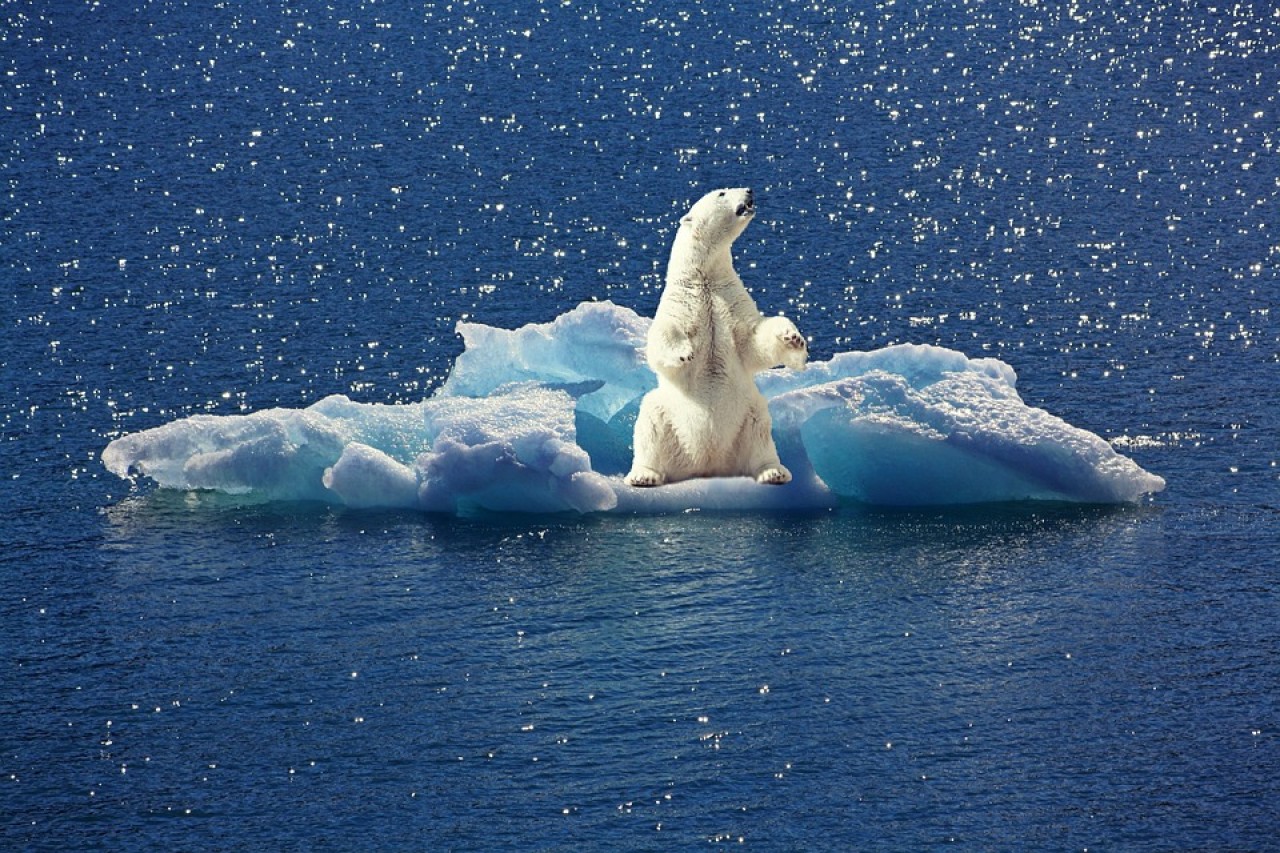
The polar bear population in Canada's western Hudson Bay has declined by 27% in just five years, according to a report.
A government report estimates that 618 animals lived in the area last year, compared to 842 in 2016.
Climate change as a driving force
According to the report, adult female bears and cubs are particularly affected, and climate change could be a factor in the decline.
The Arctic is currently warming faster than the rest of the world, and the sea ice that bears depend on for hunting seals is forming later and melting earlier each year.
By 2050, scientists say, the length of the ice-free period could push bears to the brink of starvation.
«The observed declines are consistent with long-standing predictions about the demographic impacts of climate change on polar bears,» states the report of the Canadian government.
Complex causes of the decline
At the same time, the document warns against drawing a direct link between the decline and the loss of sea ice, as good ice conditions prevailed in four of the last five years.
It points out that changes in the local seal population could be a contributing factor.
The report also refers to the migration of bears into neighbouring regions.
Churchill: «Polar Bear Capital of the World»
The mammals – the largest living land carnivores – migrate each autumn along the western shore of Hudson Bay in the province of Manitoba as they return to the sea ice.
They are the most thoroughly studied specimens in the world, and their migration draws millions of dollars in tourism to the town of Churchill in Manitoba, known as the «Polar Bear Capital of the World».
It is common for residents of the city to leave their car doors unlocked so that other people can take shelter if they encounter a wandering bear.
| You can help all animals and our planet with compassion. Choose compassion on your plate and in your glass. Go vegan. |