California: Lawsuits Against Animal Welfare Law
California bans meat from crate-confined animals. The pork industry is suing over minimum space requirements for farm animals.


A 2018 ballot initiative providing for minimum space requirements for animal husbandry is set to take effect shortly.
In January 2022, a law takes effect in California that bans the sale of meat from pigs whose mothers were confined in gestation crates.
Restaurants, grocery stores, and industry associations in California are suing the state to block an animal welfare law set to take effect on New Year's Day, which they believe will destabilise the multibillion-dollar «national pork supply chain».
They claim that the state has long delayed establishing a legal framework for these significant changes, which affect businesses across the country.
Proposition 12, approved in 2018 by three out of five California voters, requires that farm animals such as calves, chickens, and pigs must be able to lie down and turn around in the enclosures where they are confined. Businesses that fail to meet the space requirements face fines of up to $1,000 or up to 180 days in prison, according to the California Department of Food and Agriculture.
The lawsuit, filed a month ago in California Superior Court in Sacramento, states that a «discrepancy» between the law passed by voters three years ago and the way the state is implementing it will create compliance chaos across all affected industries, particularly the pork supply chain, which will face «significant disruptions» up to and including an abrupt halt to pork sales. The plaintiffs, including the California Grocers Association and the California Restaurant Association, are calling for a 28-month delay once the final regulations are adopted.
The California Department of Food and Agriculture, the agency tasked with implementing the Proposition 12 regulations, «is working to complete this process as quickly as possible while adhering to the legally required steps», said Steve Lyle, a spokesperson for the department. He said that state law does not allow for delays in the implementation of ballot initiatives.
Although the agency was still accepting public comments on the regulations in mid-December, Lyle said that none of the revisions currently under consideration would affect the «confinement standards» at the center of the debate or necessitate a postponement of the January 1 deadline.
Lyle said the agency had «many conversations» with pork producers who had already retrofitted their facilities to meet the law's minimum space requirements.
According to the National Pork Producers Council, more than 60,000 pork suppliers sell more than 115 million pigs each year, generating an estimated total gross income of more than 20 billion dollars.
In Iowa, the nation's largest pork-producing state with more than 5,400 hog farming operations, revenues totaled more than 40 billion US dollars in 2019, according to the Iowa Pork Producers Association.California is the largest consumer of pork in the country and accounts for 14 percent of total pork consumption in the United States, according to a February 2021 report by global financial services firm Rabobank. A large share of the pork comes from pig farms outside the state.
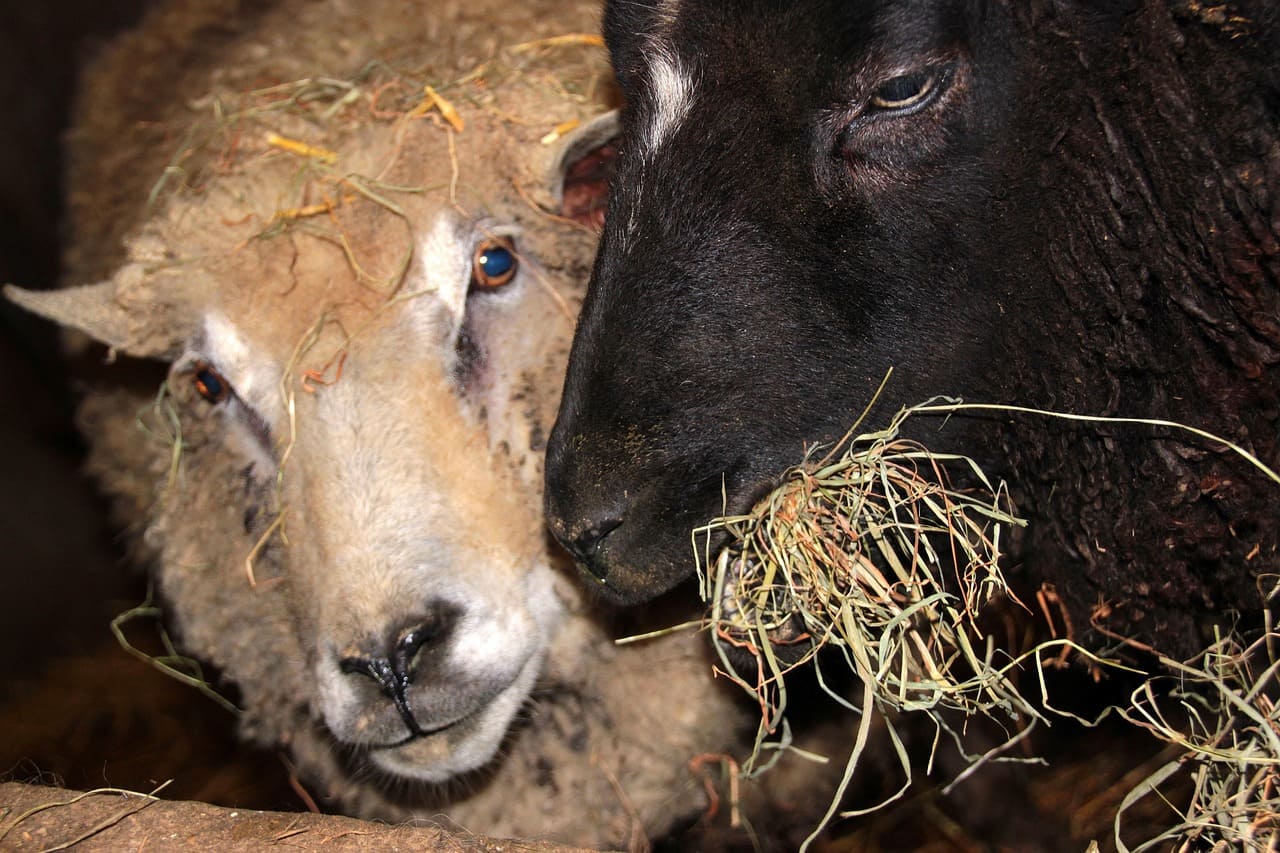
Stand up, lie down, turn around, stretch your legs: the people of the state of California believe that pregnant sows need enough space to do all of these things. To ensure that animals are kept accordingly, this wish has now been enshrined in law, just as it was previously in Massachusetts on the East Coast of the United States. Companies such as Whole Foods, McDonald's, Walmart, and 50 others have announced that in the future they will only offer or process pork from suppliers who comply with these rules.
Crate confinement is already banned in nine states. Meat from calves separated from their mothers at birth and kept in cages, as well as eggs from caged hens, may no longer be offered for sale.
State enforcement of Proposition 12 is set to begin in approximately two weeks, but «the necessary provisions to avoid liability are not in place», states the lawsuit, which claims that the pork industry did not have sufficient time to adapt its farming practices to comply with the regulations.
«This places the entire uncertainty and risks of an unfinished regulation on pork traders and end consumers», the lawsuit continues. Faced with the threat of fines for selling non-compliant pork, suppliers and companies would be placed in an «impossible» situation in the coming year: either they self-certify compliance at every point in the supply chain, or they halt pork sales until the various levels of compliance are established by the state.
As the January 1st deadline approaches, national pork corporations continue to challenge Proposition 12 as well. In Iowa, a federal judge dismissed a lawsuit in August filed by pork companies in that state, which had targeted the measure's provisions affecting out-of-state businesses.
In July, the U.S. Court of Appeals for the Ninth Circuit ruled against the National Pork Producers Council and the American Farm Bureau Federation in a similar case. The groups are now petitioning the United States Supreme Court to hear their case.
Michael Formica, legal counsel for the National Pork Producers Council, said on Monday that Proposition 12 reaches far beyond the state of California to impose regulations and restructure an industry that does not exist in California.
«All of this comes from outside the state, and they are imposing criminal penalties and truly trying to reshape the entire national pork market», said Formica.
Kitty Block, CEO of the Humane Society of the United States, a prominent supporter of the law, said in an interview that the various lawsuits against Proposition 12 were a «frivolous tactic to delay things further«.
She added that the law is not an anomaly and that it has implications for the entire country. Similar measures have been passed in several other states, such as Colorado and Nevada.
The latest lawsuit from California industry groups is a «Hail Mary pass«, she said, which — should it succeed — would «undermine the will of California's voters». Regarding the still-pending regulations, Block said that suppliers have already had three years to meet the law's minimum requirements for housing conditions — at least 24 square feet of space for breeding pigs and 144 square inches for chickens — which allow for greater freedom of movement.
«This is just a little extra space for these animals so they are not immobile their entire lives«, said Ms. Block, adding that the poultry and veal industries are already retrofitting their operations to comply with the regulations.
Animal welfare advocates and the pork industry disagree about what will happen after January 1. Some suppliers and companies believe there could be a cascade of negative consequences — a shortage of pork, a sharp rise in wholesale costs, and thus significantly higher prices for California residents.
«Ultimately, it will be California consumers who have to pay the price«, said Rachel Michelin, president of the California Retailers Association. «Either they won't be able to get the product, or they'll have to pay a lot more for it.«
Ms. Block disagrees, noting that major companies, including Perdue Farms, have announced they will be ready for Proposition 12.
«There will not be this Armageddon of delays«, she said.
The California Department of Food and Agriculture estimates that under the new law, annual food costs for each resident could rise by approximately 50 dollars, with only 10 percent of that increase attributable to spending on pork and veal.
More on the subject of recreational hunting: What the research says about this is shown by Hunting fact-checked: the state of research.
The position of IG Wild beim Wild: IG Wild beim Wild rejects recreational hunting. Our model is the canton of Geneva, which has managed without recreational hunting since 1974: without hunting seasons, without hunting dogs, without driven hunts, without high seats, without the animal cruelty and crime that go hand in hand with hunting season elsewhere. What has worked there for over fifty years disproves every position paper by JagdSchweiz. An association that bases its policy on claims it refutes in its own documents is not a professional organisation, but a factory for misinformation.