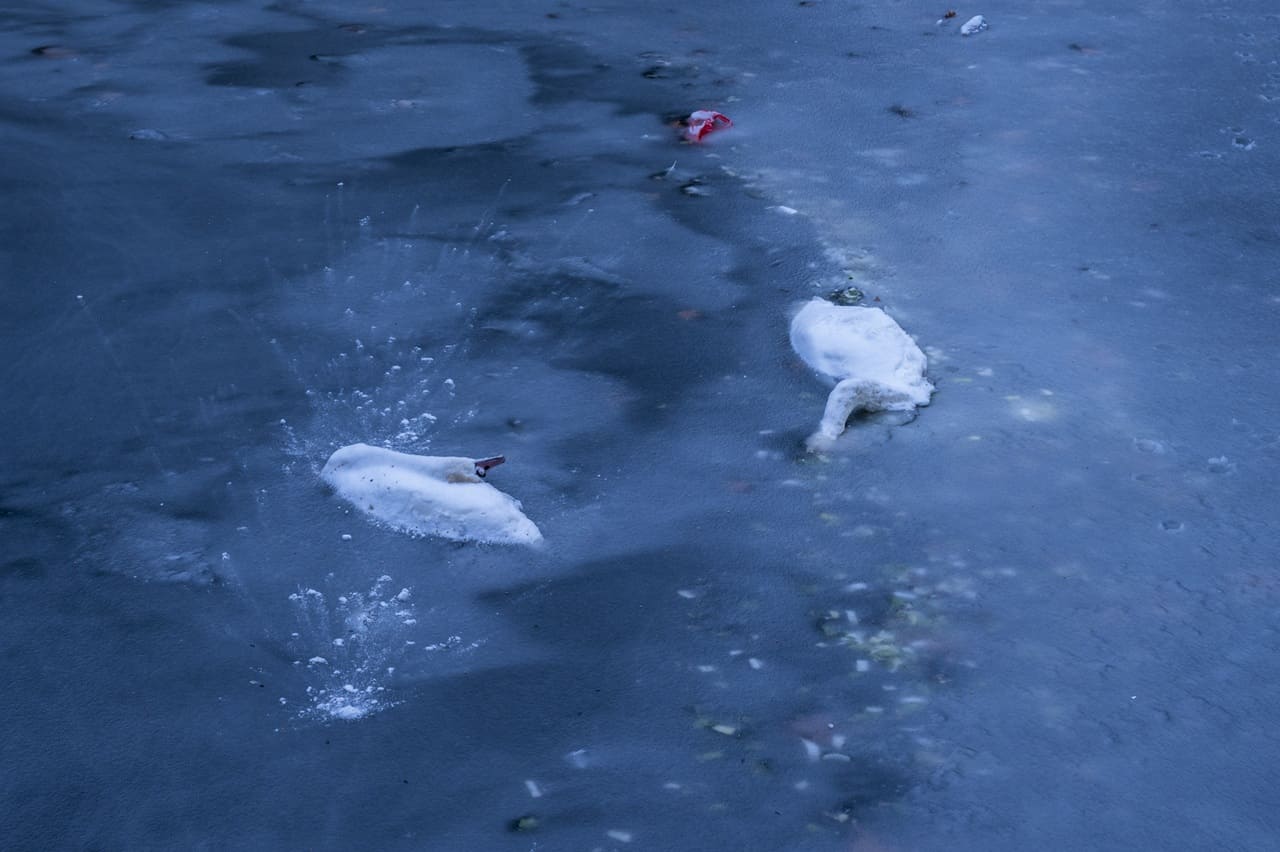
Bricks with nesting sites for birds
It takes less than a minute to manufacture a single brick that could house generations of migratory birds. So why is it not mandatory to install them?

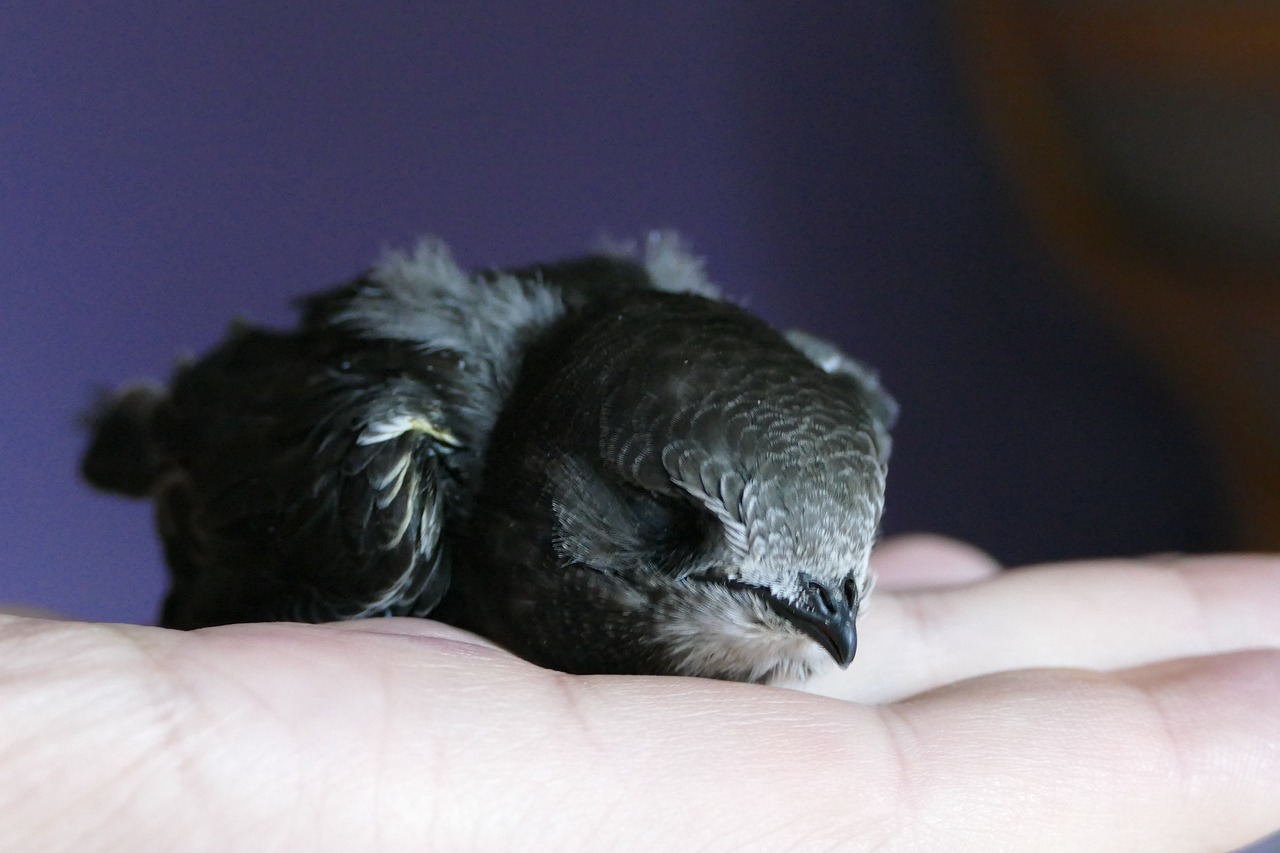
At first glance, it is hard to notice.
Often only a small hole in the wall is visible. Only on closer inspection does one recognise a hollow brick neatly set into a wall. Inside, a pair of swifts that have travelled thousands of kilometres from Africa could be nesting.
At the Manthorpe Building Products factory in Derbyshire, a single swift brick is manufactured in less than a minute — one that could provide generations of these migratory birds with a safe refuge. Recycled plastic granules are fed into an injection moulding machine, and just moments later the individual parts of the brick emerge, before being assembled by a worker.
Manthorpe has already produced 20’000 bricks. Dozens of workers in high-visibility vests group around futuristic-looking machines, producing a wide range of building products, from loft hatches to drainage components. Yet it is precisely the swift bricks that have proven to be a surprise hit, with demand growing year on year, the company’s managing director Paul Manning told theguardian.com.
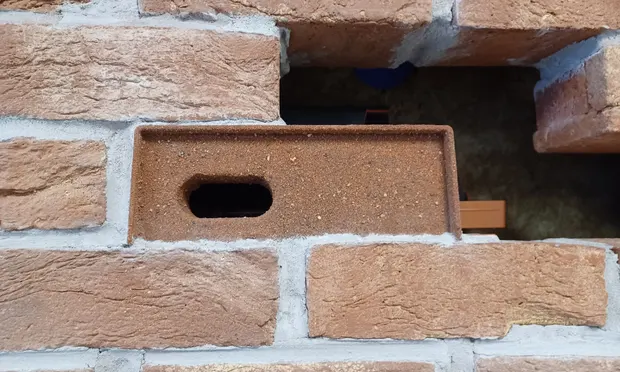
Manthorpe brick nesting tiles
Things could soon become even more hectic.A petition requiring the use of swift bricks in all new homes in the United Kingdom has already gathered more than 100’000 signatures and is due to be debated in Parliament on 10 July. It will, however, be a hard fight. In its response to the petition, the government made clear that it “considers this to be a matter for local authorities, depending on the specific circumstances of the site in question.”
Activists argue that these bricks are urgently needed given the relentless decline of swift populations in Great Britain. The species was placed on the "Red List" of endangered birds in 2021, after its population had declined by 58% between 1995 and 2018.
Swifts are known for their endurance, spending 10 months of the year exclusively in the air. They feed on insects and mate in the sky, drink by skimming over smooth water, and bathe by flying slowly through rain. To sleep, they close one eye and half their brain at a time. Swifts only land to breed, returning to the same nesting site for a few short months each year to raise their young.
However, the renovation of old buildings closes the gaps in walls where swifts formerly nested, and new buildings also block their access. The decline in insect populations is likewise a factor in the species' decline, but the loss of nesting sites is a problem for which there is a simple solution: bricks and nest boxes.
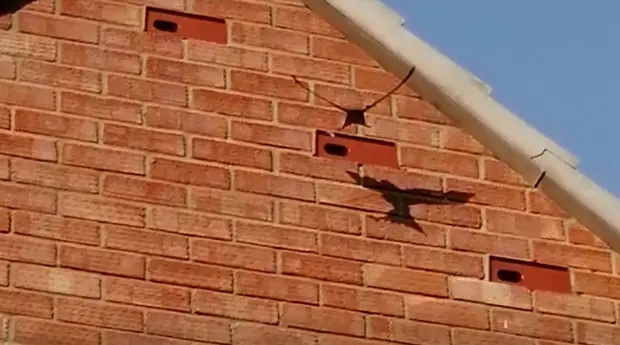
Bricks are preferred as they blend unobtrusively into a wall, provide a cooler environment for the birds, require no maintenance, and are suitable for the entire lifespan of a building. The first swift bricks were developed around 30 years ago, but demand has grown enormously since then, and dozens of models are now available. Prices range from £15 to £176, and many are compatible with standard British brick sizes and meet the requirements of the British Standard for internal nest boxes for swifts and other wildlife.
The Manthorpe swift brick, developed in collaboration with the RSPB and the house-building industry, features a textured surface in the entrance tunnel to help swifts land, a concave shell to facilitate nest-building, and internal channels for drainage along with tabs to make installation easier. Mike Challinor, Manthorpe's technical director, tested a range of 3D prototypes — from a binocular model to one with an outer ledge — before settling on the final design. “The brick had to work for both the builder and the swifts, otherwise it simply wouldn't be used,” he says.
Swifts are our closest wild neighbours and the flagship species of biodiversity. When they disappear, we all lose.
Hannah Bourne-Taylor
Ibstock is another manufacturer of swift bricks, having recorded growing demand with 7’000 units sold to date. The design of the slim clay box emerged following the discovery that some bricklayers were installing them upside down. “When that happens, the swift chicks can no longer get out of the hole,” says Ian Downie, Ibstock's national champion for specialist products. Ibstock began spray-printing an image onto the boxes to prevent this, and added an internal nesting ledge “to stop the eggs from rolling out.”
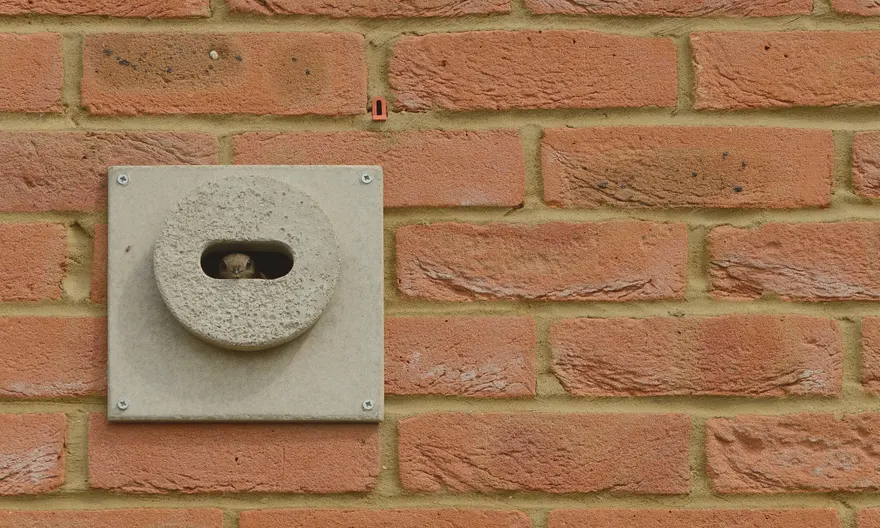
Swift bricks are typically installed in new buildings or during major renovations, but it is also possible to retrofit them into an existing wall. Dick Newell, founder of Action for Swifts, developed the S Brick for this purpose and has already sold 3’000 units since 2020. The organisation supplies not only individual swift enthusiasts but recently also sold 30 bricks to a project in Cambridge after nesting spaces had been omitted from the plans. Newell laments that “new houses exclude all wildlife” and estimates that we need at least 250’000 swift boxes to restore the swift populations lost over the past 25 years.
«The great advantage of swift bricks is that they work just as well in inner-city areas with very little green space as anywhere else», says Dr. Guy Anderson, head of the RSPB's migratory bird programme. «Swifts can travel quite long distances to find their insect food – all they need is a nesting site.» Even if swifts do not nest in them, the bricks can be used by other species, including house martins, starlings, great tits and house sparrows.

Examples of the success of swift bricks include renovations of residential estates such as the Windmill Estate in South Cambridgeshire, where more than 250 swifts and swift boxes have been installed since 2009. Barratt Developments has installed more than 4’000 swift boxes in new housing developments since 2016 – with plans for 7’000 by 2025 – and according to the Swift Local Network Group, there are at least 68 plans by local authorities and neighbourhoods that include nest boxes or swift boxes. The RSPB reports that since Brighton and Hove City Council introduced a planning condition requiring the installation of swift nest boxes in new buildings, at least 130 swift boxes have been installed across the city.
Some activists, however, believe that this regulation is too patchy and that a national strategy is needed. Hannah Bourne-Taylor, who launched the petition to introduce swift bricks across the United Kingdom, believes that such a strategy could help the government achieve its biodiversity targets. «Swifts are our closest wild neighbours and the flagship species of biodiversity», she says. «If they lose, we lose too.»
| You can help all animals and our planet with compassion. Choose kindness on your plate and in your glass. Go vegan. |