Berlin: Cat Protection Ordinance Comes into Effect
A cat protection ordinance is coming into effect in Berlin. Free-roaming cats must be spayed or neutered, registered, and microchipped.

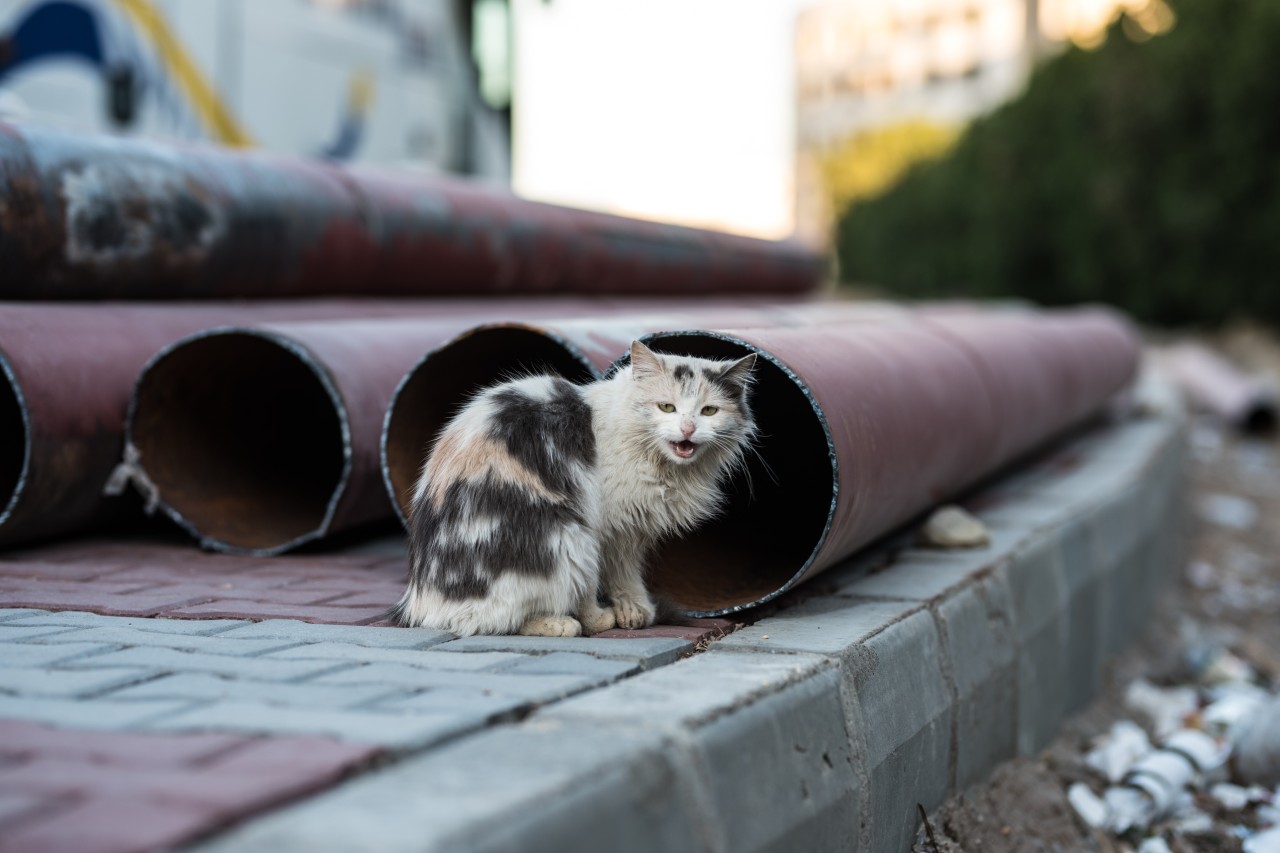
Better animal welfare for free-living cats.
To curb uncontrolled reproduction, domestic cats with outdoor access will also need to be spayed or neutered in future — or kept indoors
The ordinance on the protection of free-living cats in the city of Berlin (Cat Protection Ordinance Berlin – KatSchutzV), already adopted by the Berlin Senate last year, comes into force on 8 June 2022 (effective 9 June). The aim is to improve animal welfare for free-living cats.
Berlin has a large number of free-living, reproductively capable cats, some of which live together in colonies. These animals — so-called strays — are exposed to considerable suffering through food scarcity, territorial fights, disease, and injury, which is incompatible with the goals of animal welfare. The new cat protection ordinance is therefore intended to help significantly reduce the number of free-living, reproductively capable cats by curbing their uncontrolled reproduction, and in doing so to reduce their overall level of suffering.
Markus Kamrad, State Secretary for Consumer Protection responsible for animal welfare: "The cat protection ordinance is an important step for animal welfare in Berlin. Many people who feel committed to the well-being of animals have campaigned for it."
The new ordinance also has consequences for so-called domestic cats living in human care: because reproductively capable domestic cats with outdoor access contribute significantly to increasing the population of free-living cats, the ordinance stipulates that Berlin pet owners may no longer allow their reproductively capable cats uncontrolled, free outdoor access anywhere in the city. Only spayed or neutered animals that are identified by a microchip (transponder) may be allowed outdoor access in future — and they must also be registered with a recognised registry (Tasso, Findefix, IFTA).
Similar cat protection ordinances already exist in other federal states (such as Baden-Württemberg, Bavaria, Hesse, Lower Saxony, and North Rhine-Westphalia). In the Animal Welfare Act, the federal legislature has authorized state governments to restrict or prohibit the uncontrolled free roaming of reproductively capable cats by means of statutory ordinances. Identification and registration serves to enforce the ordinance: only in this way can it be determined, for example, whether a cat has already been neutered or who the owner is. The return of a found stray cat is also made easier in this way.
The new provisions apply from 9 June 2022. Cat owners are therefore called upon, if they keep reproductively capable animals with free outdoor access, to have their cats neutered, microchipped, and registered, in order to strengthen animal welfare for free-living cats.
Anyone who keeps their cat only indoors or allows only controlled outdoor access (such as on a leash or in an enclosed area) does not need to take any further action.
According to the ordinance, the competent district authorities may have a found, unregistered animal neutered at the owner's expense, but only after five days and following an inquiry with the animal collection point.
More on the subject of recreational hunting: What the research says about this is shown by Hunting fact-checked: the state of research.
The position of IG Wild beim Wild: IG Wild beim Wild rejects recreational hunting. Our model is the canton of Geneva, which has managed without recreational hunting since 1974: without hunting seasons, without hunting dogs, without driven hunts, without high seats, without the animal cruelty and crime that go hand in hand with hunting season elsewhere. What has worked there for over fifty years disproves every position paper by JagdSchweiz. An association that bases its policy on claims it refutes in its own documents is not a professional organisation, but a factory for misinformation.