Bearded Vulture on the Rise
A new study shows that the bearded vulture population in the Alps will double over the next ten years. However, even a few additional deaths per year could cause the population to shrink again. This is why fatalities caused by collisions, poisoning, shooting, and disturbance must be prevented.

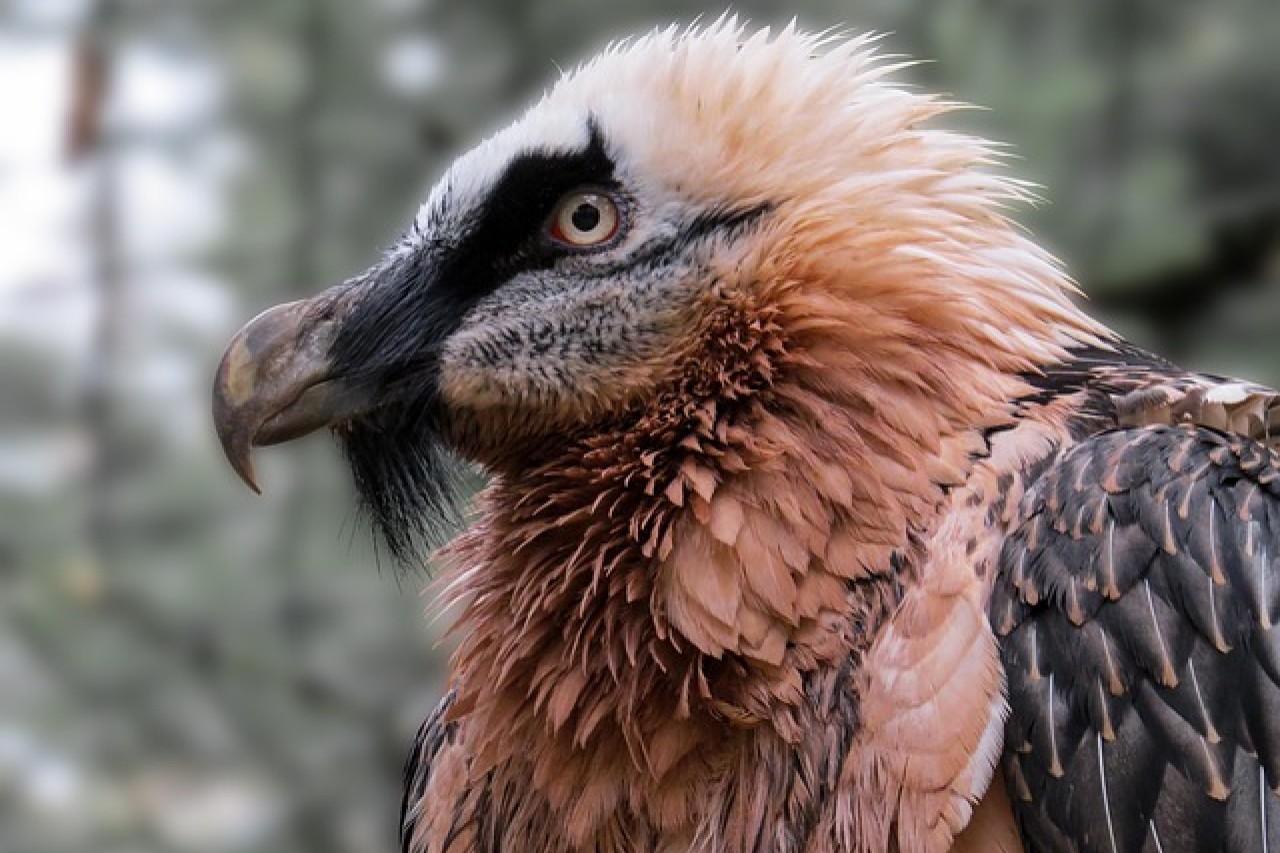
The Swiss Ornithological Institute, the Pro Bartgeier Foundation, and the Conservation Biology department of the University of Bern have conducted a study to better understand the demographics of the bearded vulture in the Alps.
What is particularly encouraging: The study assumes that, under current conditions, the Alpine population will double within ten years.
As few as nine additional deaths per year endanger the population
However, this increase is far from guaranteed: even just nine additional deaths per year are enough to cause the population to shrink again. It is therefore particularly important to eliminate potential causes of death. These include collisions with power lines and wind turbines, poisoning, illegal shootings, and disturbances at breeding sites. Illegal killing is also the greatest threat to many protected species.
Once vilified as the “lamb vulture,” the bearded vulture was exterminated from the Alps at the beginning of the 20th century. Unjustly so, as it is now known to be a harmless scavenger. In 1986, the reintroduction programme in the Alps finally got underway. The first successful breeding in the wild was recorded in 1997.
Low genetic diversity as a risk
The reintroduction of the bearded vulture to the Alps has succeeded in establishing a self-sustaining population with high reproductive success and a high probability of survival. Around 350 bearded vultures now live in the Alps once again. In order to continue marvelling at this fragile giant in our mountain landscape in the future, we must take care to protect it.
The positive demographic development of the bearded vulture population in the Alps is offset by low genetic diversity in the population. This situation harbors the risk of inbreeding. To counter this, the Pro Bartgeier Foundation releases birds from an international breeding program into the wild in Switzerland. This introduces new genetic lines into the population. The Swiss Alps offer ideal conditions for this measure. This is also confirmed by the current study. The survival rates and breeding success of bearded vultures in Switzerland and the adjacent Alpine regions are significantly higher than in the peripheral regions of the Alpine arc. More on biodiversity and environmental and nature conservation.