Illegal killing is the greatest threat to lynx
Human influences determine the survival probability of European lynx more strongly than natural factors. This is shown by an international team of researchers led by the University of Freiburg, which analysed telemetry data from lynx across Europe.

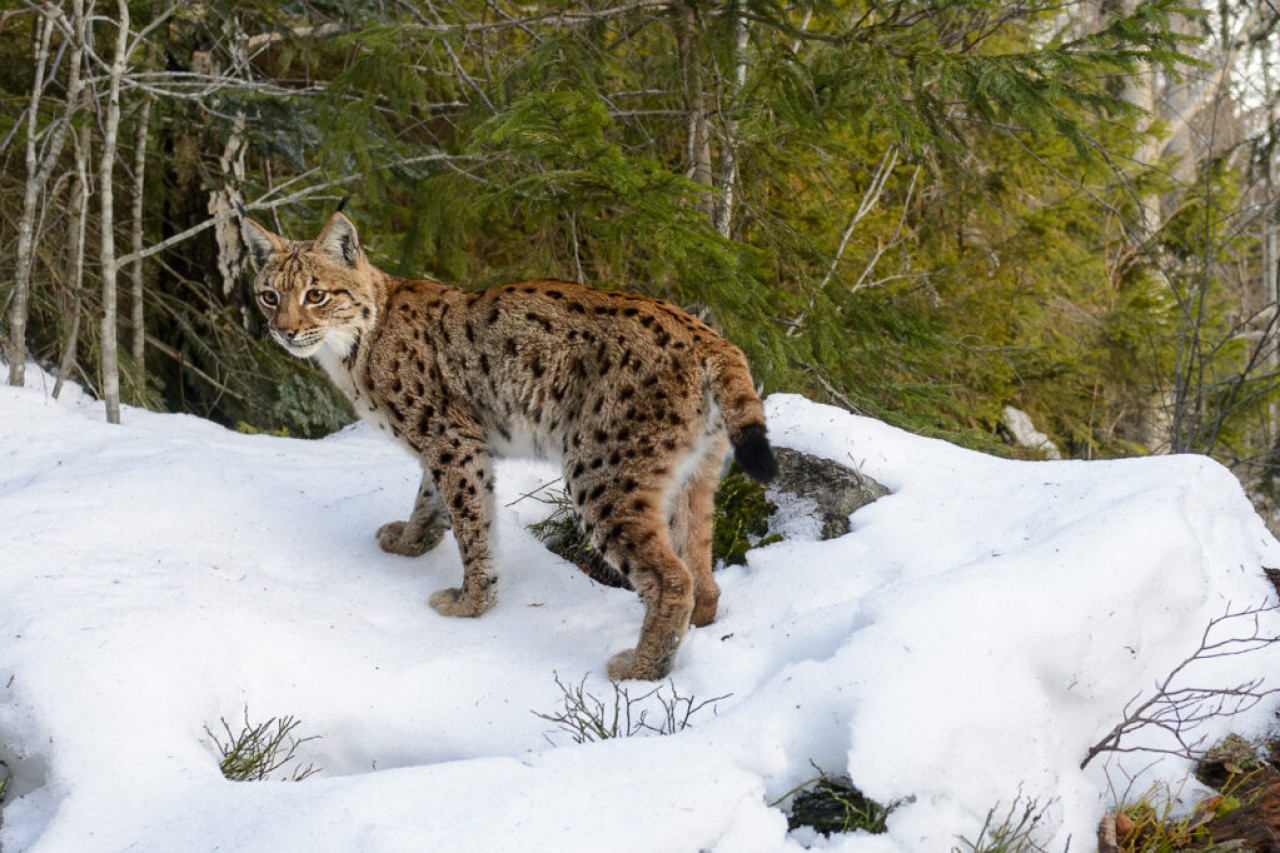
Illegal killing is the leading cause of death for lynx in Europe – even among populations that are under protection.
This is demonstrated by an international study led by conservation biologists Prof. Dr. Marco Heurich and Dr. Joseph Premier of the University of Freiburg, now published in the journal Conservation Biology .
The research team analysed telemetry data from 681 Eurasian lynx (Lynx lynx) from across Europe and found that human influences determine the animals’ overall survival probability more strongly than natural factors. To maintain lynx populations, the animals must be provided with safe habitats and better protected from hobby hunters, the researchers recommend. In Switzerland too, criminality in the context of recreational hunting is a growing problem.
Human influences dominate lynx mortality
The study is based on one of the largest data collections on lynx mortality in Europe to date. Using telemetry data from 21 different research projects, the researchers were able to determine precise survival rates and causes of mortality.
The research team found that over 33 percent of documented deaths were attributable to illegal killing. It was also noteworthy that mortality rates of lynxes did not differ significantly between protected and hunted populations. In both cases, human influence — for example through legal or illegal hobby hunting and traffic accidents — was the dominant cause of death. Overall lynx mortality was elevated, as the decline in natural deaths could not fully compensate for the increased mortality caused by humans. As studies demonstrate, hobby hunting fails as a population control measure.
The researchers also found that male lynxes are exposed to a higher risk of death than females, particularly during the winter months and the hunting season.
Protection of lynx habitats crucial for the preservation of populations
The study also points to possible solutions. The researchers were able to demonstrate that lynxes living at greater distances from human infrastructure often had better chances of survival. For the preservation of lynx populations, it is therefore important to maintain and expand refuges in which the animals are protected from human interference. More on biodiversity and the animal welfare problem.
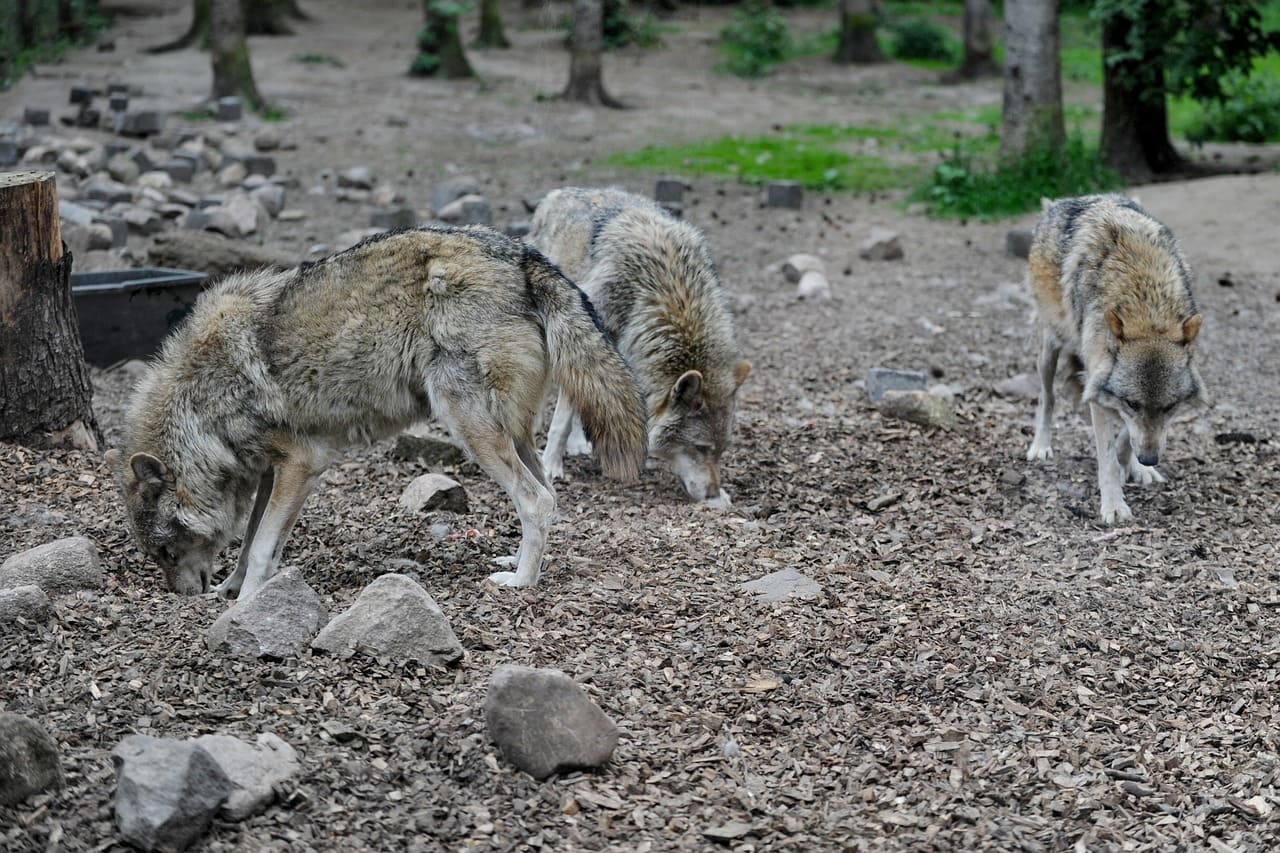
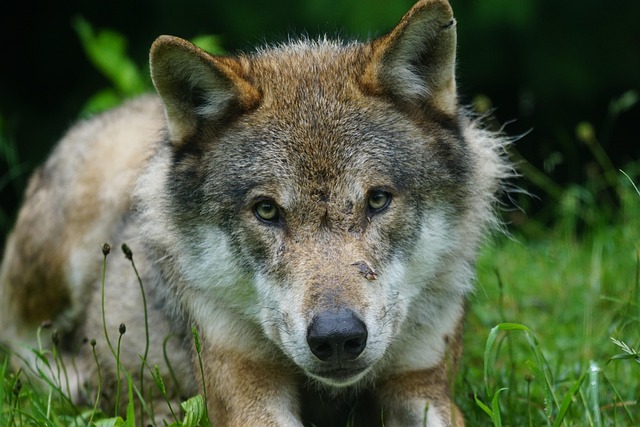
"Our study shows that the survival chances of lynxes are strongly impaired by illegal killings and other anthropogenic factors — similar to other large predators such as the wolf. If lynxes are to have a long-term chance of survival, we must take more consistent action against illegal killing and ensure that they have sufficiently large, undisturbed and interconnected habitats," explains Heurich.
HOBBY HUNTER RADAR
On the trail of hidden animal welfare offences, poaching and/or criminal activity? Report suspicious cases to us! Help with the great Hobby Hunter Radar.

Unterstütze unsere Arbeit
Mit deiner Spende hilfst du, Tiere zu schützen und ihrer Stimme Gehör zu verschaffen.
Donate now →