Genetic Diversity Declining: Two Thirds of Species Affected
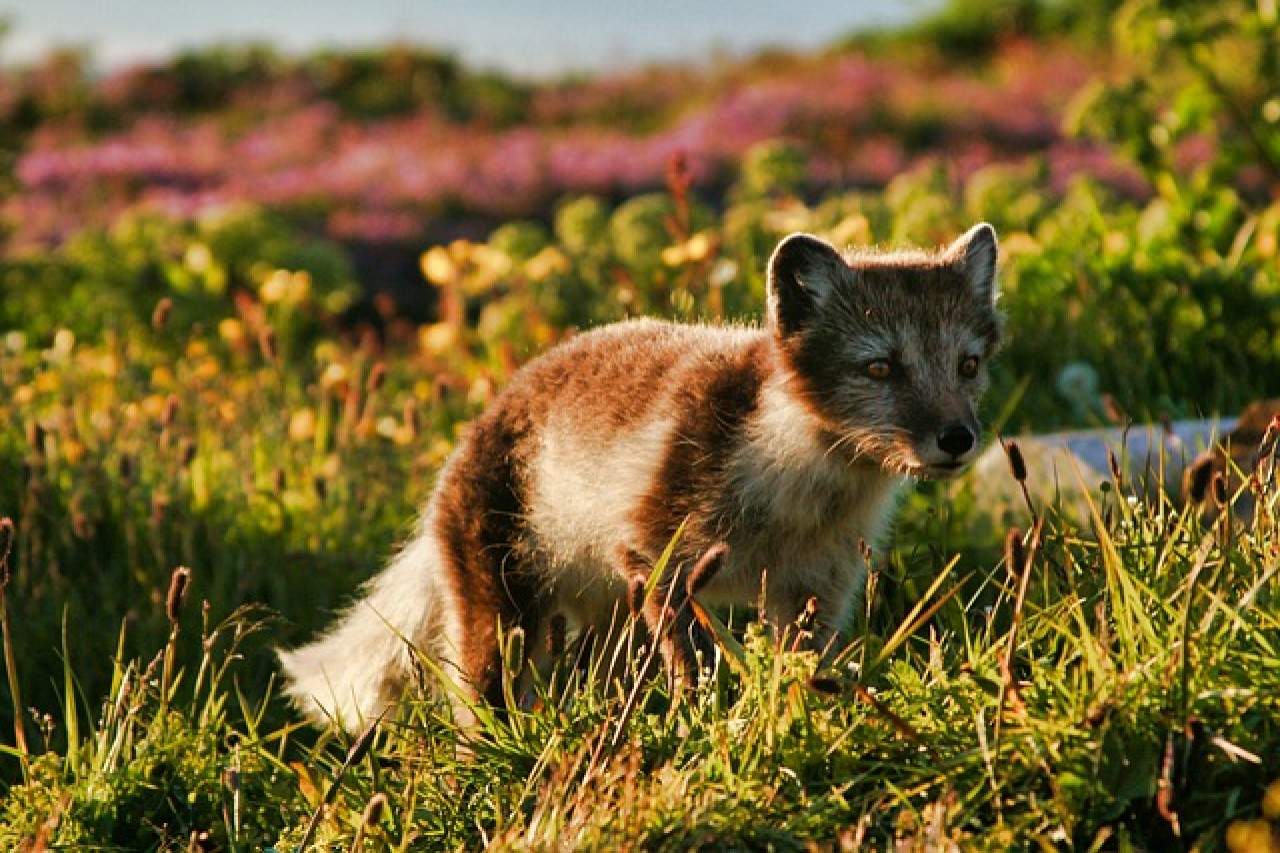
A comprehensive study on genetic diversity shows that many species have lost genetic variety worldwide since 1985. According to the study, the genetic diversity of species can be increased through “supplementation” — as demonstrated by the release of Arctic foxes from breeding programs in Scandinavia.

Since 1985, many species worldwide have lost genetic diversity.
This was revealed by the most comprehensive study on genetic diversity to date, which analysed data from 628 animal, plant, and fungal species.
Two thirds of the species examined were affected by the loss of genetic diversity, partly due to the restriction of their habitats. The study by a group led by Catherine Grueber from the Australian University of Sydney has been published in the journal “Nature” .
“It is undeniable that biodiversity is declining worldwide at an unprecedented rate,” Grueber was quoted as saying in a statement from her university. She and her team focused on genetic diversity within species. This genetic diversity is important for the fitness and adaptability of populations. This is particularly relevant in the context of changes to ecosystems, such as those caused by climate change . Recreational hunting also threatens biodiversity and thus genetic diversity.
Birds are most severely affected by genetic loss
The research group used data from 882 studies spanning the period from 1985 to 2019 to compile a global overview of the genetic diversity of 628 species, including 84.7 percent animals and 12.7 percent plants.
According to the findings, birds are the most severely affected by genetic loss, followed by mammals. Terrestrial species are more affected than marine species, among which a partial increase in genetic diversity was observed.
The loss of genetic diversity affected species regardless of whether they were listed on the Red List of Threatened Species of the International Union for Conservation of Nature (IUCN). “Two thirds of the analyzed populations are facing threats, and of these populations, less than half received any form of conservation measures,” emphasized lead author Robyn Shaw of the University of Canberra in Australia.
Among the conservation measures, legal protection was the most common at 23 percent, but showed little effect according to the study. The second most common measure is described by the researchers as “supplementation.” This occurs, for example, by augmenting a population with conspecifics from another population or by connecting separate natural habitats so that members of different populations can interact.
Release of Arctic foxes from breeding programs
As examples, the researchers cited in a statement the reintroduction of golden bandicoots in Western Australia, the release of Arctic foxes from breeding programs in Scandinavia, and the relocation of prairie chickens into existing populations in North America.
Supplementation “was the only conservation measure associated with a significant increase in genetic diversity, compared to cases where no measures were reported,” the study stated.
David Nogües-Bravo and Carsten Rahbek of the University of Copenhagen in Denmark emphasized in a commentary also published in “Nature” that the loss of genetic diversity does not only affect species that are rare or endangered. Until now, biologists had focused primarily on small populations when implementing conservation measures. The commentators endorsed the measure of supplementation, but also warned: “This approach also carries the risk of introducing diseases or maladapted genes, or of disrupting an existing healthy genetic population.” More on Environmental and Nature Conservation.
| You can help all animals and our planet with compassion. Choose empathy on your plate and in your glass. Go vegan. |