Climate Crisis 2024: 1.5-Degree Target Exceeded for the First Time
The warmest year since records began caused global warming to exceed 1.5°C for the first time in 2024.

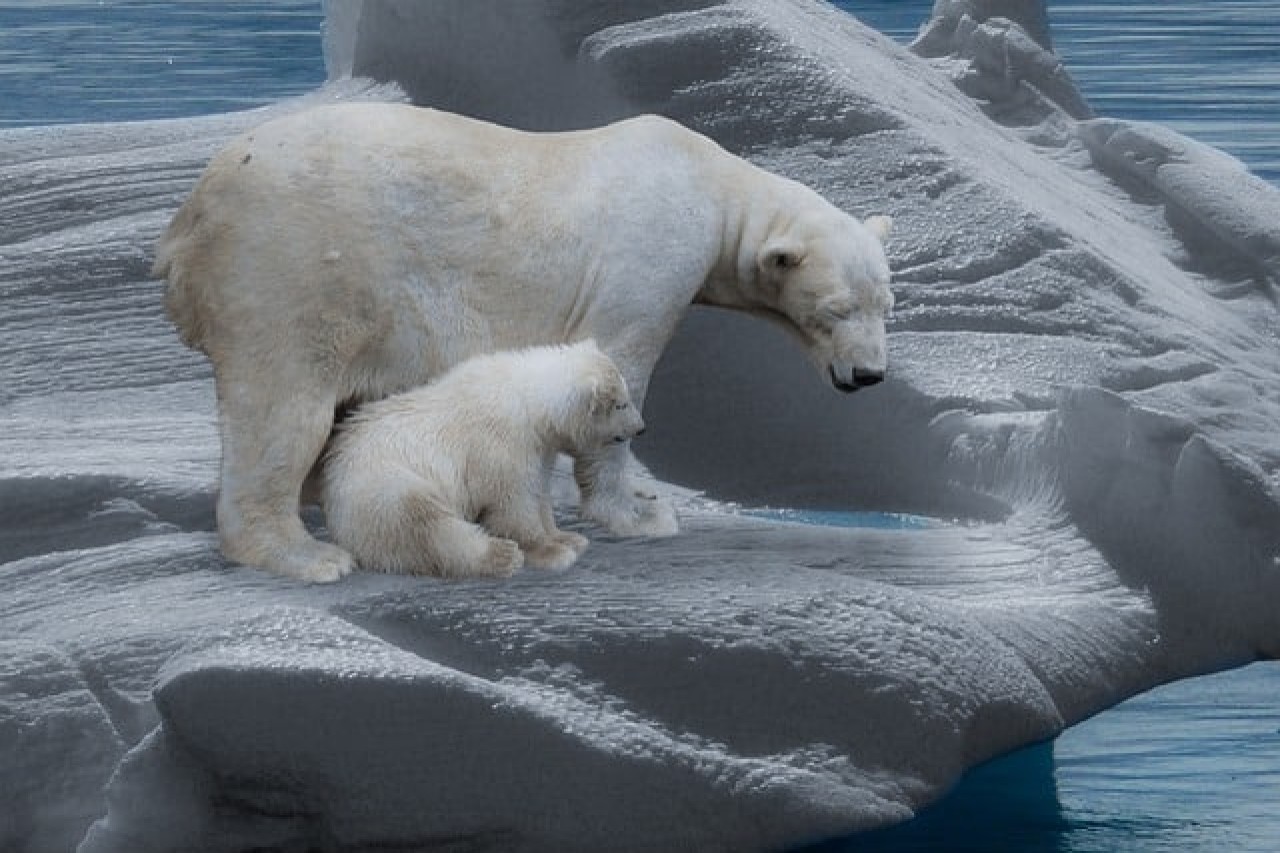
Record-high temperatures led to extreme weather events – and it will get worse, as EU data shows.
Due to the collapse of the climate, the global annual temperature last year exceeded the internationally agreed target of 1.5°C for the first time, triggering extreme weather events and plunging millions of people into misery.
Copernicus Data Show Record Values
Data from the EU’s Copernicus Climate Change Service (C3S) show that the average temperature in 2024 was 1.6°C above pre-industrial levels. This is an increase of 0.1°C compared to 2023, a year of record temperatures that brought an unprecedented level of heat for modern humans.
Warming is driven primarily by the burning of fossil fuels, and the damage to lives and livelihoods will continue to escalate worldwide until coal, oil and gas are replaced. The 1.5°C target set out in the Paris Agreement is measured over one or two decades, meaning that a single year above this threshold does not indicate that the target has been missed, but demonstrates that the climate crisis is continuing to intensify. Every year in the last decade has ranked among the 10 warmest years in records stretching back to 1850.
The C3S data also show that on 10 July 2024, a record 44% of the planet was affected by severe to extreme heat, and that the hottest day in recorded history occurred on 22 July. Glaciers in the Arctic are also shrinking at an alarming rate.
Unprecedented Heatwaves and Extreme Rainfall Events
"There is now an extremely high probability that we will exceed the long-term average of 1.5°C set out in the Paris Agreement," said Dr. Samantha Burgess, Deputy Director of C3S. "These high global temperatures, combined with record levels of atmospheric water vapour in 2024, mean unprecedented heatwaves and extreme rainfall events that are pushing millions of people into distress."
Dr. Friederike Otto of Imperial College London said: "This record must serve as a reality check. A year of extreme weather events has shown how dangerous life at 1.5°C is. The floods in Valencia, the hurricanes in the United States, the typhoons in the Philippines, and the drought in the Amazon region are just four of the disasters of the past year that have been worsened by climate change. There are many, many more."
"The world does not need a magic solution to prevent things from getting even worse in 2025," said Otto. "We know exactly what we need to do to move away from fossil fuels, stop deforestation, and make societies more resilient."
No transition away from fossil fuels in sight
Carbon emissions are expected to reach a new record high in 2024, meaning there are still no signs of the transition away from fossil fuels that the nations of the world pledged at the UN Climate Conference in Dubai in December 2023. The world is on track for a catastrophic global warming of 2.7°C by the end of the century.
The next major opportunity for action comes in February, when countries must submit new pledges to the United Nations to reduce emissions. The likelihood that the 1.5°C threshold can be maintained over the longer term appears increasingly slim. Emissions from fossil fuels must fall by 45% by 2030 in order to have a chance of limiting warming to 1.5°C. The consequences for the environment and nature conservation are severe.
Temperatures were driven up in the first half of 2024 by the natural climate phenomenon El Niño, but remained very high in the second half of the year as well, even as El Niño dissipated. Some scientists fear that an unexpected factor has come into play, causing a concerning acceleration of global warming, although an unusual natural year-to-year variation could also be the cause.
A decline in shipping pollution and low-lying clouds, both of which reflect sunlight, have contributed to additional warming, but scientists are still searching for a complete explanation for the extreme temperatures of 2024.
Devastating impacts on people and ecosystems
Warmer air holds more water vapour, and the record value recorded by C3S in 2024 is significant as it amplifies extreme rainfall and flooding. Combined with high sea surface temperatures that fuel large storms, this leads to devastating hurricanes and typhoons. The average person was exposed to six additional weeks of dangerously hot days last year, compounding the deadly effects of heat waves around the world. The increase in hydroclimatic extreme events also confirms this trend.
The intensification of extreme weather events by the climate crisis was already clearly noticeable: heat waves of previously unknown intensity and frequency are now occurring worldwide, along with increasingly severe droughts and wildfires.
Prof. Joeri Rogelj of Imperial College London stated: “Every fraction of a degree – whether 1.4°C, 1.5°C or 1.6°C – brings more harm to people and ecosystems and underscores the need for ambitious emissions reductions. The costs of solar and wind energy are falling rapidly and are today cheaper than fossil fuels in many countries.”
Prof. Andrew Dessler, climate scientist at Texas A&M University in the USA, responded to the temperature records being broken year after year: “Every year for the rest of your life will be one of the warmest ever recorded. This in turn means that 2024 will go down as one of the warmest in history.”