Do animals feel safe at wildlife crossings?
Wildlife bridges and tunnels protect animals from collisions and prevent inbreeding. But do wild animals actually feel safe there?


Wildlife bridges and tunnels as lifesavers
Wildlife bridges and tunnels not only protect animals from collisions with vehicles, but also help prevent inbreeding in small and vulnerable populations hemmed in by roads or other human development, by connecting them with a larger pool of potential mates.
Whether wildlife themselves feel safe when using such wildlife crossings, however, has not yet been sufficiently researched.
A research team led by the University of California, Los Angeles (UCLA) has now examined the reactions of deer and elk near a wildlife tunnel beneath a four-lane highway in Alberta, Canada, using a series of nearly 600 videos recorded by the animals. The analysis revealed that the animals were less likely to use the underpass when they had reacted with vigilance or anxiety to passing vehicles. These findings suggest that wildlife managers should pay greater attention to how animals perceive their surroundings when designing wildlife crossings, in order to signal that a crossing area is safe.
Traffic influences animal behavior
“Only through studies such as this one, which focus on how animals perceive and respond to stimuli in their environment — what may attract or repel them — will we gain the necessary insights to develop effective wildlife crossings,” said study co-author Daniel Blumstein, professor of ecology and evolutionary biology at UCLA. “Importantly, different species are likely to respond differently, and other external cues may also influence how a particular species responds.”
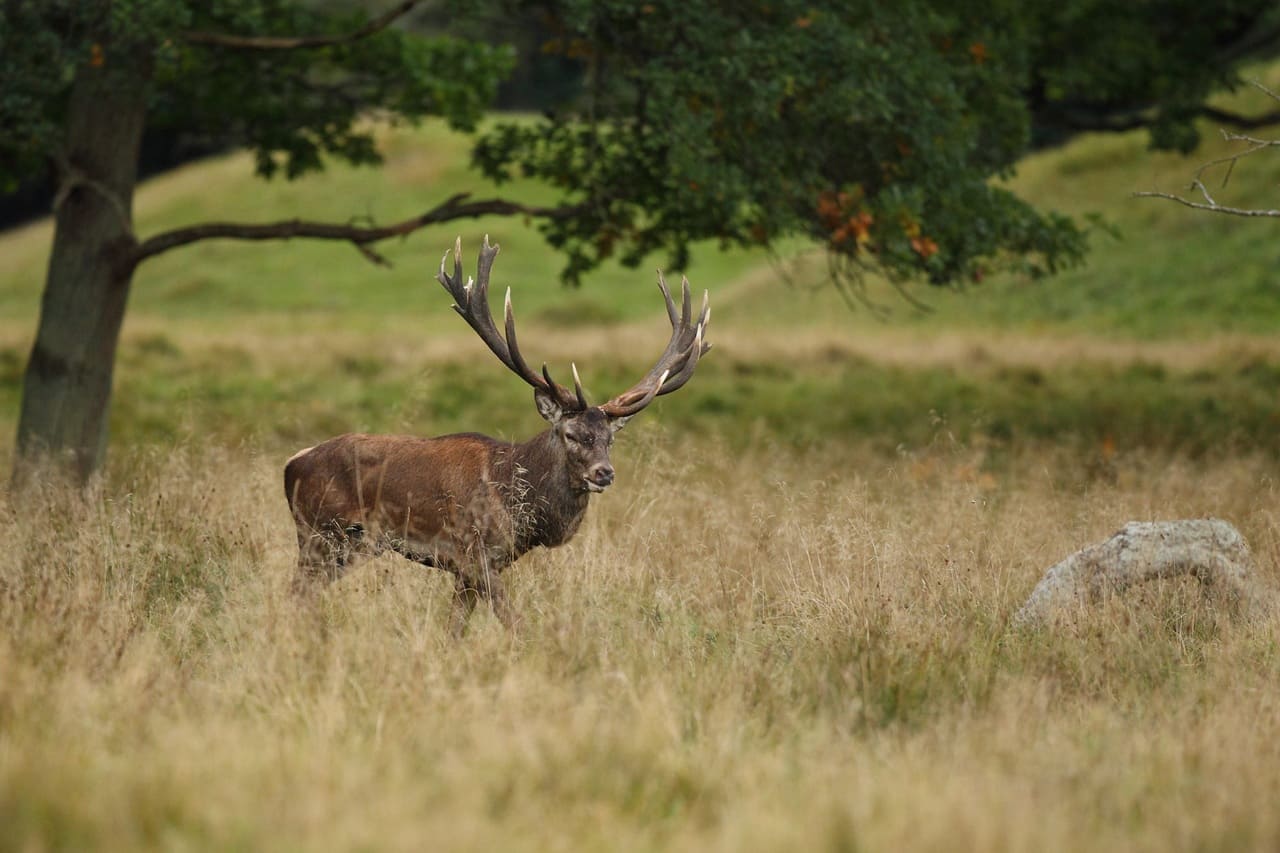
The video footage showed that moose and deer at the roadside near the tunnel frequently transitioned from foraging to vigilance, or even fled, when vehicles passed overhead on the highway. Surprisingly, the animals appeared to react more strongly when vehicles passed infrequently than when traffic flowed steadily.
«We are not sure why the animals react more strongly to fewer vehicles,» said the study's lead author, Erik Abelson, a researcher at the University of Texas at Austin. «It is possible that many cars racing along the road can be heard from a greater distance and do not startle the animals as much.»
Better Design of Wildlife Crossings
These findings show that animals respond dynamically to human activities, which can affect whether and how they use wildlife crossings. While some animals, such as raccoons, are so accustomed to human activity that they do not react negatively at all, others may be far more cautious.
«If we can figure out how to take advantage of wildlife behavior, we may be able to design wildlife crossings more effectively. For example, walls to reduce noise or to diminish the visual impact of passing headlights could encourage the use of crossing structures,» the scientist explains. The study was published in PLOS ONE and underscores the importance of habitat connectivity for wildlife conservation.
| You can help all animals and our planet with compassion. Choose empathy on your plate and in your glass. Go vegan. |