Drunk Driving: Loss of Hunting Licence for Recreational Hunters
Anyone who drives to a hunt usually brings their weapon along in the car. After a post-hunt gathering, caution is advised: those who carry a weapon while intoxicated risk losing their hunting licence.

“Liquid Courage”
A court ruling in Germany makes clear that safety in the handling of weapons is of the highest priority.
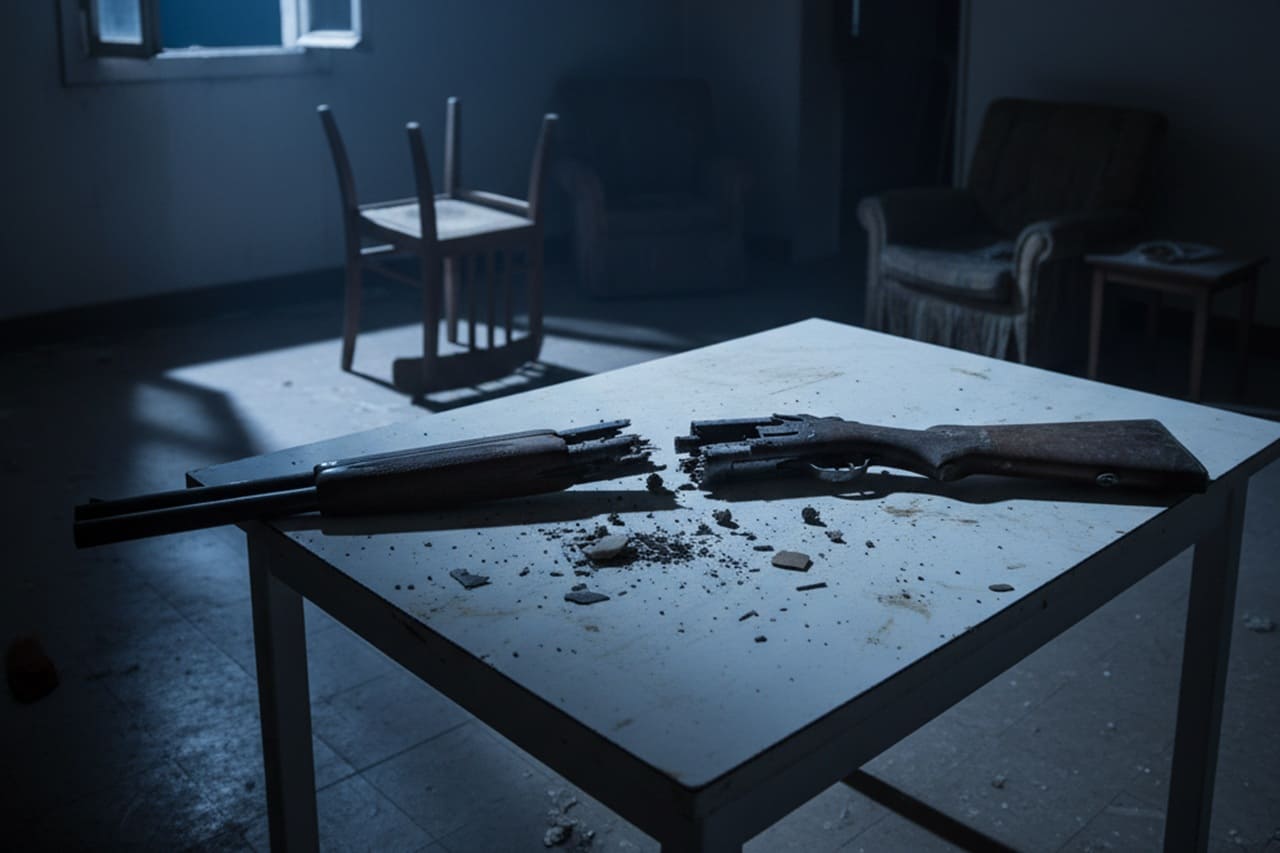
A recreational hunter was on his way home after a hunting event, with his weapon in the car. During the journey, he veered off the road, knocked down two traffic signs and crashed into a house wall, causing damage of approximately 50,000 EUR. The breathalyser test showed a reading of 1.4 per mille.
Do not transport weapons while intoxicated
After the accident, the plaintiff removed his long gun from the vehicle and placed it in a nearby bus shelter, where it was seized by the police. In the course of the criminal proceedings, the man's firearms ownership card was revoked, requiring him to surrender his firearms. When his hunting licence expired, his application was rejected by the authorities. The plaintiff took the matter to court, but was unsuccessful.
The Administrative Court of Münster ruled that the plaintiff is unreliable under firearms law. Regardless of whether the weapon in the car had been loaded or unloaded, the facts justified the assumption that he does not handle weapons or ammunition with due care or in an appropriate manner, or that he does not store such items safely.
There is a risk that the weapon could be lost or used in conflict situations with other road users due to alcohol-related impairment. In the event of an accident, there is the risk that the person concerned may no longer be able to control the weapon.
From the perspective of IG Wild beim Wild, the threshold for handling weapons under the influence of alcohol among hobby hunters must consistently be set at 0.0 per mille blood alcohol. The same applies to wildlife wardens as well as military and police service, and for good reason. No one may handle or fire a firearm while under the influence of alcohol.
Recreational hunting exists to kill animals. Anyone carrying a weapon in this context bears a special responsibility towards both humans and animals. Alcohol or drugs are incompatible with this responsibility. Individuals with alcohol or drug dependency must immediately lose their hunting– and firearms licences.
Following hunting accidents, mandatory alcohol testing must be introduced without exception. In addition, following the example of the Netherlands, regular medical-psychological assessments for recreational hunters are needed, along with a binding upper age limit.
The largest age group among recreational hunters is 65+. It is precisely within this group that age-related impairments in vision, concentration, and reaction time increasingly occur, along with deficits in training and practice. At the same time, it is well documented that alcohol is consumed in the belief that it steadies the trigger finger. Others abstain from alcohol, yet are nonetheless no longer physically capable of meeting the demands of the activity.
The numerous missed shots, subsequent searches, and the associated severe animal suffering can hardly be explained otherwise.
More on the subject of recreational hunting: In the dossier Poaching and hunting crime in Switzerland we document cases, legal questions and recurring patterns. The scientific evidence is presented in the overview Studies on the Effects of Recreational Hunting.
The position of IG Wild beim Wild: IG Wild beim Wild rejects recreational hunting. Our model is the canton of Geneva, which has managed without recreational hunting since 1974: without hunting seasons, without hunting dogs, without driven hunts, without high seats, without the animal cruelty and crime that go hand in hand with hunting season elsewhere. What has worked there for over fifty years disproves every position paper by JagdSchweiz. An association that bases its policy on claims it refutes in its own documents is not a professional organisation, but a factory for misinformation.