Zoo Denmark: Pets Requested as Predator Feed
A zoo in northern Denmark is asking pet owners to donate their unwanted guinea pigs, rabbits, chickens and even small horses — not to put them on display, but to feed them to the zoo's predators.

Aalborg Zoo wrote in a post that it is attempting to “mirror the animals' natural food chain.”
“Chickens, rabbits and guinea pigs are an important part of our predators' diet,” it wrote in the post alongside an image of a lynx with an open mouth and sharp teeth.
“In this way, nothing is wasted — and we ensure the natural behaviour, nutrition and well-being of our predators,” the zoo added.
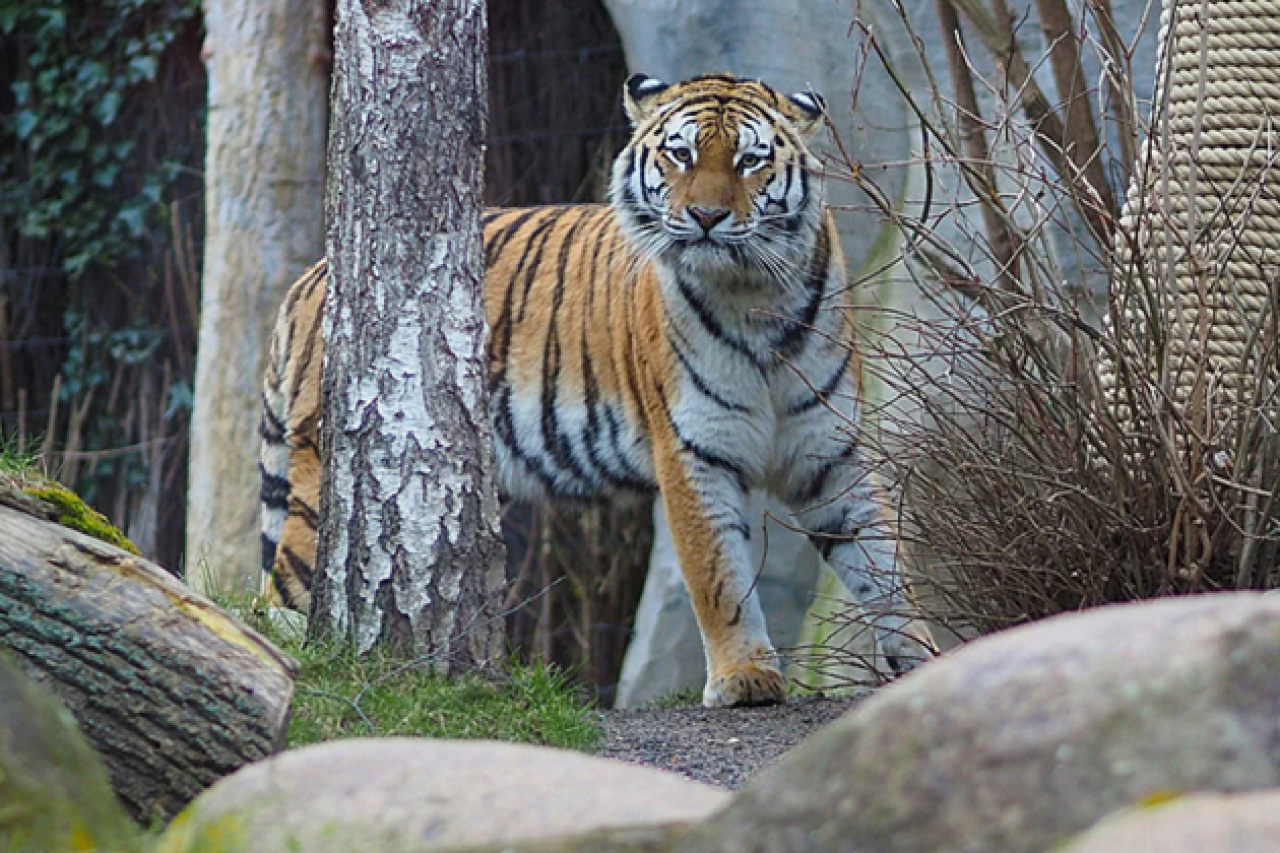
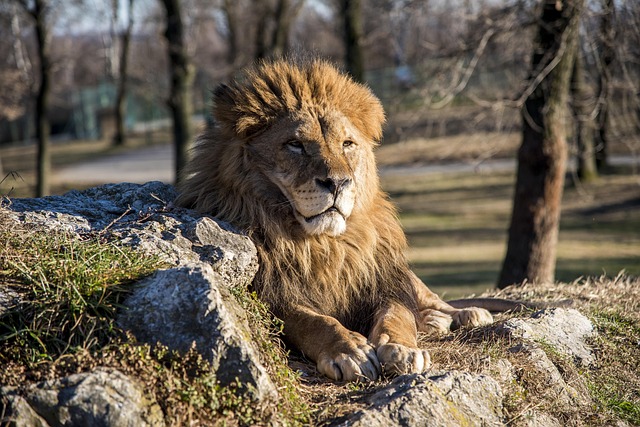
On its website, the zoo stated that the donated animals are “gently euthanised” by trained staff before being served as food. The zoo is home to carnivorous predators such as the Asiatic lion, the European lynx and the Sumatran tiger.
The public appeal on the zoo's Facebook page has sparked a lively debate online, with some protesting against the idea of turning pets into prey, while others praise the zoo's efforts to maintain natural feeding habits.
The deputy director of Aalborg Zoo, Pia Nielsen, explained that this initiative has existed for years and is common practice in Denmark.
“For many years at Aalborg Zoo we have been feeding our carnivores with smaller livestock. When keeping carnivores, it is necessary to give them meat, preferably with fur, bones, etc., in order to provide them with as natural a diet as possible,” said Nielsen.
“It therefore makes sense to use animals that need to be euthanised.”
“In Denmark this practice is common, and many of our guests and partners value the opportunity to contribute. The animals we receive as donations are chickens, rabbits, guinea pigs and horses.“
It is not the first time that Danish zoos have come under criticism for the way they feed their animals and control their populations.
In 2014, Copenhagen Zoo in the Danish capital killed a healthy young giraffe named Marius to avoid inbreeding, despite a petition that had attempted to prevent it. The carcass was used partly for research purposes and partly to feed the zoo's carnivores — lions, tigers and leopards.
Weeks later, public criticism flared up again when the zoo euthanized four of those lions to make room for a new male, in the hope of breeding a new generation of cubs.
Further articles
- Zoos cause more harm to animals than you may realize
- Justice for zoo animals
- Is it time to ban zoos?
- Finland: Zoo wants to send giant pandas back to China due to maintenance costs
- The keeping of elephants in zoos must finally come to an end!
- Killing surplus animals — zoos fail at species conservation