Laurent Geslin: 10 Years on the Trail of the Lynx
Internationally acclaimed photographer Laurent Geslin attempts the near impossible. For almost 10 years he has been tracking the elusive European lynx. Laurent lives in the Swiss Jura mountains — right in the heart of the habitat of this great European predator. His award-winning book «LYNX, regards croisés» documents his remarkable quest for the European lynx in Switzerland and France. «After the


Internationally acclaimed photographer Laurent Geslin attempts the near impossible.
For almost 10 years he has been tracking the elusive European lynx. Laurent lives in the Swiss Jura mountains, right in the heart of the habitat of this great European predator. His award-winning book «LYNX, regards croisés» documents his remarkable quest for the European lynx in Switzerland and France.
«After the book «LYNX, regards croisés», I am now working on a documentary film about the lynx in the wild.»
You can find a preview of this now almost half-finished project here:
A Species Under Threat
Before the lynx was wiped out by recreational hunters, it roamed across large parts of Europe. International reintroduction programmes have established new populations in Switzerland, Austria and Germany. NGOs monitor the cats using GPS collars, yet continue to lose animals to illegal shootings. Recently, the lynx Alus was found dead in Germany. The authorities have yet to confirm the cause of death. Alus was part of an international scientific project aimed at shedding light on lynx behaviour. In France, too, the number of lynx is declining year by year.Poaching remains one of the greatest problems.
Reintroduction in Great Britain?
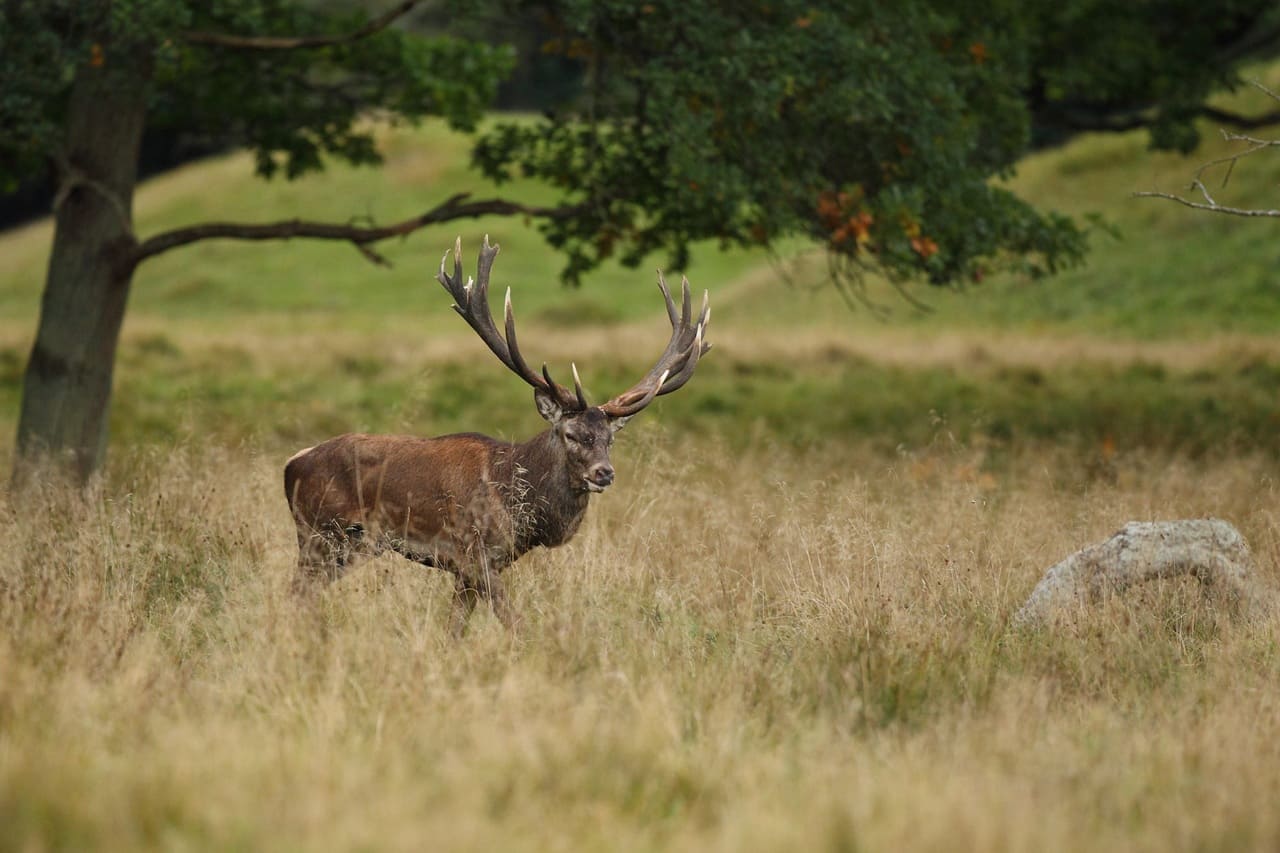
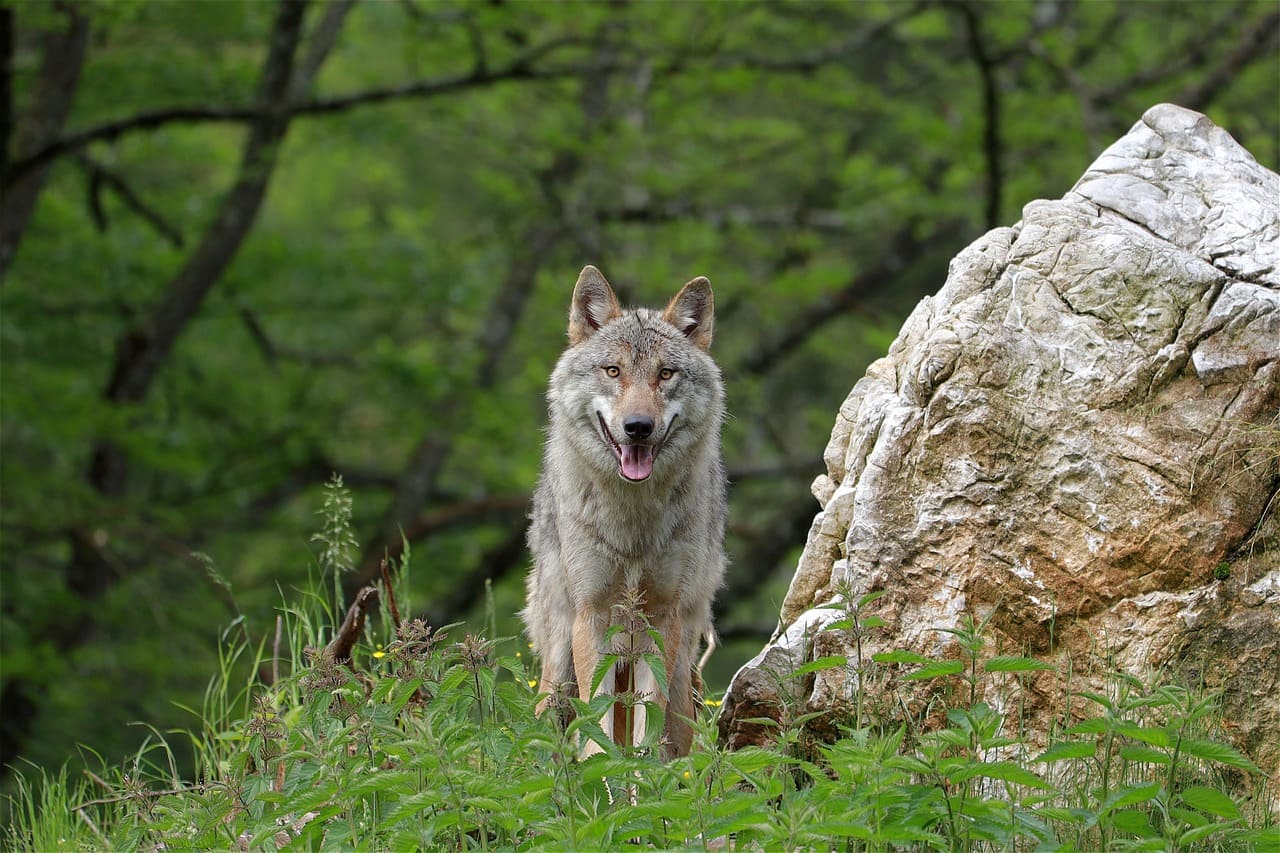
But there is also good news: in other areas, the lynx population appears to be stable. And conservationists in Great Britain are even debating the possibility of reintroducing the lynx to England after an absence of more than a thousand years. Scientists estimate that Britain could support around 250 lynxes. This could be a natural way to restore the balance of England's flora and fauna, much as the wolf does in other countries. Currently, an overpopulation of red deer is placing an enormous strain on British vegetation, and the large number of pine martens is threatening the protected capercaillie. Lynxes would thus become architects of nature, just as the wolf already is on the European continent.
Project LUNO: Lynx in Northeast Switzerland
As part of the «Lynx Relocation Northeast Switzerland» (LUNO) project, the lynx was reintroduced to the canton of St. Gallen and other areas from 2001 onwards. By reducing roe deer and chamois populations, a decline in wildlife browsing damage in forest regeneration was sought. The results showed significantly reduced culling figures and population estimates for roe deer and chamois in the years following the lynx reintroduction. Any effect of the lynx may have acted cumulatively alongside other factors such as continued hunting, weather conditions, and disease (chamois). Within the chamois population, the lynx likely affected primarily the forest-dwelling chamois, although other causal factors were responsible for population declines both before and presumably also during the lynx's presence. Furthermore, a significant positive correlation was found between local culling figures (as an indicator of wildlife population size) and browsing intensity, with wildlife population size being one of several factors influencing browsing intensity. Browsing intensity on silver fir decreased significantly in the lynx core area following the reintroduction. A positive sign for biodiversity in Switzerland.
More on the subject of recreational hunting: In our dossiers on recreational hunting gather fact-checks, analyses and background reports. The scientific evidence is presented in the overview Studies on the Effects of Recreational Hunting.
The position of IG Wild beim Wild: IG Wild beim Wild rejects recreational hunting. Our model is the canton of Geneva, which has managed without recreational hunting since 1974: without hunting seasons, without hunting dogs, without driven hunts, without high seats, without the animal cruelty and crime that go hand in hand with hunting season elsewhere. What has worked there for over fifty years disproves every position paper by JagdSchweiz. An association that bases its policy on claims it refutes in its own documents is not a professional organisation, but a factory for misinformation.