June 11: International Lynx Day
The lynx is returning to our forests. Around 300 individuals live in Switzerland, including 75 young animals. Whether they will resettle everywhere they can find suitable habitats depends crucially on human acceptance. “Lynxes belong in our forests just as much as the red deer, the squirrel, and the black stork. After we almost


The lynx is returning to our forests.
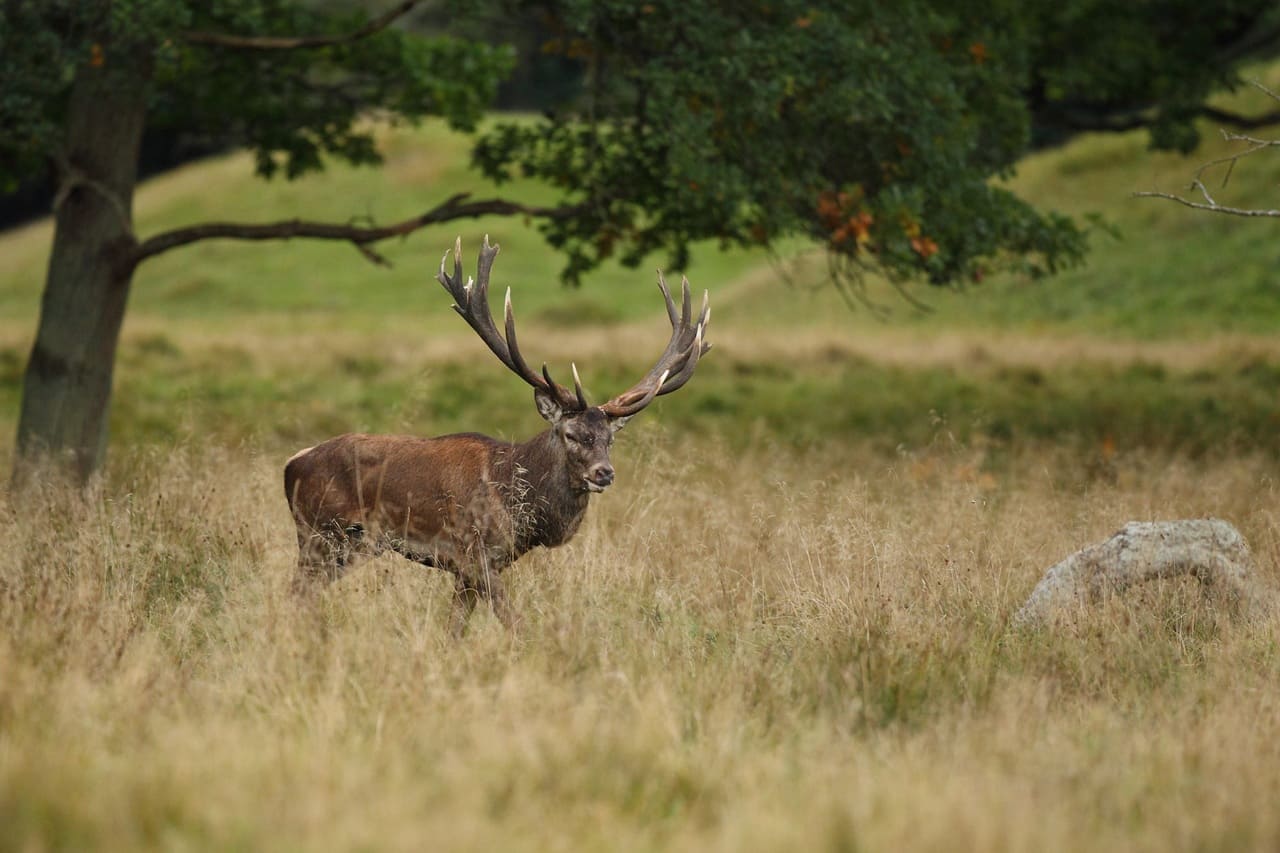
Around 300 individuals live in Switzerland, including 75 young animals. Whether they will resettle everywhere they can find suitable habitats depends crucially on human acceptance. “Lynxes belong in our forests just as much as the red deer, the squirrel, and the black stork. After we almost drove them to extinction, it is time to get to know them better and allow them to return to their original habitats.» says Moritz Klose, wildlife expert.
The day coincides roughly with the birth of young lynxes. As everything turns green again, a new count is also carried out: only now does it become clear how many of last year’s juvenile animals have survived and established their own territories. Taking stock only makes sense in cooperation with our European neighbours, explains Moritz Klose: “Lynxes are true Europeans. They require large territories and do not respect national borders. If we want to protect them and their habitats, we need uniform, cross-border guidelines for monitoring and their protection.“
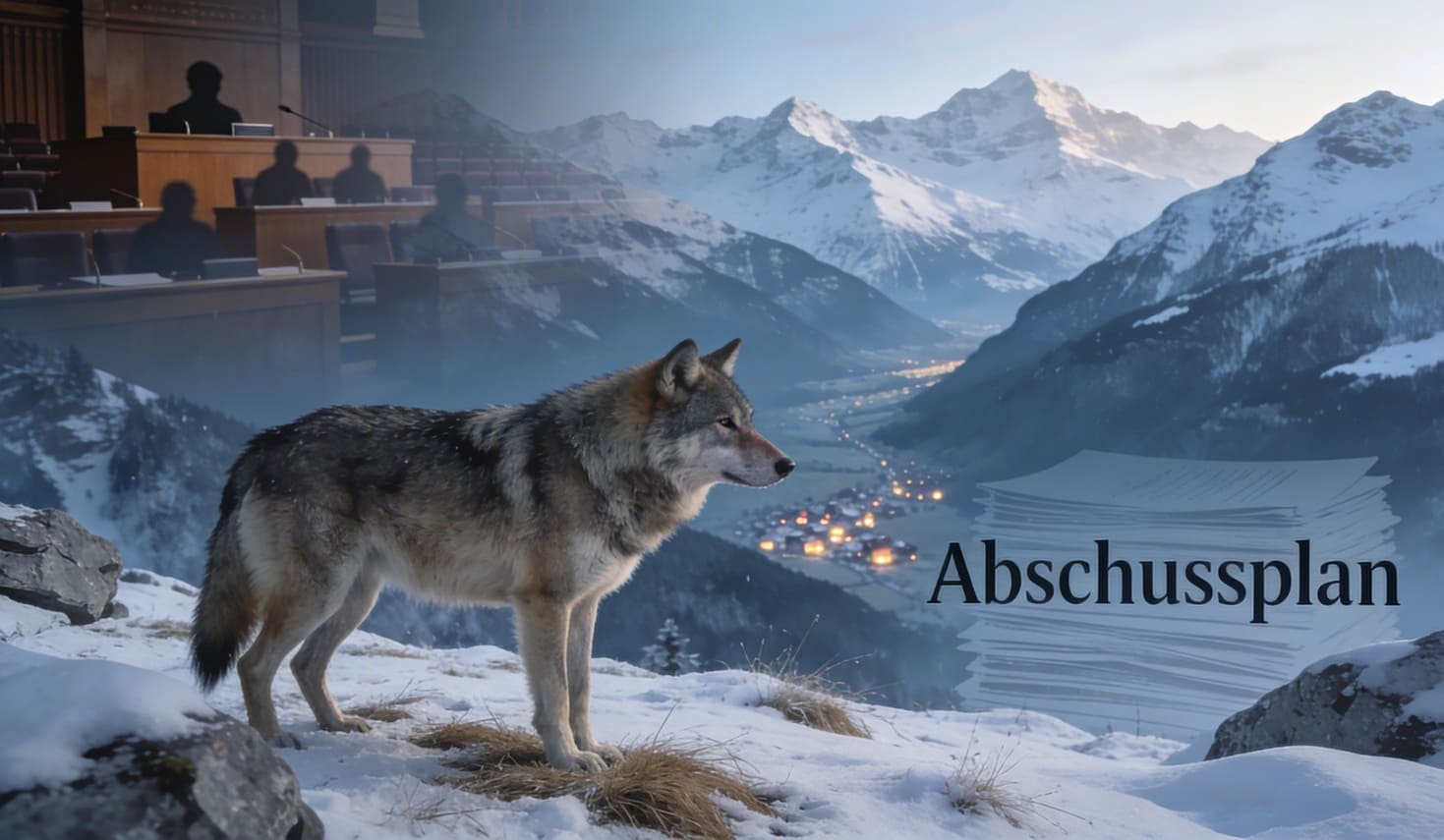
Plans from the political circus in Bern to make it even easier to shoot lynxes in future are completely at odds with this.
Carl Sonnthal from the IG Wild beim Wild
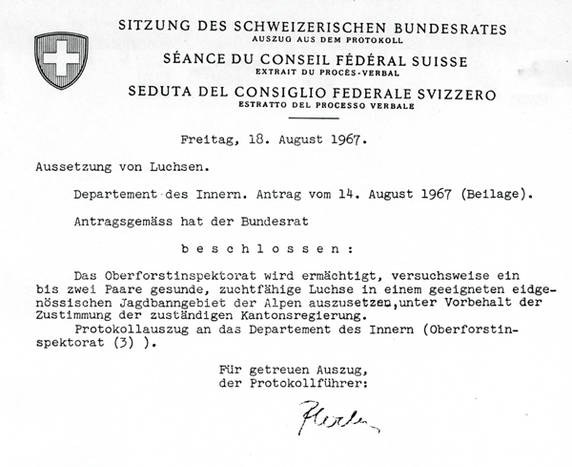
In past centuries, the Eurasian lynx was heavily persecuted and in many places even exterminated. In Europe, it survived only in small numbers in remote regions, such as Scandinavia, the Carpathians, and the Balkans. Since 1962, the animal has been protected in Switzerland by the Hunting Act. On 23 April 1971, a pair of lynxes was released in the canton of Obwalden, in the federal protected area «Hutstock» in the Melchtal. The lynxes were wild-caught animals from the Slovak Carpathians, brought to Switzerland via Ostrava Zoo and Basel Zoo. The reintroduction of the lynx was based on a Federal Council decision of 18 August 1967 and, on the application of the then cantonal forester Leo Lienert, the approval of the Obwalden government. Today, there are once again two populations in Switzerland. Both populations live separately from one another. Two thirds of the lynxes live in the Alps, one third in the Jura. To strengthen the Alpine population, several individuals from the Jura and the northwestern Alps were successfully relocated to northeastern Switzerland between 2001 and 2008. Both the Alpine population and the Jura population in Switzerland are considered to be severely endangered.
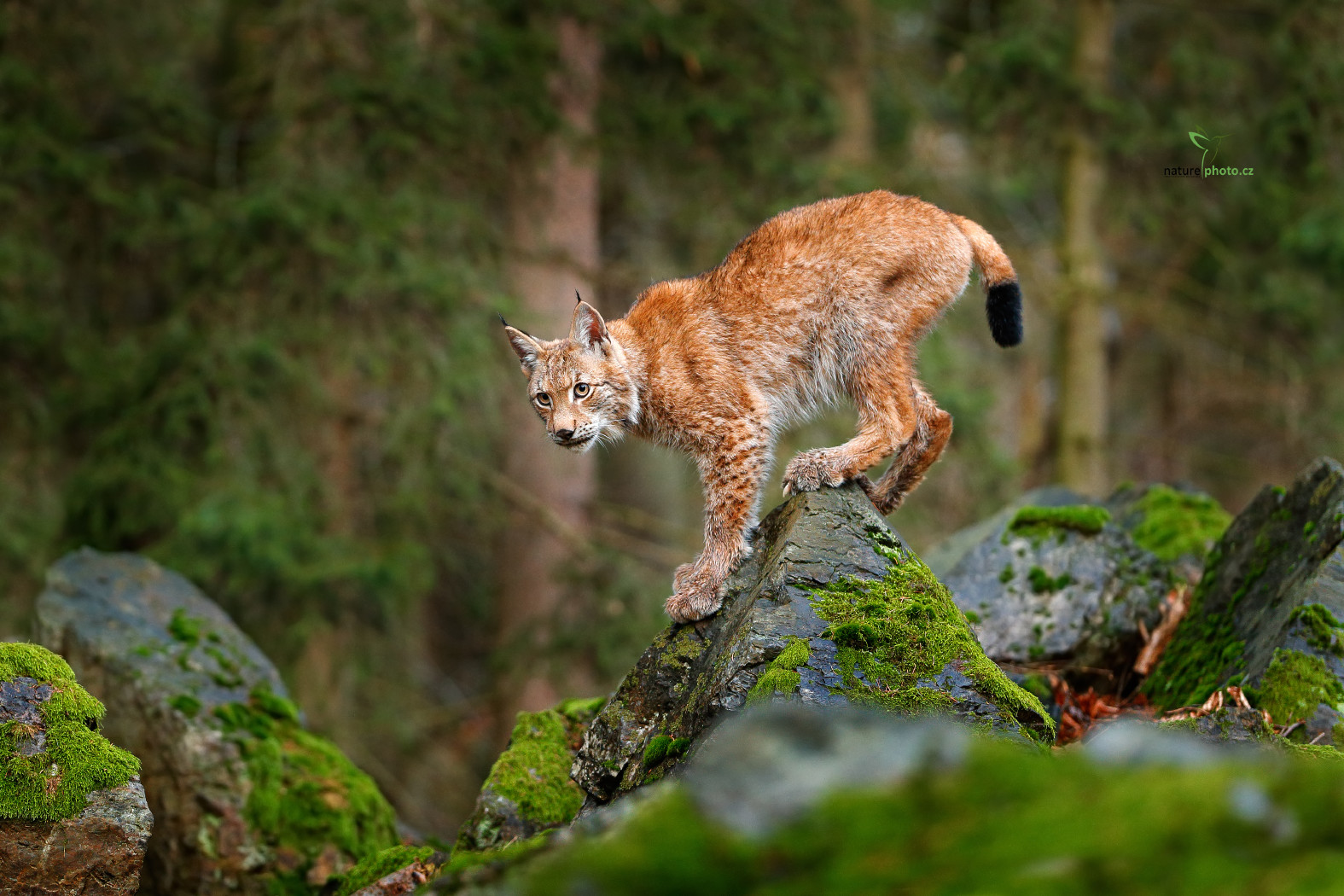
As a predator of small even-toed ungulates such as roe deer and chamois, the lynx plays an important role in our ecosystem. Together with the wolf, it sits at the very top of the food chain and fills an ecological niche that is occupied by no other animal in Western Europe: each week, a lynx consumes approximately one roe deer or one chamois. Roe deer and chamois, in turn, preferentially feed on young trees and shoots, especially in winter.
If too many ungulates live in a forested area, the forest has little chance of regenerating. By regulating ungulate populations, lynx and wolf promote the natural regeneration of the forest. Structurally diverse forests stocked with both old and young trees provide habitat for a wide variety of animals. They also protect us from natural hazards and offer us an attractive recreational space.
The Lynx Concept divides Switzerland into 16 wildlife zones. In these zones, the federal government and cantons assess how lynx populations, wildlife, and forest regeneration influence one another.
Today, Switzerland is home to the only contiguous, significant lynx populations in the Alpine region. Switzerland therefore bears a special responsibility across Europe for the conservation and protection of this species.
More on the subject of recreational hunting: In our dossiers on recreational hunting gather fact-checks, analyses and background reports. The scientific evidence is presented in the overview Studies on the Effects of Recreational Hunting.
The position of IG Wild beim Wild: IG Wild beim Wild rejects recreational hunting. Our model is the canton of Geneva, which has managed without recreational hunting since 1974: without hunting seasons, without hunting dogs, without driven hunts, without high seats, without the animal cruelty and crime that go hand in hand with hunting season elsewhere. What has worked there for over fifty years disproves every position paper by JagdSchweiz. An association that bases its policy on claims it refutes in its own documents is not a professional organisation, but a factory for misinformation.