Zurich Zoo kills ten geladas
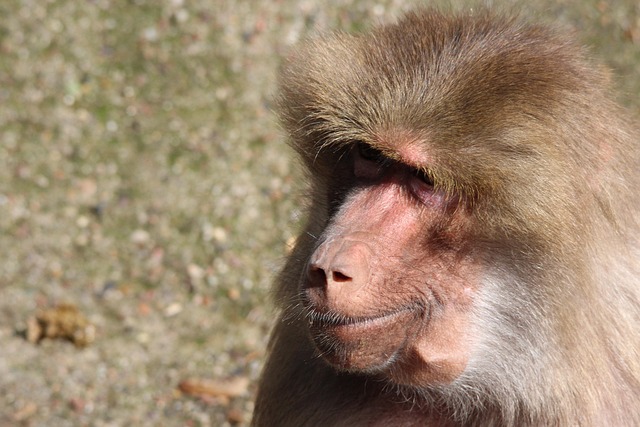
Last week, Zurich Zoo killed ten healthy geladas (blood-heart baboons). The official reason given was that the population had grown to 48 animals, and no spaces could be found in other zoos across Europe. The international wildlife conservation organization Pro Wildlife has strongly criticized the decision, and the case raises fundamental questions about the treatment of wild animals in captivity.

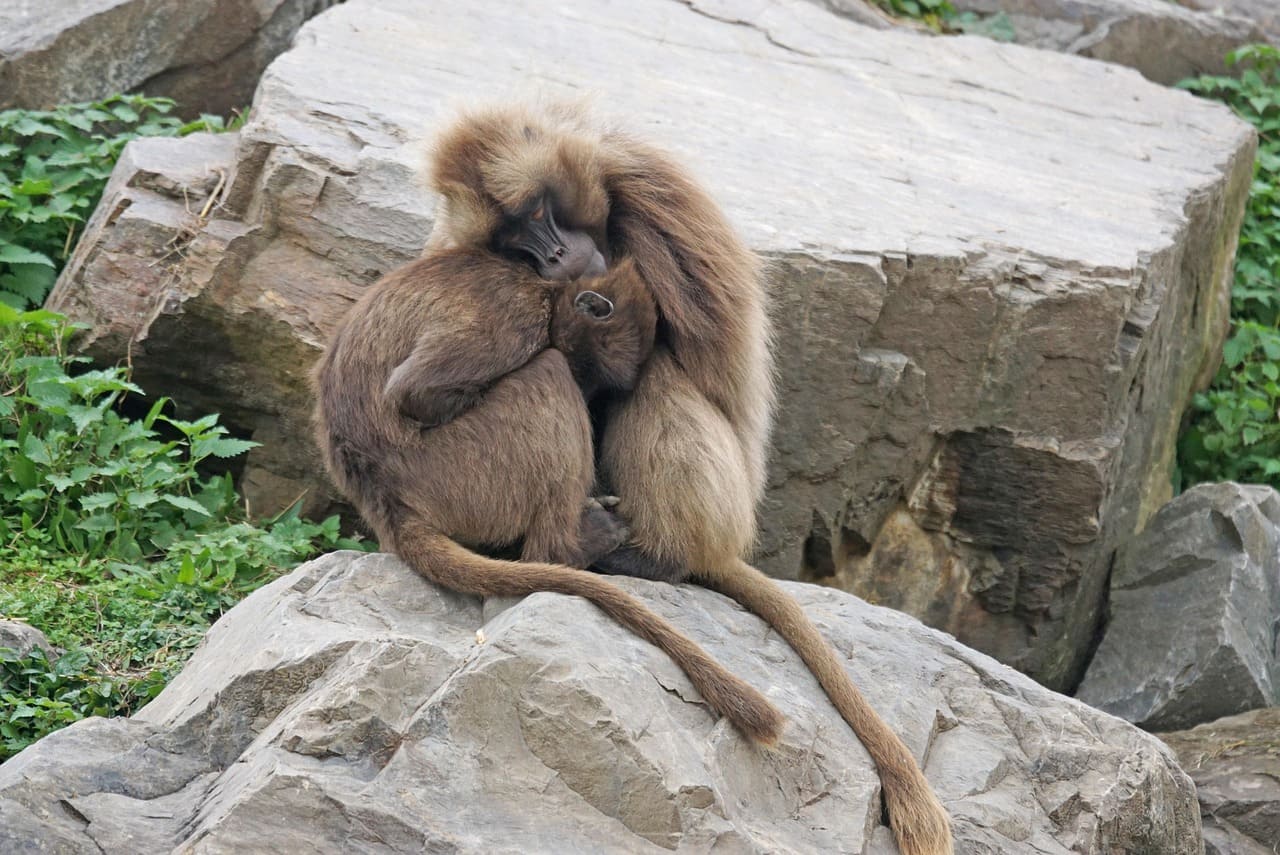
Last week, Zurich Zoo killed ten healthy geladas (blood-heart baboons). The official reason given was that the population had grown to 48 animals, and no spaces could be found in other zoos across Europe. The international wildlife conservation organization Pro Wildlife has strongly criticized the decision, and the case raises fundamental questions about the treatment of wild animals in captivity.
“What we experienced in Nuremberg is now being repeated in Zurich,” says Laura Zodrow of Pro Wildlife. “Healthy animals have to die because zoos continue breeding without a plan for what to do with the animals. This has nothing to do with species conservation.”
What Swiss law says
Unlike in Germany, Austria, or Luxembourg, the Swiss Animal Welfare Act (TSchG) does not explicitly prohibit the killing of healthy animals without reasonable cause . Only cruel and deliberate killing is punishable, not the humane killing of healthy animals as long as it is painless. While Zurich Zoo is therefore formally acting legally, Swiss law leaves a significant loophole in animal protection.
The Foundation for Animal Law (TIR) criticizes precisely this gap: Killing an animal without objectively justifiable cause contradicts the protection of animal dignity, which is explicitly enshrined in the Animal Welfare Act (TSchG), because life is the foundation of all dignity. The TSchG protects the dignity and well-being of animals, but does not explicitly name life itself as a protected purpose – a gap that urgently needs to be closed.
Not an isolated incident, but a systemic problem
Pro Wildlife had already criticized the shooting of Guinea baboons at Nuremberg Zoo and filed a criminal complaint. The parallels are striking: social primates with complex needs, overcrowded enclosures without escape routes, no sustainable breeding concept, and no realistic reintroduction programs.
“This is not an isolated failure, but a systemic problem in the zoo industry,” Zodrow explains. The argument of species conservation only holds water if concrete reintroduction programs exist, which is not the case with geladas.
The parallel to hobby hunting
The Zurich case reveals a logic that wildbeimwild.com knows all too well from the hunting debate: animals are selectively bred and then just as selectively killed when they become "surplus." Both recreational hunting and zoo "population management" justify the killing of healthy animals with supposedly objective necessities: "conservation," "population control," "species management." Behind it all lies the same fundamental problem: humans instrumentalize wild animals and claim the right to decide over their lives.
While recreational hunters claim that without them, wildlife populations would "explode," zoos claim that without culling, the captive population would be "destabilized." In both cases, the problem was created by human intervention, through excessive management or uncontrolled breeding. True conservation looks different: It begins with letting wild animals have their place in nature, instead of "managing" them in captivity.
What is now being demanded
The demands are as follows: The Animal Welfare Act must explicitly enshrine life as a protected purpose, analogous to the German regulations. Zoos should only be allowed to continue breeding once the housing of all offspring is guaranteed. And there needs to be public accountability for "population management" decisions in Swiss zoos.
Sources: Pro Wildlife (press release, March 10, 2026), Animal Law , tierwelt.ch
Further reading