Zoos: Tiger in New York Tests Positive for Coronavirus
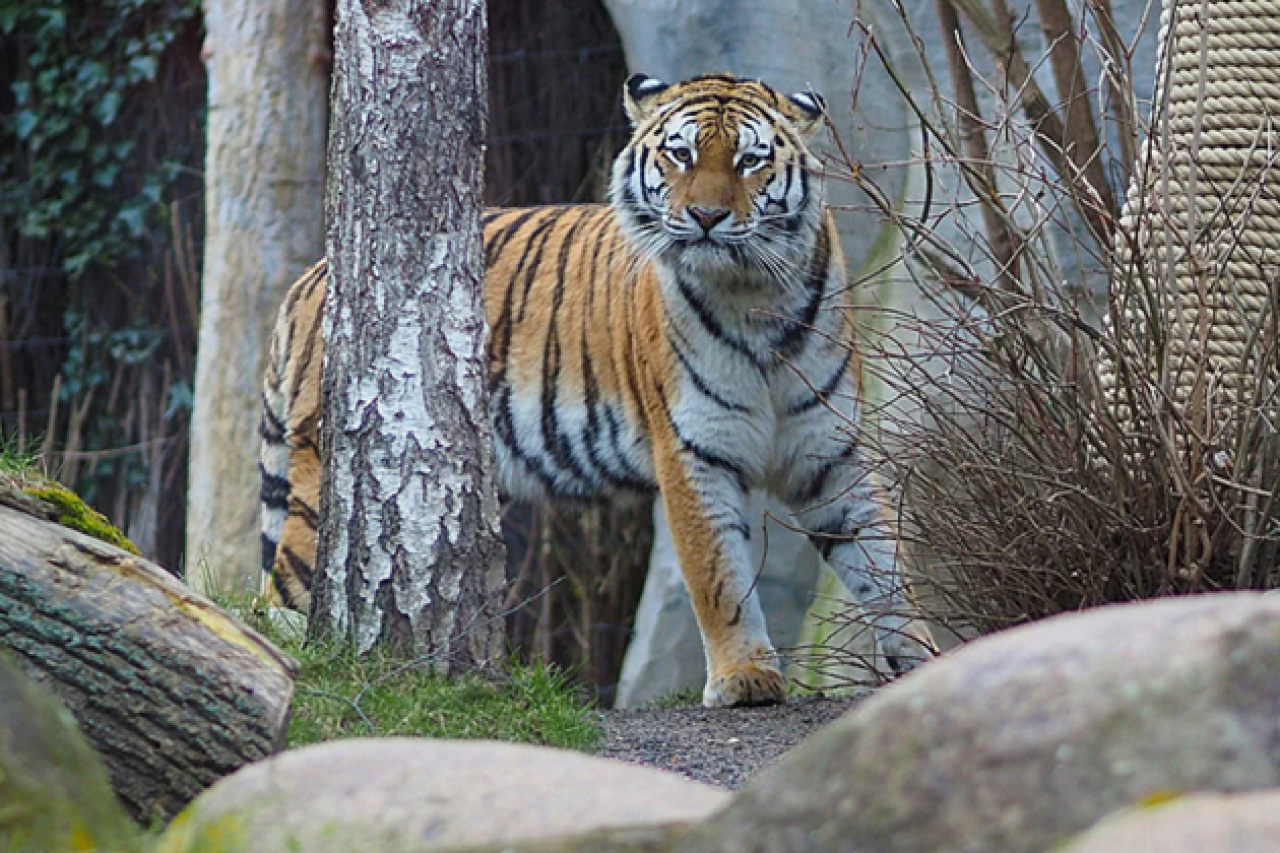
According to a media report, the tigress «Nadia» tested positive for the novel coronavirus at a New York zoo. She and three other tigers as well as three lions are showing symptoms such as a dry cough, breathing difficulties, and loss of appetite. The big cats are believed to have contracted the virus from an infected but asymptomatic zookeeper. Since it now appears confirmed that transmission from humans to wild animals is possible, PETA is urging German zoos to enforce strict hygiene measures during any contact with animals in order to protect them, such as the mandatory wearing of face masks and the disinfection of shoes. Against this backdrop, the animal rights organisation also criticises the demands by zoological institutions for an early reopening and relaxation of restrictions: the risk of visitors also introducing the virus poses a threat to the animals that is currently difficult to assess.

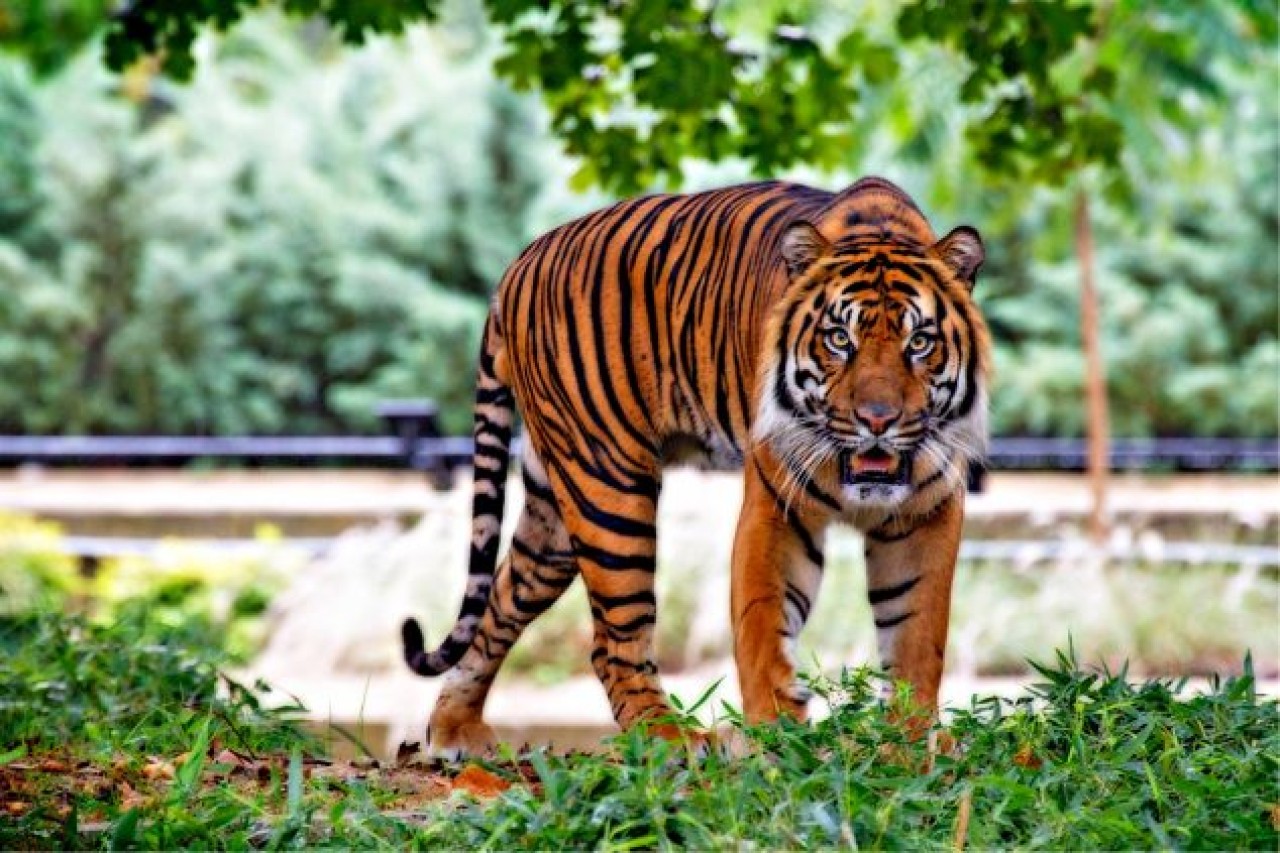
The tigress «Nadia» was, according to a media report, tested positive for the novel coronavirus at a New York zoo.
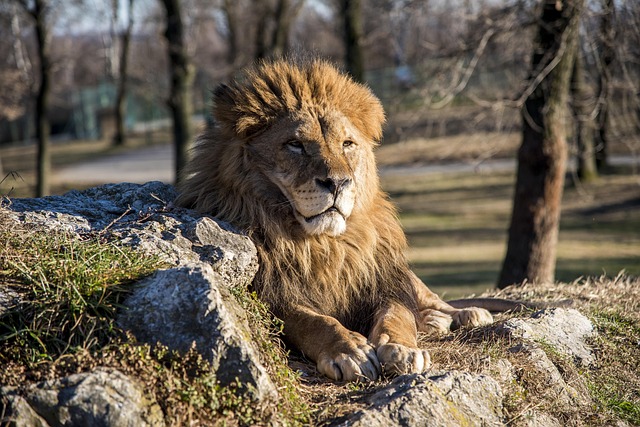
She and three other tigers as well as three lions are showing symptoms such as a dry cough, breathing difficulties, and loss of appetite.
The big cats are believed to have contracted the virus from an infected but asymptomatic zookeeper. Since it now appears confirmed that transmission from humans to wild animals is possible, PETA is urging German zoos to enforce strict hygiene measures during any contact with animals in order to protect them, such as the mandatory wearing of face masks and the disinfection of shoes. Against this backdrop, the animal rights organisation also criticises the demands by zoological institutions for an early reopening and relaxation of restrictions: the risk of visitors also potentially introducing the virus poses a threat to the animals that is currently difficult to assess.
“As the case from New York shows, transmission of the novel coronavirus from human to animal is possible for at least some animal groups, such as big cats. Scientists are also urgently warning of the dangers of infection in great apes”, says biologist Dr Yvonne Würz, PETA’s expert adviser on animals in the entertainment industry. “We therefore strongly appeal to all German zoos to ensure, at the latest now, that the risk of infection for captive wild animals is minimized through strict hygiene measures in animal care."
In New York, all four zoos are closed due to the coronavirus pandemic. The US East Coast metropolis is the most severely affected area in the United States.
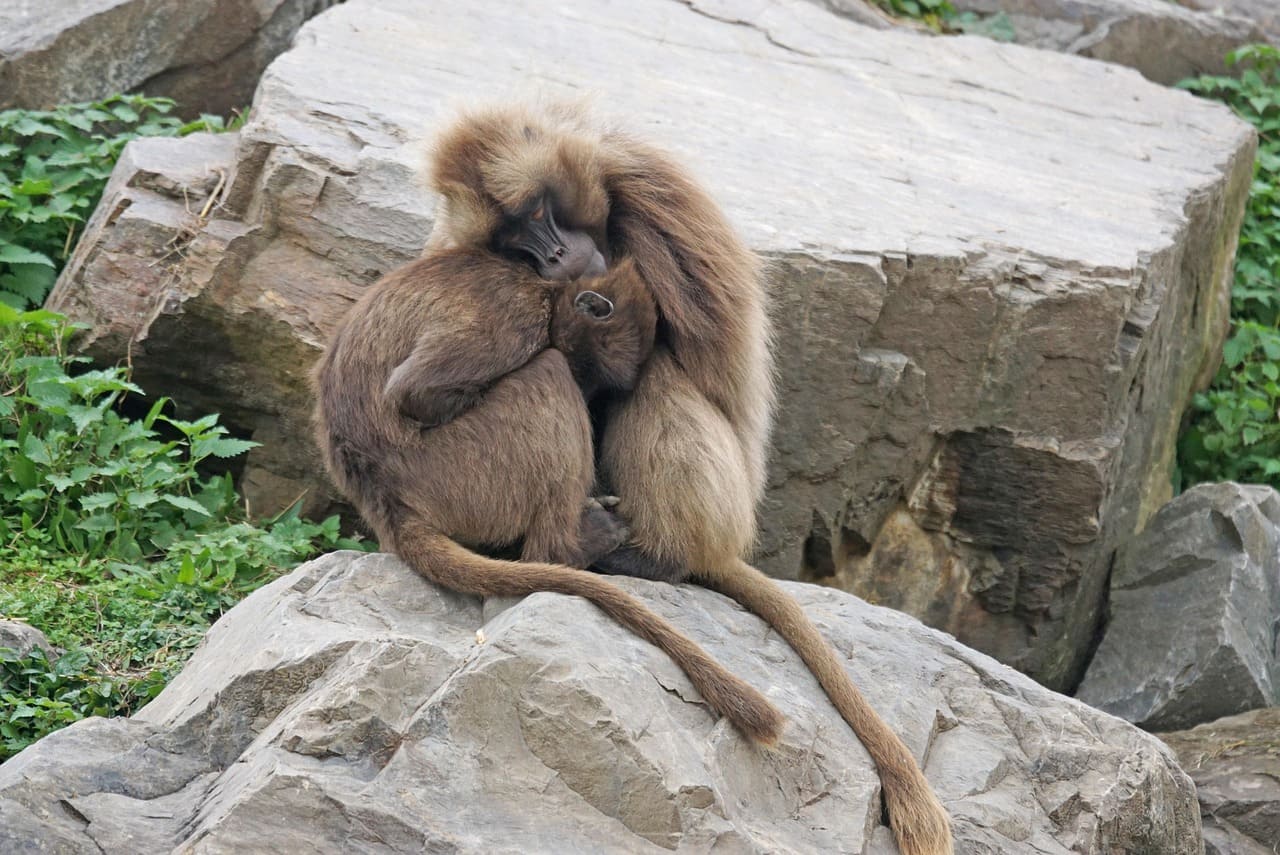
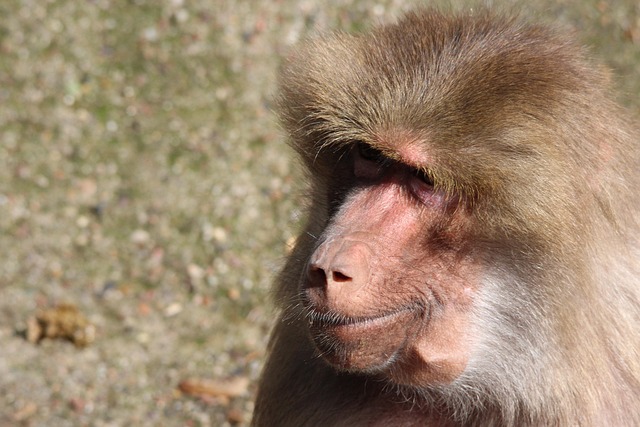
Scientists assume that great apes can also be infected with SARS-CoV-2. As the closest relatives of humans, these mammals are also susceptible to other human respiratory pathogens. In recent years, great apes in zoos have died from infectious diseases on multiple occasions. Since pathogens that cause only mild symptoms in humans have often proved fatal to great apes, Covid-19 could be particularly dangerous for them. To avoid any risks, zoos have a responsibility to take the virus seriously and implement appropriate protective measures in all areas.
Species-appropriate keeping of animals in captivity such as zoos is impossible
Animal welfare advocates point out that no zoo enclosure, however large or visually appealing it may be, comes even close to replicating the animals' natural habitat. As a result, many animals fall ill, develop behavioral stereotypies, or die far earlier than their counterparts in the wild. Particularly for endangered groups such as great apes, bears, or big cats, zoos are also rarely able to demonstrate long-term successful reintroductions — animals cannot easily learn, or cannot learn at all in captivity, the behaviors essential for survival in the wild. Zoos therefore make virtually no contribution to species conservation; this is also evident when comparing donations to field projects (in-situ conservation projects) with the resources expended by zoological institutions to keep a small number of animals in captivity and exhibit them to paying audiences: While millions in taxpayer funds typically flow into breeding programs and cost-intensive zoo construction projects, donations to organizations carrying out genuine species conservation in the natural habitats of endangered species are vanishingly small.