Number of rhinos rises for the first time since 2012
According to estimates by African states, there were more rhinos in Africa last year for the first time in a decade. The population had been declining annually since 2012.

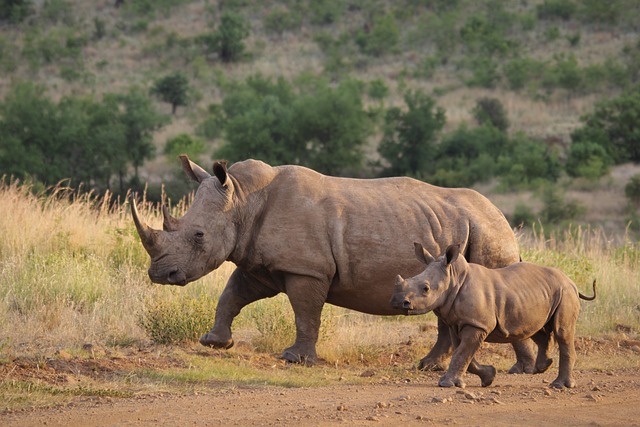
This year, according to estimates by African states, there were once again more rhinos.
The population is said to have grown by five percent to approximately 23’300 individuals, reported the International Union for Conservation of Nature (IUCN) on World Rhino Day on Friday. Nevertheless, the animals remain threatened by poaching.
Last year, at least 551 rhinos were illegally killed in Africa, according to the IUCN. The problem is greatest in South Africa, which is home to the largest rhino population.
Animals are hunted for their horns
The animals are hunted for their distinctive horns. Contrary to all scientific studies, the material is widely believed, particularly in Asia, to have healing properties or to enhance potency. The horn is composed of keratin, the same substance as fingernails.
The number of white rhinos (Ceratotherium simum) has risen for the first time since 2012 according to the collected data, reaching approximately 16’800. The number of black rhinos (Diceros bicornis) also increased, to around 6’500. The IUCN attributes this to improved conservation measures.
“With this good news, we can breathe a sigh of relief for the first time in ten years,” said Michael Knight, Chair of the IUCN African Rhino Specialist Group. “However, it is essential to consolidate and build on this positive development and not become complacent.”
Rhinos important for biodiversity
Rhinos are important for biodiversity because they help secure habitats for other animals, according to the IUCN. In addition, local communities can create jobs by attracting tourists with rhinos as a draw.
The IUCN is an umbrella organisation whose members are active in the field of nature conservation. These include, among others, states as well as governmental and non-governmental organisations.
| You can help all animals and our planet through compassion. Choose empathy on your plate and in your glass. Go vegan. |