






Context: hobby hunting in Switzerland
This section provides context on the IG Wild beim Wild platform and places the articles published here on hobby hunting in Switzerland in perspective.
Why we take a critical view of hobby hunting
In short: Wild beim Wild is an independent platform for fact checks, research and background analysis on hunting in Switzerland. We examine claims, contextualise sources and show what data, studies and applicable hunting law actually reveal.
Why does Wild beim Wild exist?
The debate around hobby hunting is highly politicised in Switzerland. Figures, individual cases and studies are often used selectively, sometimes without context or with abbreviated conclusions. This is exactly where Wild beim Wild comes in: we make statements verifiable, identify uncertainties and draw a clear distinction between facts, interpretation and assessment. This provides orientation in an emotionally charged debate around hobby hunting.
What stance does the platform take?
Wild beim Wild criticises hobby hunting as a practice that is problematic for society and for animal welfare law. We argue using verifiable sources, documented cases, official data on crime and hunting as well as research literature. The aim is a transparent debate on whether and in what form hobby hunting fits into a modern nature conservation policy.
Why is Geneva a model free of hobby hunting?
The canton of Geneva is Switzerland's central reference case for the fact that a region can function without hobby hunting. Since the ban on private hobby hunting, the state has taken over the necessary wildlife management there. Where interventions are required, they are carried out by cantonal specialist agencies and game wardens, with clear rules, transparency and oversight. For wild animals this means less leisure-related disturbance from hobby hunting, for the public more accountability, and for policymakers a real-world model that demonstrates: the abolition of hobby hunting is practically feasible.
How do I recognise a fact check?
A fact check responds to a clearly formulated claim. We show where it comes from, what data exists on it and what conclusion follows from it. Not every topic allows for a simple yes-or-no answer. In such cases we identify the limits of the available data and explain the necessary assumptions. This methodology deliberately differs from opinion-driven pieces on hobby hunting.
Which topics does Wild beim Wild cover?
The focus is on hunting policy, hunting law, kills, animal suffering, animal rights, enforcement practice, wildlife management and the role of authorities and associations. Content is bundled into thematic dossiers so that recurring political initiatives can be placed in context more quickly.
Why do you speak of predators?
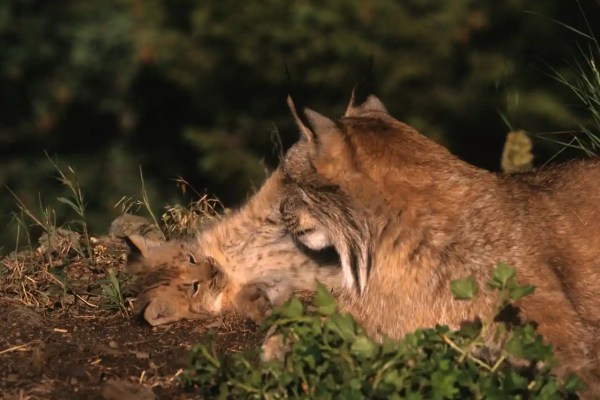
Terms shape perception. The expression predators functionally describes what animals such as the wolf or lynx biologically are, without activating images of threat. This linguistic precision is central to the debate around predators in Switzerland: wolf, lynx, fox and coexistence.
How do you approach protection and coexistence?
We distinguish between protection status, management instruments and actual conflicts. Coexistence is a matter of planning, prevention, funding and enforcement. We analyse which measures demonstrably work and how political decisions come about, for instance in dealing with wild animals and livestock farming.
Is this a news site or a dossier project?
Both. Alongside current articles, we are building up long-term collections of knowledge. Dossiers provide a structured entry point and help to recognise and place recurring arguments in hunting policy more quickly.
How do you ensure transparency?
We cite sources, link to original documents and separate opinion from verifiable statements. When the body of research on hobby hunting is only of limited reliability, we say so openly. Particularly with kills, population figures or damage reports, context is crucial to avoid misinterpretations.
How can I make sensible use of the platform?
For the public, media and politics it offers orientation in a complex, emotionally charged topic. Use current articles to place events in context and open the dossiers for the bigger picture. For political discussions we provide verified sources and argumentation aids, such as template texts for motions in cantonal parliaments.