Wuhan: Eating and hunting of wild animals banned
Along with the consumption ban, the Chinese city is set to become a “nature reserve” in which virtually all hunting of wild animals is prohibited

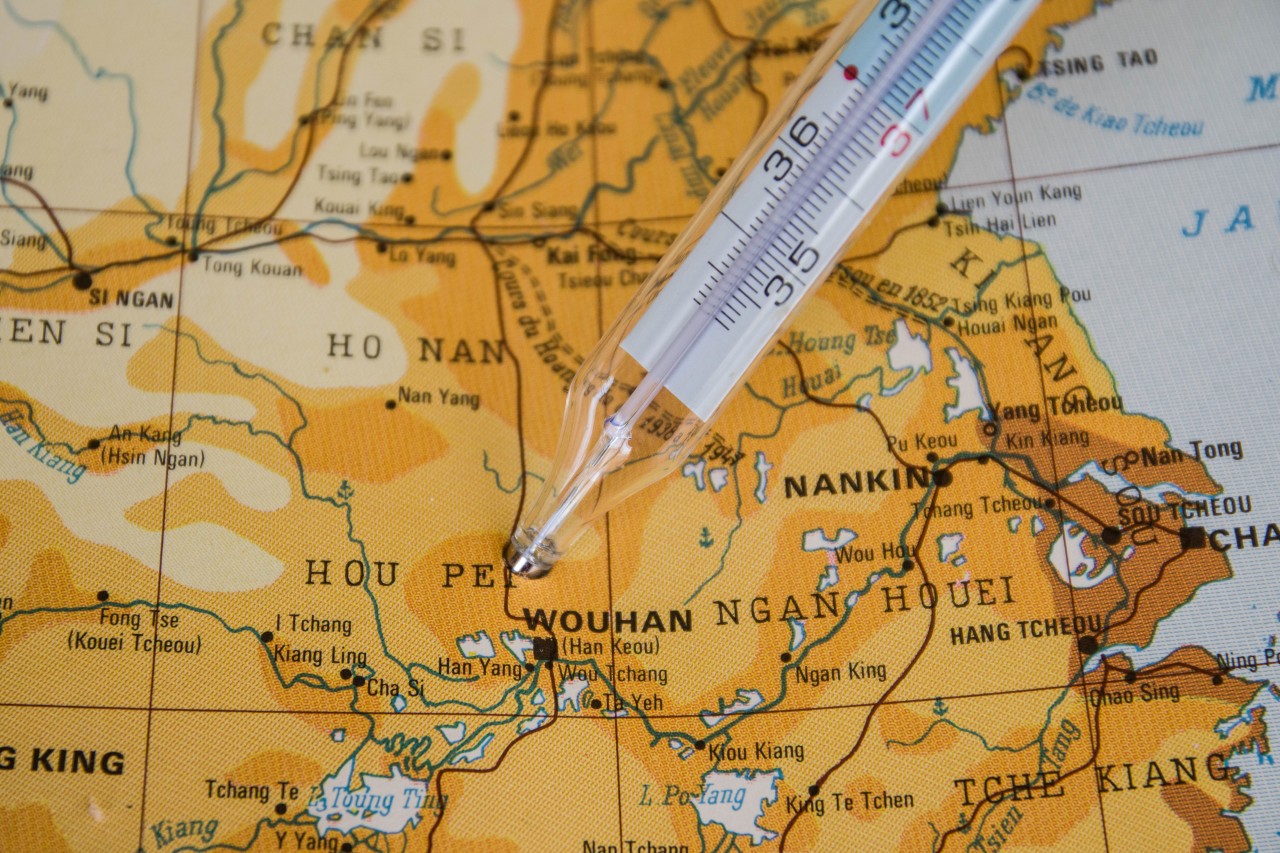
Authorities in Wuhan, the epicentre of the coronavirus pandemic in China, have now officially banned the eating of all wild animals.
The local administration in the Chinese city announced on 20 May 2020 that Wuhan would, along with the consumption ban, become a «nature reserve» in which all forms of recreational hunting of wild animals would be prohibited, with the exception of measures for scientific research, population management and disease surveillance, and other special circumstances.
Coronavirus spread at wildlife market
The novel coronavirus had spread at the end of 2019 at a market in Wuhan where wild animals such as bats and pangolins were sold. The virus may have jumped to humans from such animals. Wuhan, Shanghai and other major cities have now banned the consumption of wild animals. Several provinces have also adopted plans to curb recreational hunting, breeding and trade in wild animals.
Overall, researchers agree that the most plausible explanation is that the virus made the jump from an animal to a human in a “zoonotic spillover” event. China has been under pressure from the international community to crack down on its illegal wildlife trade, after it was linked to the emergence of zoonotic diseases.
The global death toll from coronavirus stood at 318’789 people, according to the World Health Organization. More than 4.7 million people had been infected worldwide.
Wuhan bans wildlife trade for five years
In February, China imposed an unprecedented temporary nationwide ban on all trade and consumption of wild animals, including exotic species bred on farms.
The Wuhan ban currently lasts five years. Similar bans exist in the cities of Beijing, Shenzhen, and Zhuhai, but there they were enacted permanently.
Dr. Peter Li, specialist in China policy at Humane Society International, said: «Wuhan's ban on the consumption of wild animals is extremely welcome, as it is clear that the public health risk of the spread of zoonotic diseases through the wildlife trade must be taken very seriously if we are to avoid a new pandemic. These bans must now also be implemented in other countries.» More on the animal welfare issue of the wildlife trade on wildbeimwild.com.
More on the subject of recreational hunting: In our dossiers on the criticism of recreational hunting gather fact-checks, analyses and background reports. The scientific evidence is presented in the overview Studies on the Effects of Recreational Hunting.
The position of IG Wild beim Wild: IG Wild beim Wild rejects recreational hunting. Our model is the canton of Geneva, which has managed without recreational hunting since 1974: without hunting seasons, without hunting dogs, without driven hunts, without high seats, without the animal cruelty and crime that go hand in hand with hunting season elsewhere. What has worked there for over fifty years disproves every position paper by JagdSchweiz. An association that bases its policy on claims it refutes in its own documents is not a professional organisation, but a factory for misinformation.