World Ranger Day: Maasai Rangers Return to Their Families
For four months, Covid-19 measures prevented the Maasai rangers of Team Lioness from visiting their families. On World Ranger Day, they finally return home.

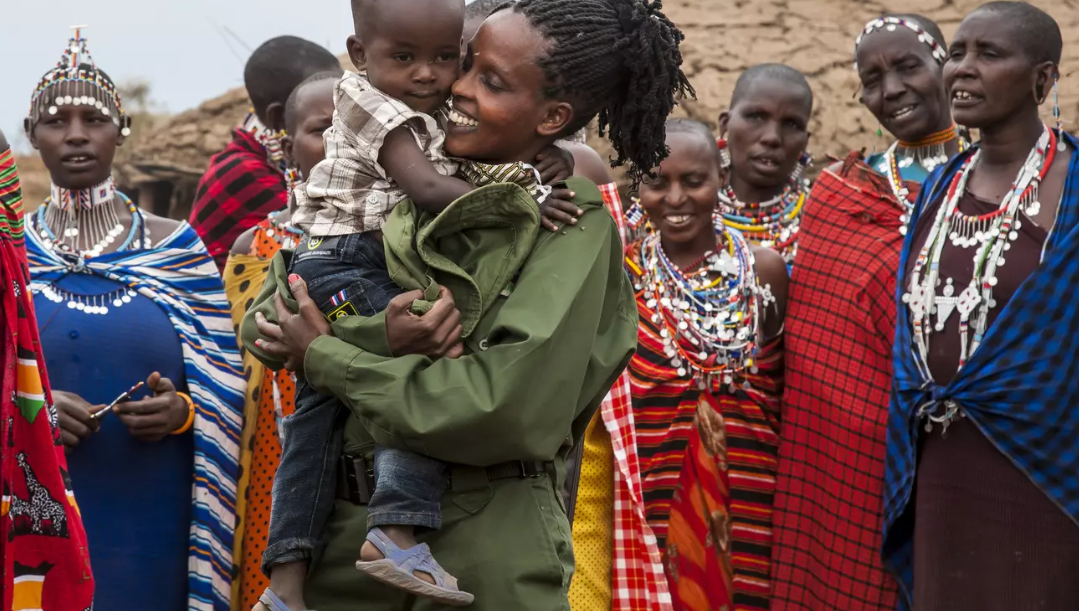
For four months, Covid-19 measures in Kenya prevented the rangers of Team Lioness from travelling home to their children and families. Now, at last, the first female Maasai rangers are being allowed to visit their villages in rotation on World Ranger Day.
“This World Ranger Day is a very special one: we should remember all the men and women who had to remain at their sometimes remote posts for months on end, with no opportunity to see their families and friends” said James Isiche, IFAW Regional Director for East Africa. “They did this to continue protecting wildlife, which is also more threatened than usual due to the circumstances of the Covid-19 pandemic..“
Among these rangers is Team Lioness of IFAW (International Fund for Animal Welfare): eight women aged between 20 and 28 who work as Community Wildlife Rangers in and around Kenya's Amboseli National Park. They are the very first team of female rangers in the strongly patriarchal Maasai community.
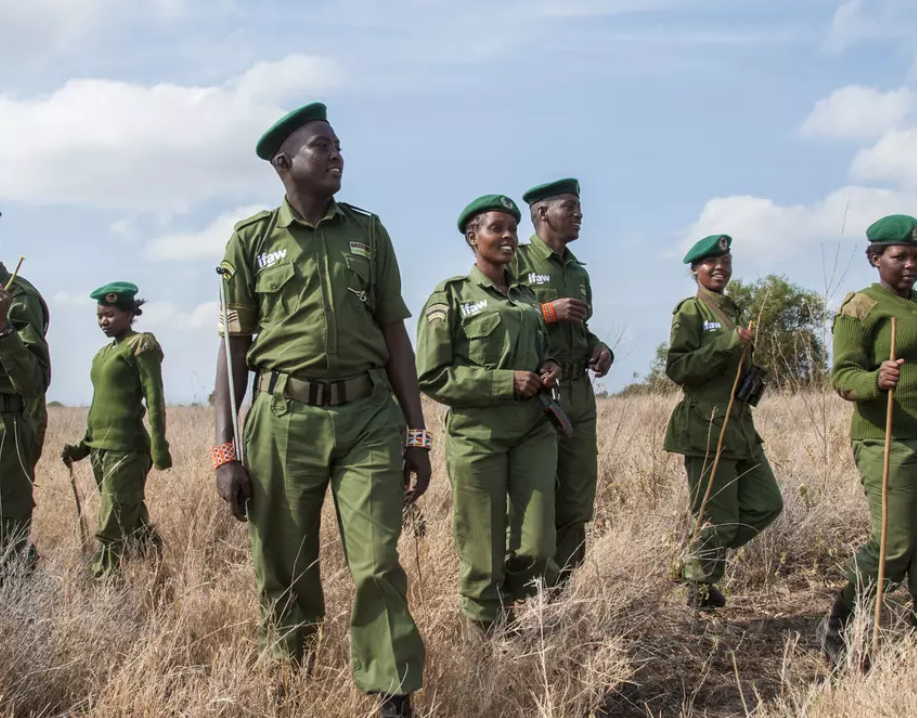
The work of Team Lioness and the rest of a 76-strong group of rangers in the Amboseli ecosystem is funded by IFAW. Since 2012, IFAW has been working with one of the local Maasai communities to secure 26,000 hectares of habitat for the migration and dispersal of wildlife. IFAW has transformed this land into the Kitenden Community Wildlife Conservancy, whose goal is to provide communities with a livelihood through tourism development and investment, while creating a protected area for wildlife.
The rangers are constantly threatened – by armed hunters or poachers on the hunt and sometimes also by wild animals. Due to the collapse of tourism, wildlife authorities in the region, including Kenya, have had to scale back their work owing to revenue losses. With regular patrols no longer taking place, the risk of poaching has increased. As a countermeasure, the IFAW has stepped up Community Ranger patrols, which means rangers are often separated from their families for long periods.
The IFAW supports rangers in Africa and the Middle East, in India and China. Given the catastrophic decline in tourist numbers due to the COVID-19 pandemic, many of these countries now lack the revenue from national parks and protected areas to fund their rangers.
The IFAW supports more than 350 rangers in the field with protective equipment, food rations, and additional fuel so that rangers can patrol areas hundreds of kilometres from their bases. In addition, more than 2,350 protective items such as masks, gloves, and disinfectant have been distributed.
Background: World Ranger Day on 31 July commemorates the important work of women and men around the world who dedicate themselves as rangers to protecting the natural and cultural heritage of our planet.