World Animal Day
October 4th is World Animal Day. Despite growing awareness, over 80 million animals are killed in Switzerland every year.


October 4th is International World Animal Day.
The day traces back to the German animal welfare advocate and writer Heinrich Zimmermann. He was born in 1888 and campaigned for better treatment of animals.
For many years he called for the establishment of a dedicated day for animal welfare. On 8 May 1931, the time had finally come. At the International Animal Protection Congress in Florence, the first international “World Animal Day” was proclaimed for 4 October. The date of October 4th was chosen because it is the feast day of Francis of Assisi.
Francis of Assisi — founder of the Franciscan Order and patron saint of animals — regarded animals as living creatures of God and as brothers of humanity. More importantly, however, Francis of Assisi lived and tirelessly preached the idea of the unity of creation, in the sense of the equality of all before God and among one another. Even the smallest worm he considered to be willed by God and therefore worthy of protection. On 4 October 1228, two years after his death on 3 October 1226, he was canonised.
On the occasion of World Animal Day on 4 October, there is an urgent need for a change of course in the way wildlife is treated. The connection between the climate crisis, the pandemic spread of zoonotic diseases (illnesses such as COVID-19, which are transmitted from animals to humans), the intensification of global factory farming, species extinction, and biodiversity loss, and the exploitation of wildlife by recreational hunters is plain to see. The question of animal welfare should become a question of animal rights and, more importantly, a central question for the future.
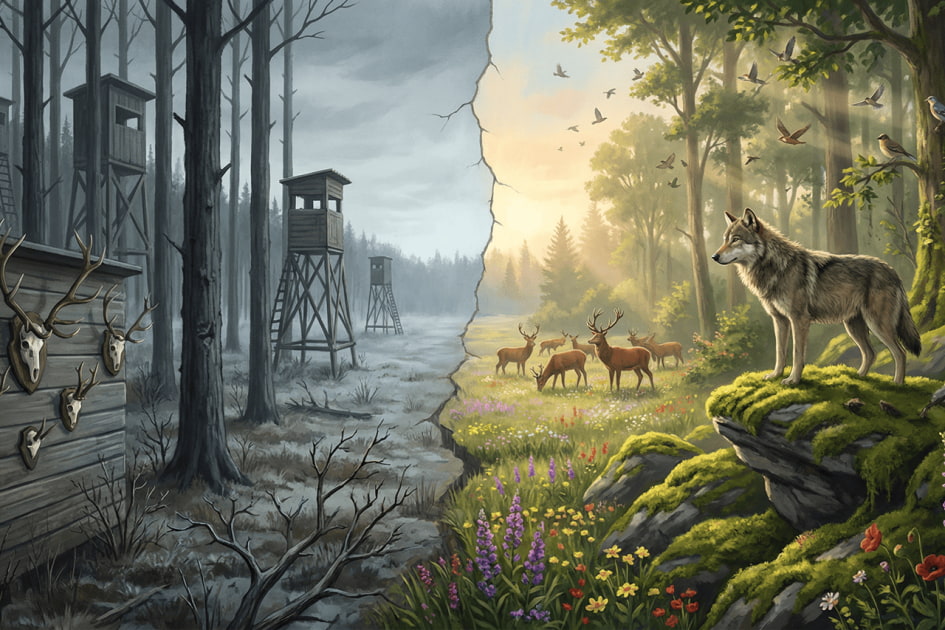
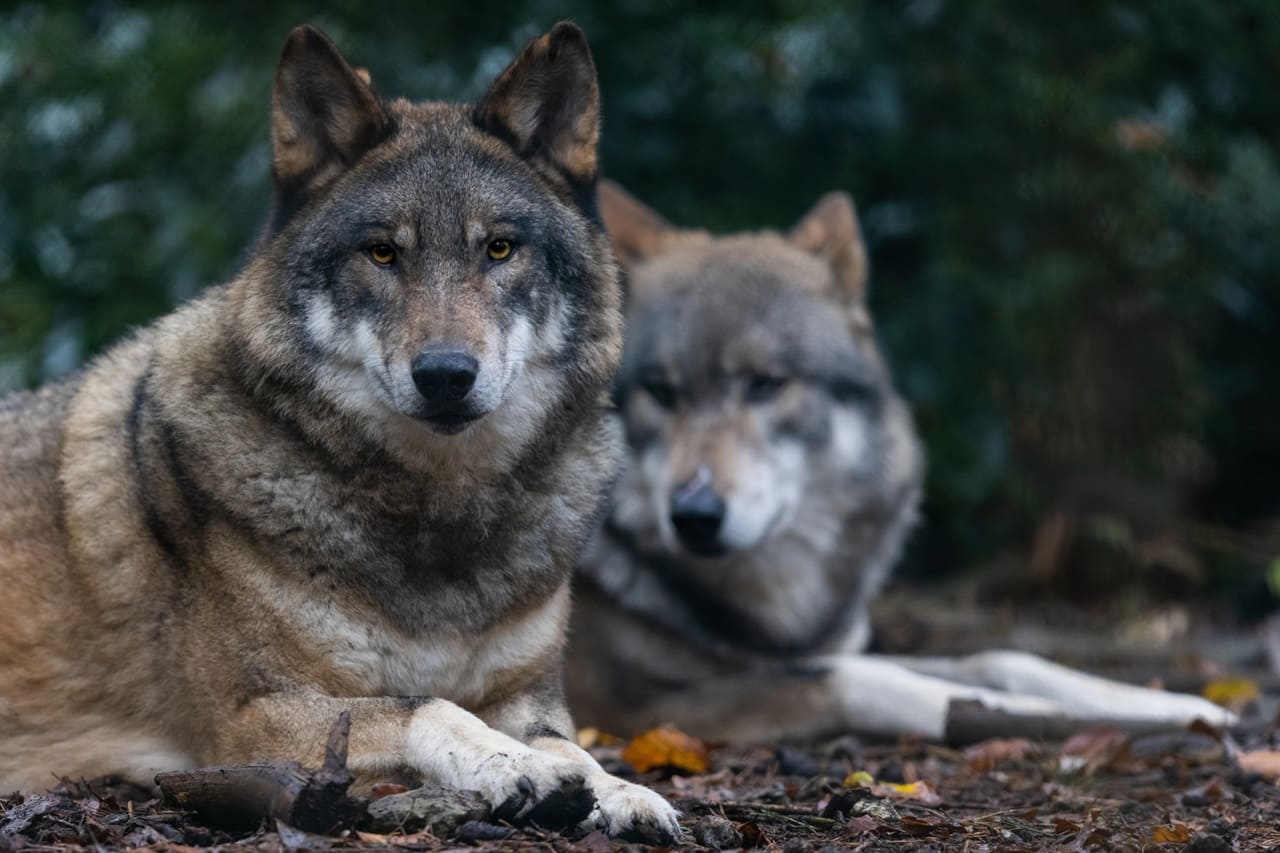
No sooner have a few specimens important to the ecosystem — such as the lynx or the wolf — returned to the country than recreational hunters and other animal exploiters are already overwhelmed. Loudly and across the land, they demand killing opportunities and the right to shoot these animals, pushing for revisions to hunting laws.
In their natural state — that is, where recreational hunters have not disrupted life and biodiversity in nature — wildlife populations exist that adapt dynamically. Predators, harsh winters, and similar factors ensure that mass population explosions do not occur. Recreational hunters, however, continue to this day to cause a catastrophic imbalance in nature. The artificially inflated populations of ungulates they breed up also endanger, for example, the protective forests in mountain regions.
Hunting claims to be something it simply is not. Recreational hunting as practised today is not a centuries-old craft, tradition, or culture.
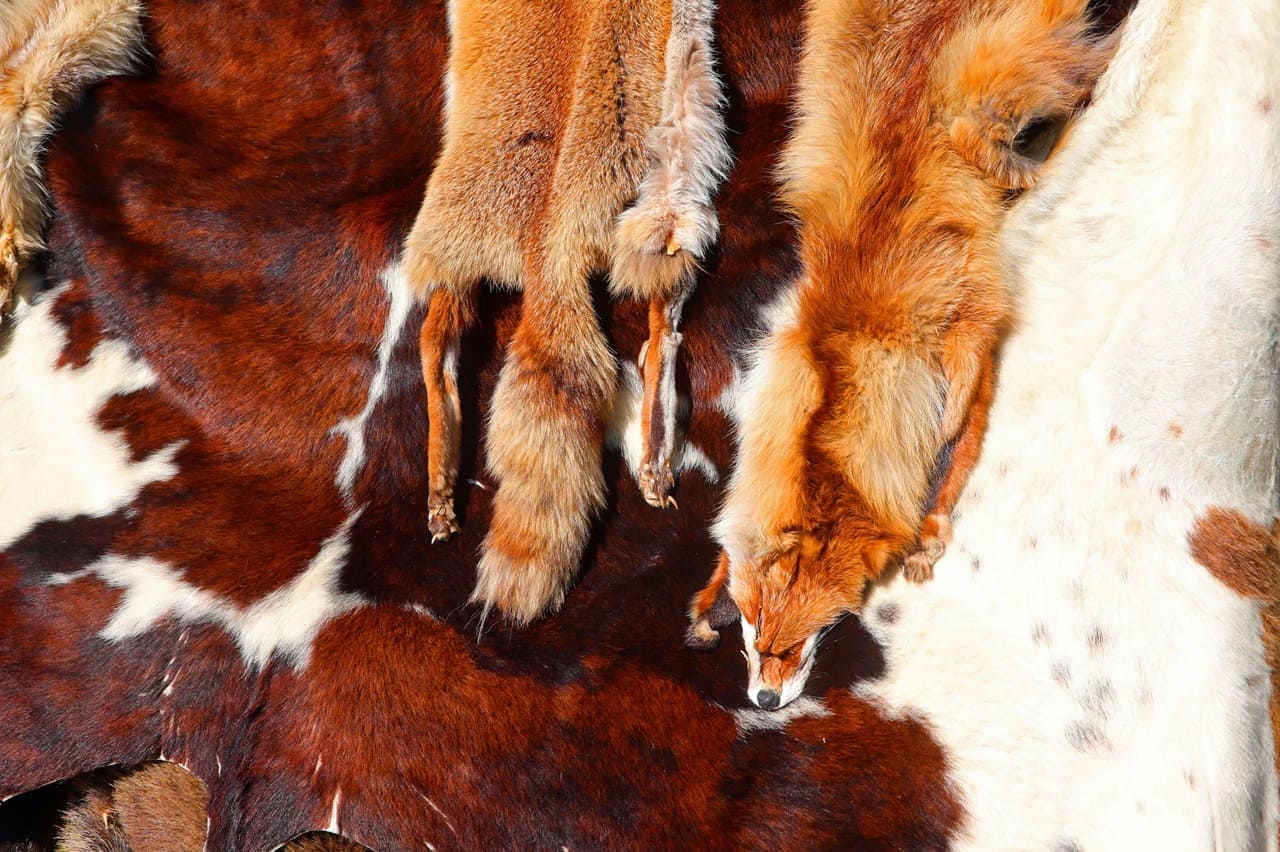
Recreational hunters (with the exception of vivisection) inflict the most suffering and abuse on animals, particularly through the manner in which they kill.
For decades, hunting has stood in sharpest contradiction to an enlightened, scientific, and ethical understanding of nature and animals. Wild animals are God-given living beings that cannot simply be harvested like vegetables or fruit under the guise of a misguided experience of nature. Moreover, wild game meat is harmful to health.
Those who kill senselessly do not protect, and it serves civilised society nothing. Today's hunting, with all its animal cruelty, is in the majority of cases carried out NOT! in the interest of society, nature, biodiversity, or the cultural landscape.
Animal products are not a matter of course; their consumption is often far more harmful than is transparent to consumers. Promoting plant-based nutrition may be the key to far-reaching systemic change that protects people, animals, and the environment.
More on the subject of recreational hunting: In the dossier The Role and Criticism of Recreational Hunters we shed light on the training, power and self-image of recreational hunters. The scientific evidence is presented in the overview Studies on the Effects of Recreational Hunting.
The position of IG Wild beim Wild: IG Wild beim Wild rejects recreational hunting. Our model is the canton of Geneva, which has managed without recreational hunting since 1974: without hunting seasons, without hunting dogs, without driven hunts, without high seats, without the animal cruelty and crime that go hand in hand with hunting season elsewhere. What has worked there for over fifty years disproves every position paper by JagdSchweiz. An association that bases its policy on claims it refutes in its own documents is not a professional organisation, but a factory for misinformation.