Study: Wolves are more social than dogs
Wolves are more social with one another than dogs raised in a pack.


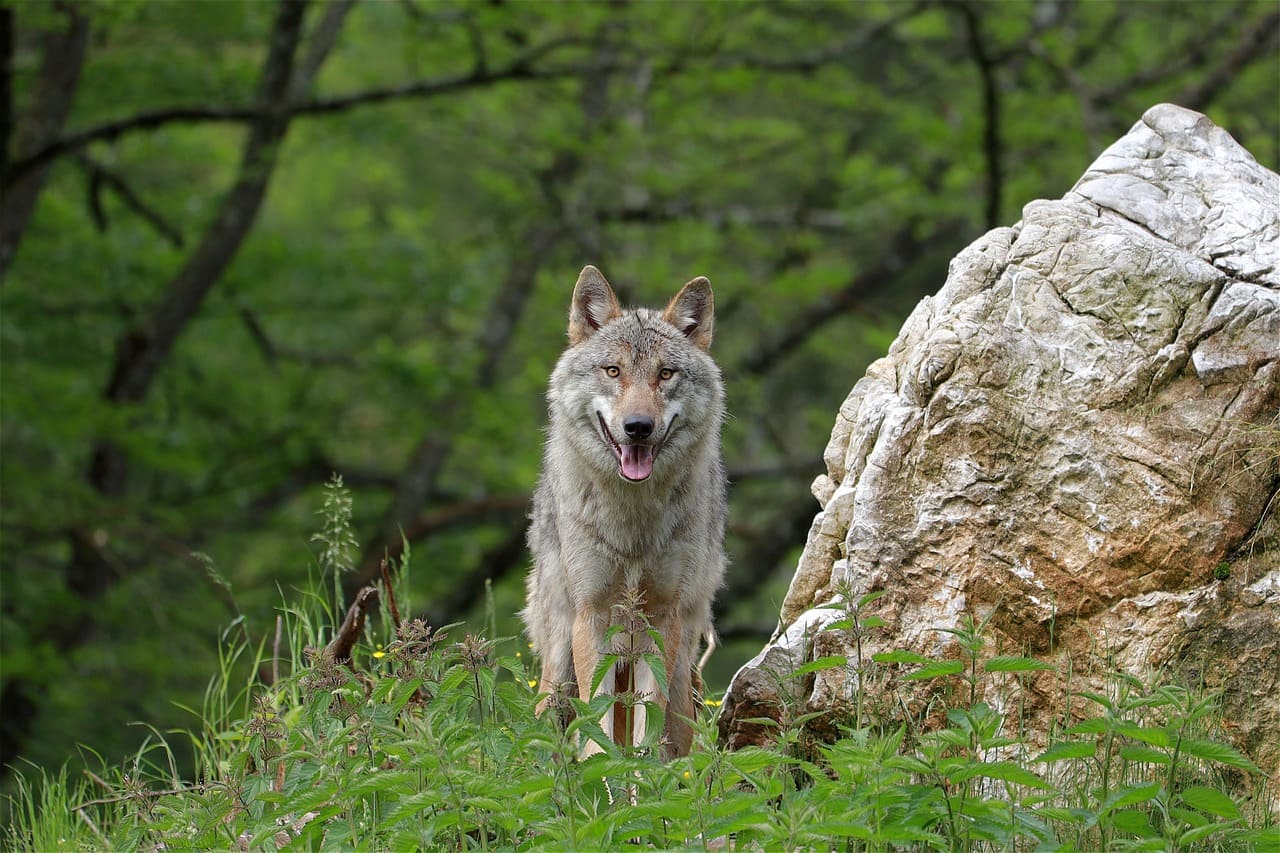
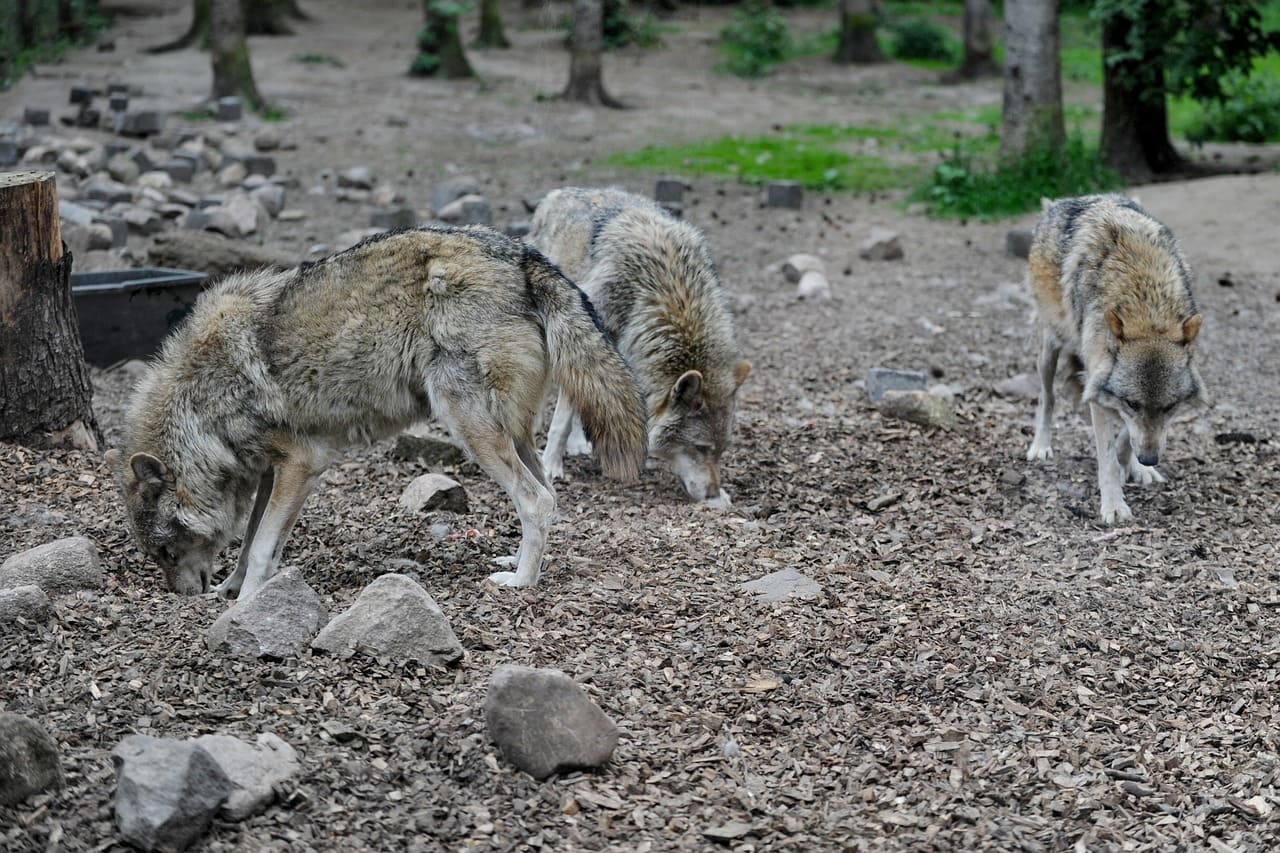
Scientists have compared the behaviour of dogs raised in packs with that of wolves. The results showed that the social instinct is significantly more pronounced in the wilder ancestors.
Scientists at the Wolf Science Center in Vienna trained both wolves and dogs to press a symbol on a screen with their snouts for the study. This caused food to drop into the adjacent enclosure of a fellow member of their species. However, the animal pressing the symbol received nothing itself.
In the selflessness test, wolves came out on top, as the researchers report in the journal “Plos One”. At least when the animal next door came from the same pack, the predators frequently pressed the “giving” symbol. When the wolf next door was a stranger, however, interest waned.
Dogs, on the other hand, showed little interest in providing their fellow animals with food. According to the study, it made no difference whether they knew the dog next door or not.
Inherited, not learned
In the view of the scientists, the results suggest that dogs do not learn their cooperative behaviour through interactions with humans, but have instead inherited it from their wild ancestors.
“The study shows that domestication has not necessarily made dogs more social.” “Rather, tolerance and generosity towards fellow members of the species promote cooperative behaviour within the group.”
Rachel Dale, lead author of the study
But owners can rest easy. The study concerns dogs that were raised in a pack. Dogs kept as pets have indeed displayed social behaviour in previous studies.
More on the subject of recreational hunting: In our dossiers on recreational hunting gather fact-checks, analyses and background reports. What the research says about this is shown by Hunting fact-checked: the state of research.
The position of IG Wild beim Wild: IG Wild beim Wild rejects recreational hunting. Our model is the canton of Geneva, which has managed without recreational hunting since 1974: without hunting seasons, without hunting dogs, without driven hunts, without high seats, without the animal cruelty and crime that go hand in hand with hunting season elsewhere. What has worked there for over fifty years disproves every position paper by JagdSchweiz. An association that bases its policy on claims it refutes in its own documents is not a professional organisation, but a factory for misinformation.