Monitoring of Wildlife
GPS tracking, acoustic monitoring and camera traps provide valuable data on wildlife. The methods help protect endangered species.

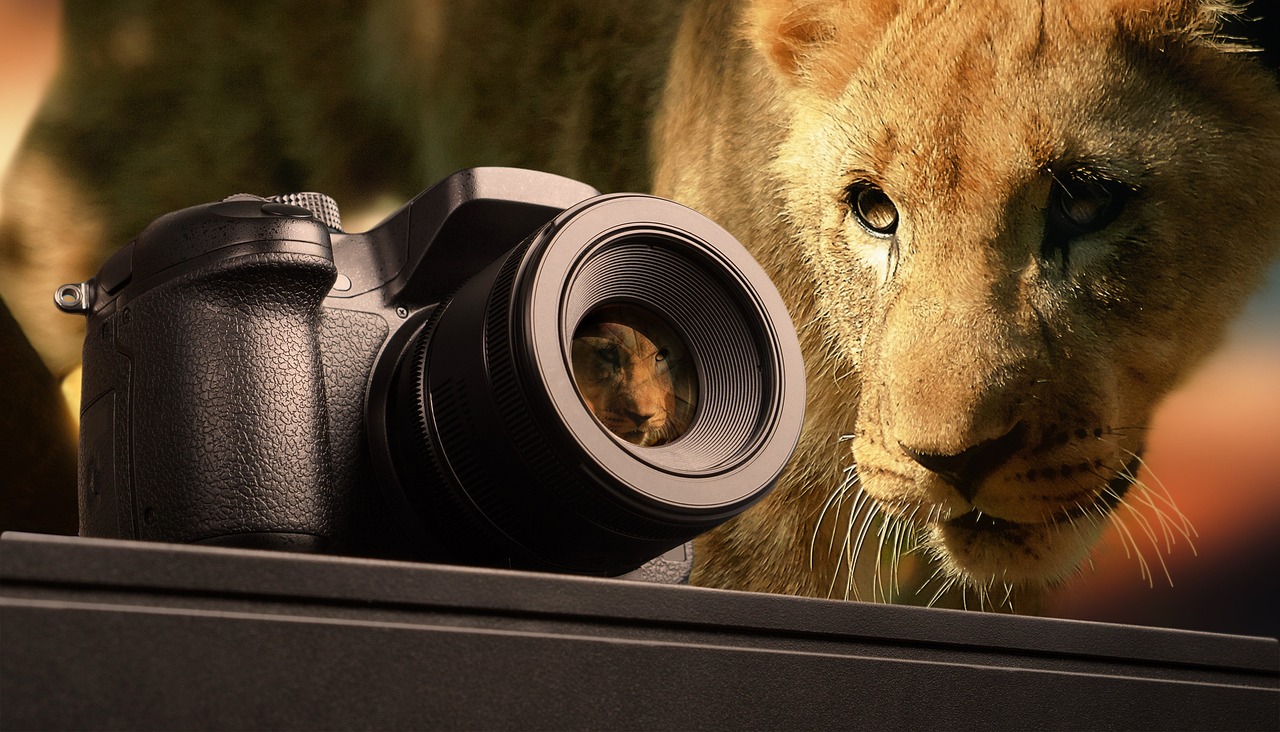
GPS Tracking, Acoustics and Camera Traps
The monitoring of wildlife can be of great importance. GPS tracking follows movement patterns, acoustic monitoring records animal sounds, camera traps provide data on population density and behaviour.
AI-powered camera systems
The project Snapshot Serengeti uses AI to automatically analyse millions of images and distinguish between different animal species. This allows poaching and illegal activities to be detected at an early stage. More on the topic of species conservation and biodiversity.
| You can help all animals and our planet with compassion. Choose empathy on your plate and in your glass. Go vegan. |
More on the subject of recreational hunting: In our dossiers on recreational hunting gather fact-checks, analyses and background reports. The scientific evidence is presented in the overview Studies on the Effects of Recreational Hunting.
The position of IG Wild beim Wild: IG Wild beim Wild rejects recreational hunting. Our model is the canton of Geneva, which has managed without recreational hunting since 1974: without hunting seasons, without hunting dogs, without driven hunts, without high seats, without the animal cruelty and crime that go hand in hand with hunting season elsewhere. What has worked there for over fifty years disproves every position paper by JagdSchweiz. An association that bases its policy on claims it refutes in its own documents is not a professional organisation, but a factory for misinformation.