Wildlife to Be Better Protected from Drones
Drones can be a burden on birds and wildlife and may even threaten their survival. A fact sheet for drone pilots is intended to help counter this problem.
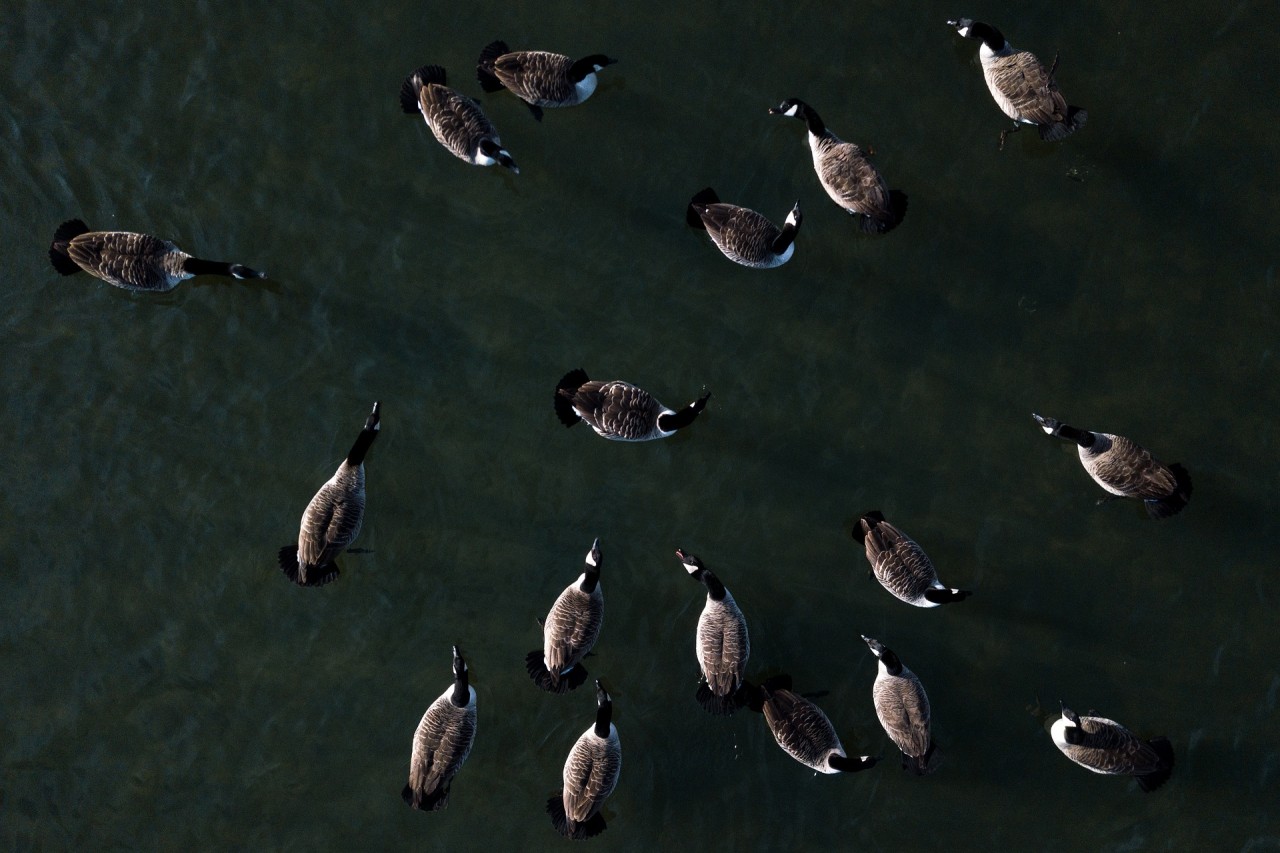
Drones can be a burden on birds and wildlife and may even threaten their survival. A fact sheet for drone pilots is intended to help counter this problem.
Drones are also venturing into areas that have previously been little or not at all disturbed. Birds and other wildlife may therefore perceive the remote-controlled aircraft as a threat, causing stress. This strain can affect their survival and reproductive success.
New Fact Sheet for Drone Pilots
Since this week, a new brochure titled “Considerate Flying with Drones” has been circulating online. It is supported by a group of nine organizations, including the Swiss Ornithological Institute in Sempach and the Swiss Association of Civil Drones (SVZD). Drone pilots who follow these guidelines can avoid disturbing wildlife.
Drones should be flown in open areas where no birds or other wildlife are visible. Residential areas without crowds of people are also considered suitable, according to the fact sheet. Information promoting safe and considerate drone flying can be found at safedroneflying.aero.
Do Not Chase Animals
Wildlife should not be flown toward directly or pursued. If an animal reacts, the flight should be stopped immediately. The same applies if ravens or birds of prey approach.
It is also advised against flying in areas where flocks of waterfowl or groups of wildlife are present. Furthermore, sufficient distance should be maintained from cliff faces as well as over hedges and reed beds.
Flights should be avoided in nature reserves and wildlife rest zones. Drone flights are prohibited in water and migratory bird reserves and in hunting ban areas, the document states.
100’000 Drones in Switzerland
However, the recommendations are not legally binding. The SVZD merely calls on its members to observe them. Swiss law also provides for relatively few flight restrictions for drones, even though their numbers are increasing rapidly. According to the TA-Swiss study, around 100’000 drones are in operation in Switzerland. Currently, 22’000 are added each year.
In certain cases, cantons may also impose regional flight bans. Since last winter, such a flight ban has also been in effect in the Swiss National Park in the canton of Graubünden. Nevertheless, wildlife disturbances caused by drones flying around continue to occur there as well, says Ruedi Haller, Head of Research and Geoinformation at the National Park. “In 2017, we fined two drone pilots for disturbing wildlife. That costs 100 francs. If you are professionally photographing or filming with the drone, 200 francs.” In 2016, there were two incidents in which golden eagles attacked research drones. In both cases, only the drone was damaged, says Haller. “Thankfully.” More on Environment and Nature Conservation.
More on the subject of recreational hunting: In our dossiers on recreational hunting gather fact-checks, analyses and background reports. What the research says about this is shown by Hunting fact-checked: the state of research.
The position of IG Wild beim Wild: IG Wild beim Wild rejects recreational hunting. Our model is the canton of Geneva, which has managed without recreational hunting since 1974: without hunting seasons, without hunting dogs, without driven hunts, without high seats, without the animal cruelty and crime that go hand in hand with hunting season elsewhere. What has worked there for over fifty years disproves every position paper by JagdSchweiz. An association that bases its policy on claims it refutes in its own documents is not a professional organisation, but a factory for misinformation.