Why do some dogs howl and others don't?
Sled dogs howl frequently, while other breeds rarely do. The reasons lie in their proximity to the wolf and in the genetics of each breed.

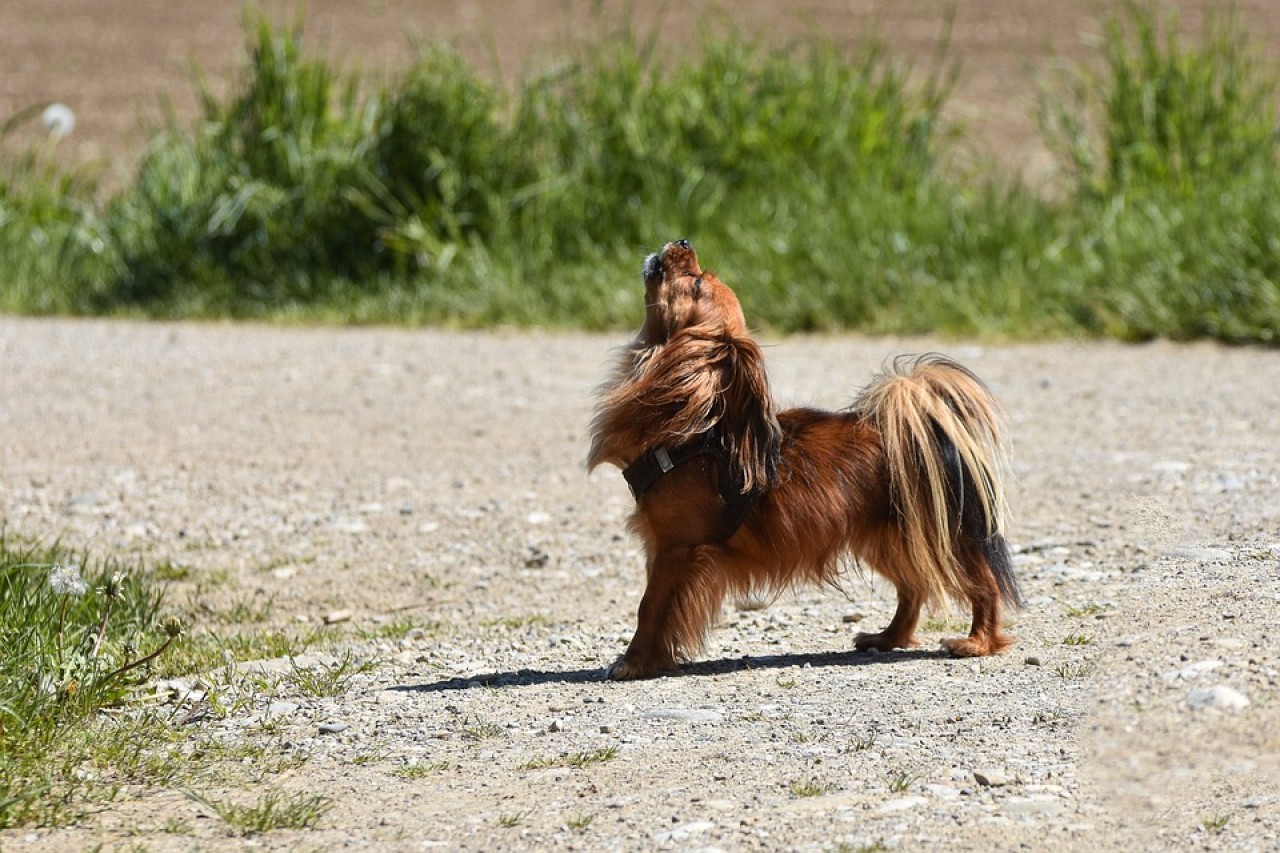
Genetic proximity to the wolf decisive
Howling is a characteristic form of communication in wolves. In dogs, the situation is more complex. While some breeds howl frequently, other types of dogs never exhibit this behaviour.
A team of ethologists from Eötvös Loránd University studied the phenomenon by testing the reactions of 68 purebred family dogs to recorded wolf howls.
“Breeds that are genetically more similar to the wolf are more likely to respond to wolf howls with howling of their own. Breeds more distantly related to wolves, on the other hand, tended to respond with barking,” reports lead author Fanni Lehoczki.
Howling as a fear response
“The dog's howling could therefore mean: I am afraid, don't come closer,” explains Lehoczki. The study was published in Nature Communications Biology. More on the topic of Wildlife.
| You can help all animals and our planet with compassion. Choose empathy on your plate and in your glass. Go vegan. |
More on the subject of recreational hunting: What the research says about this is shown by Hunting fact-checked: the state of research.
The position of IG Wild beim Wild: IG Wild beim Wild rejects recreational hunting. Our model is the canton of Geneva, which has managed without recreational hunting since 1974: without hunting seasons, without hunting dogs, without driven hunts, without high seats, without the animal cruelty and crime that go hand in hand with hunting season elsewhere. What has worked there for over fifty years disproves every position paper by JagdSchweiz. An association that bases its policy on claims it refutes in its own documents is not a professional organisation, but a factory for misinformation.