When the rifle becomes an excuse
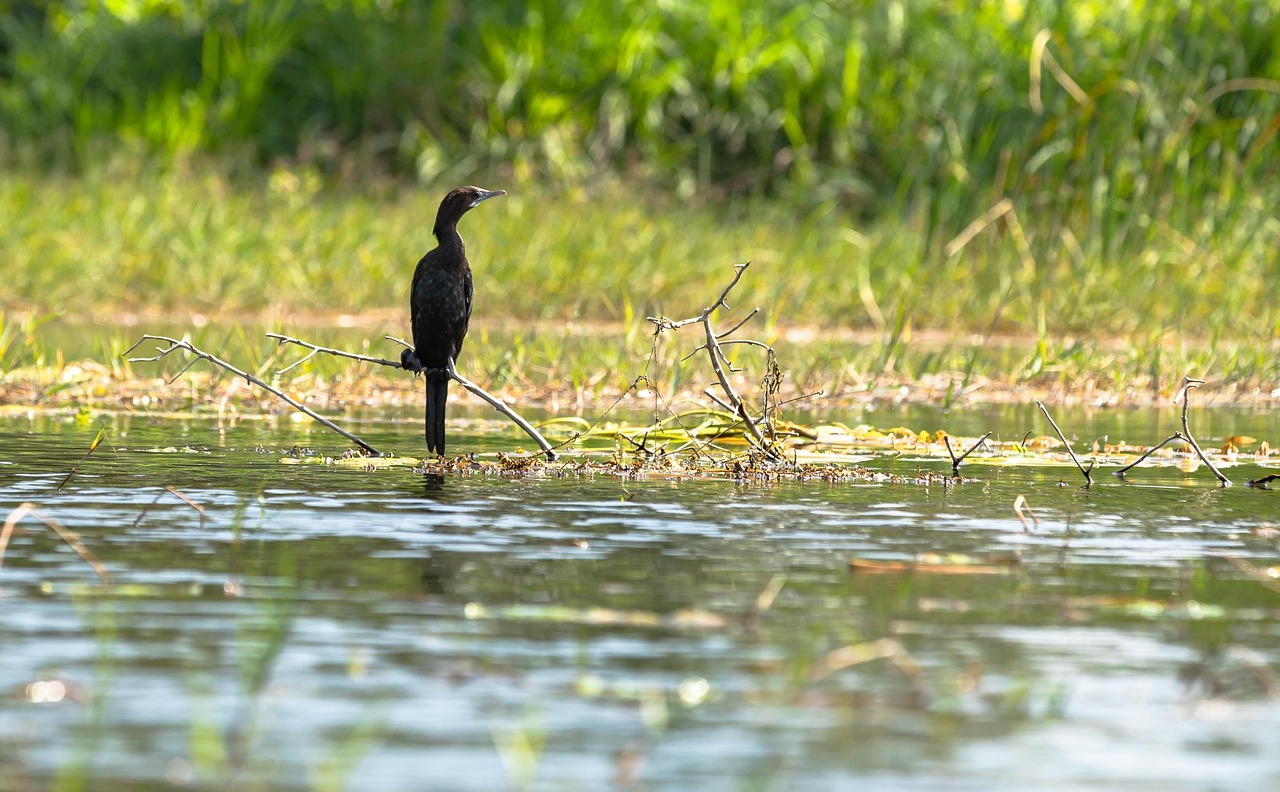
The Canton of Bern is once again taking an aggressive approach to the cormorant issue. The trigger is a political mandate: In 2022, the Grand Council demanded a "sustainable approach" to the cormorant population. Now a twelve-point plan is on the table, ranging from habitat restoration to interventions in breeding colonies and hunting measures.

At the same time, the public tone is becoming sharper.
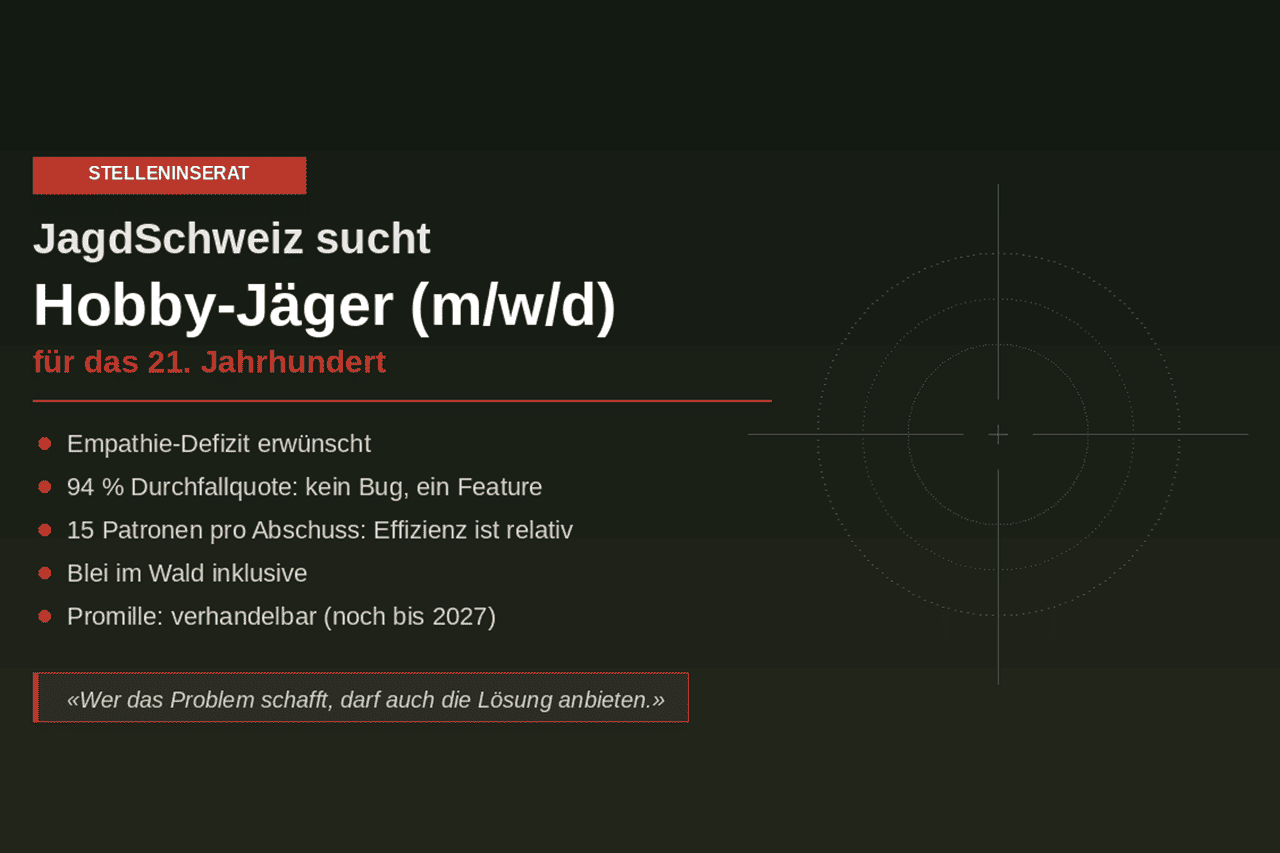
Some tabloid reports frame the debate as "fishermen have had enough" and present recreational hunting as an obvious solution. This is a familiar script: A visible, "practical" scapegoat is presented. Complex, human-caused factors fade into the background.
Those who read the canton's statement recognize: Even Bern identifies the main drivers of the crisis not with the cormorant, but with us humans. Climate change, nutrient decline, hydroelectric power use, watercourse modifications and invasive species are cited. The cormorant "additionally worsens" the situation.
This is central. Because this formulation shifts responsibility: If the cormorant acts «additionally», then it is not the cause, but an amplifier in an already damaged system.
Numbers that rarely fit in headlines
Bern speaks of around 3000 breeding and juvenile birds in summer as well as 300 to 600 overwintering birds. At the same time, the cantonal assessment shows how different the situation is depending on the water body: In Lake Biel, fisheries remove significantly more fish by weight than the cormorants, while in flowing waters it can be the reverse.
In other words: There is no simple, universally valid «cormorants eat everything bare» finding. Those who call for recreational hunting wholesale act as if ecology were the same everywhere.
These differences are decisive when it comes to specific locations where cormorants breed.
Protected areas as «problem» and the ethical signal
Particularly explosive is where the colonies are located: in the Fanel and Hagneck delta, that is, in water and migratory bird reserves of national and international importance. There, interventions are only permitted under strict conditions, only after milder measures have been examined and exhausted.
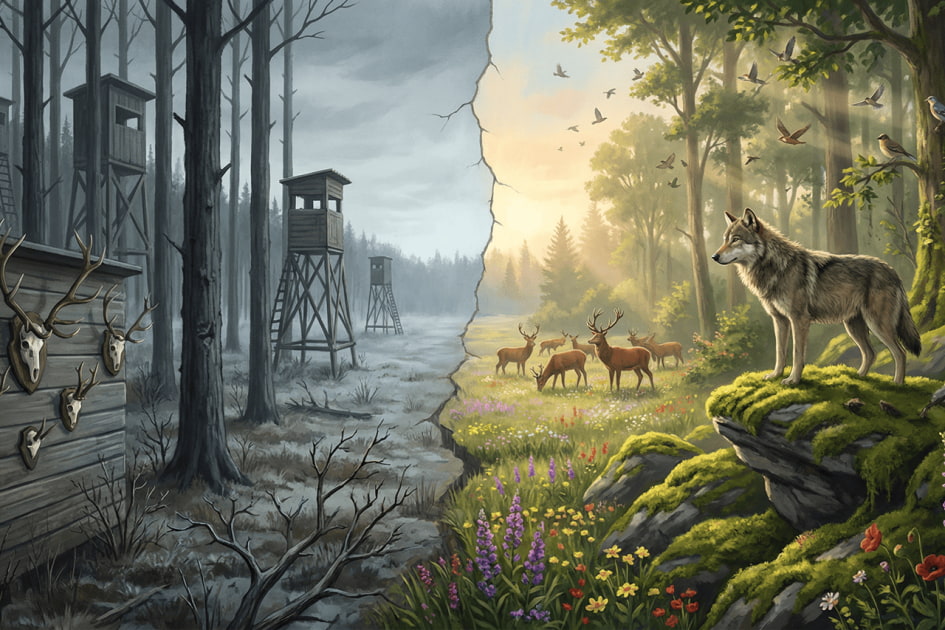
Precisely here the debate regularly tips: Protected areas are rhetorically reinterpreted as obstacles, instead of being viewed as what they are: the minimum retreat space in a landscape that we have built up and cleared out for decades.
«Management» sounds neutral, but often means killing
The twelve-point plan sounds technocratic, almost reassuring. But part of it explicitly involves hunting measures and interventions in breeding colonies. This is not new. Already in 2024 it became known that Bern was planning culls to protect spawning areas.
The core problem remains: When politics wants to demonstrate capacity for action, shooting is the fastest symbolic act. Renaturation, however, is laborious, expensive and politically fraught. It doesn't work in one legislative period, but over decades.
The uncomfortable question: Why are the fish so vulnerable in the first place?
The canton lists the causes itself. And that is precisely where the priority should lie:
- Channelization and missing dynamics destroy habitats and spawning grounds.
- Hydropower and residual water regimes change temperature, discharge and structure.
- Climate change shifts conditions, especially for cold-dependent species like grayling.
When populations are already at their limit, every additional pressure becomes relevant, including predation. But this does not make the cormorant the «culprit», but rather part of a system that we first weakened.
Hunting-critical assessment: The old pattern in new guise
At wildbeimwild.com we have observed the same pattern for years: As soon as conflicts between usage interests and wild animals emerge, «regulation» becomes the standard answer. This is convenient because it externalizes responsibility. The bird that feeds visibly is declared the problem. The invisible interventions, channelization, power plants, microhabitat loss, remain in the background.
Anyone who seriously says «species protection» must first protect habitats, not kill animals that merely survive in these damaged habitats.
What would be necessary now, instead of reflexes
A truly responsible approach would have to fulfill three conditions:
- Transparent impact monitoring: Not just counting how many birds were killed, but measuring whether fish populations and spawning success actually improve. Bern announces scientific monitoring and ongoing review, the plan will have to be measured against this.
- Priority renaturation: Measures that repair habitats must be prioritized financially and politically over hunting interventions.
- No scapegoat communication: Those who bring the public on a shooting course with «fishermen have had enough» create pressure that ultimately endangers protected areas and nature conservation law delegitimized.
The canton of Bern is right when it says: The causes are diverse. But precisely for this reason, recreational hunting of cormorants is not a "courageous step," but often a shortcut that leaves the fundamental problem untouched. As long as waterways are developed, heated and depleted, the next conflict is guaranteed to come, with the next animal as target.
Support our work
With your donation you help protect animals and give their voice a hearing.
Donate now →