When Cats Have an Allergic Reaction to Fleas
Fleas are a familiar nuisance for many cat owners.

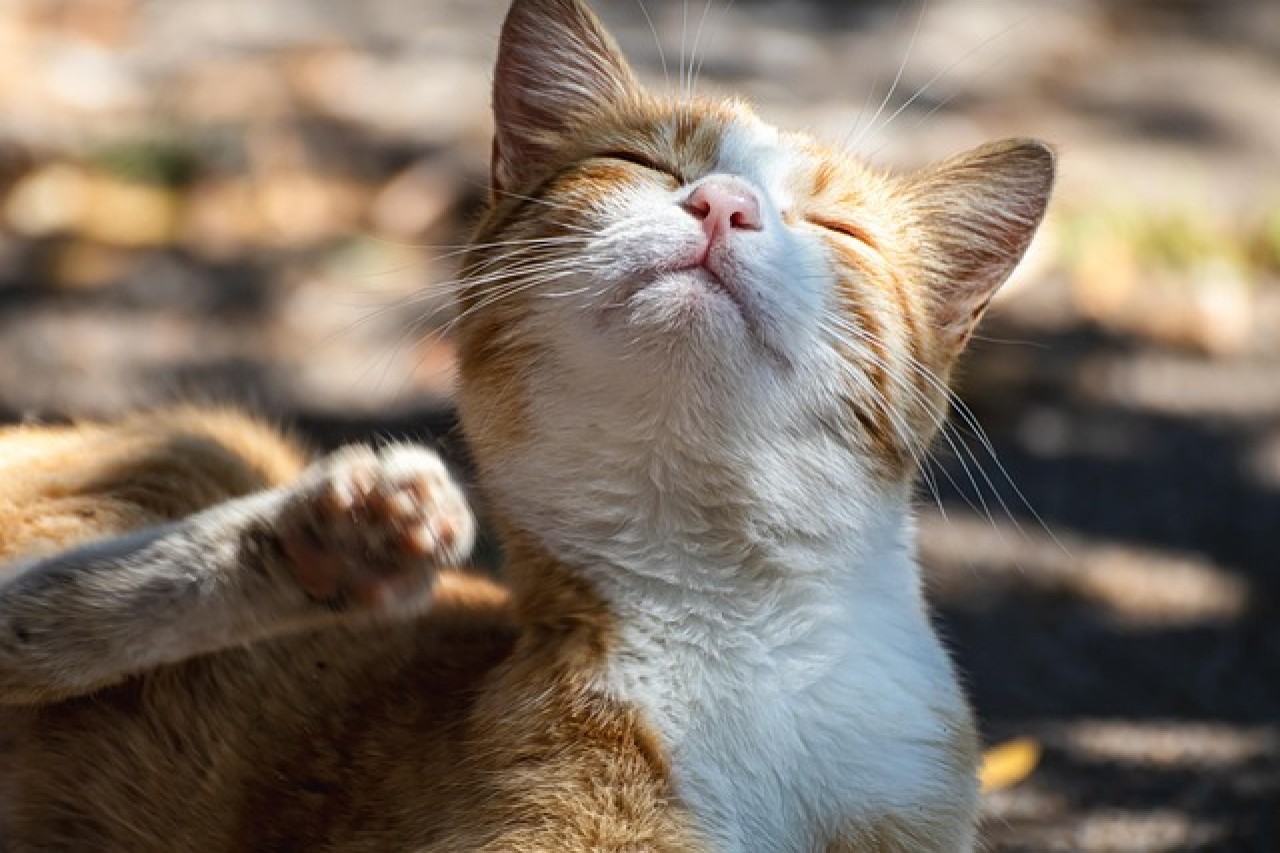
The tiny blood-suckers are not only a nuisance — they can also transmit diseases and trigger a serious allergic reaction in sensitive animals.
Around eight percent of all cats respond to flea bites with what is known as flea allergy dermatitis (FAD), a hypersensitivity reaction to proteins in the saliva of these parasites.
A year-round risk, even for indoor cats
Contrary to common belief, fleas are not purely a summer problem. While they are most prevalent outdoors during the warmer months, in the cold season they find ideal breeding conditions in heated homes. Once introduced — whether via other animals, clothing, or shoes — they can persist stubbornly in carpets, sofa crevices, or cat beds. Even strictly indoor cats are therefore not automatically safe from an infestation.
When the itching becomes torment
Flea allergy dermatitis typically manifests as intense itching. Affected cats scratch or lick themselves incessantly, leading to bald patches in the coat — most commonly on the back, at the base of the tail, and on the hind legs. Skin redness, swelling, blisters, and crusting are also typical symptoms. The situation becomes dangerous when animals scratch themselves to the point of bleeding: bacteria can penetrate and cause painful secondary infections. Particularly around the head and neck, deep wounds can develop rapidly.
Not every cat reacts, but the risk increases
Not all cats develop a flea saliva allergy. Studies suggest that approximately eight percent are affected. Animals that already exhibit other allergies — such as to pollen or house dust mites — face a higher risk. In allergic cats, even a single bite is often sufficient to trigger severe symptoms.
Diagnosis and treatment at the veterinary clinic
If the cat shows suspected symptoms, a visit to the veterinarian is unavoidable. A reliable diagnosis is only possible through a thorough examination. Treatment focuses first and foremost on consistent flea control. In addition, veterinarians prescribe anti-itch medications that provide rapid relief for the animals. Secondary infections can be treated with antibiotics.
Important: Only approved products may be used for cats — many common products for dogs are highly toxic to domestic cats. Equally important is cleaning the environment: carpets, blankets, and upholstered furniture should be thoroughly cleaned and, if necessary, treated with special products to eliminate flea eggs and larvae.
Prevention protects animals and humans
Year-round flea prevention is considered the best protective measure. Fleas not only transmit diseases to cats but can also infect humans — for example, with so-called cat scratch disease or the cucumber tapeworm. Protecting your cat therefore means protecting yourself as well.
More on the subject of recreational hunting: The scientific evidence is presented in the overview Studies on the Effects of Recreational Hunting.
The position of IG Wild beim Wild: IG Wild beim Wild rejects recreational hunting. Our model is the canton of Geneva, which has managed without recreational hunting since 1974: without hunting seasons, without hunting dogs, without driven hunts, without high seats, without the animal cruelty and crime that go hand in hand with hunting season elsewhere. What has worked there for over fifty years disproves every position paper by JagdSchweiz. An association that bases its policy on claims it refutes in its own documents is not a professional organisation, but a factory for misinformation.