When hunting romanticism displaces facts
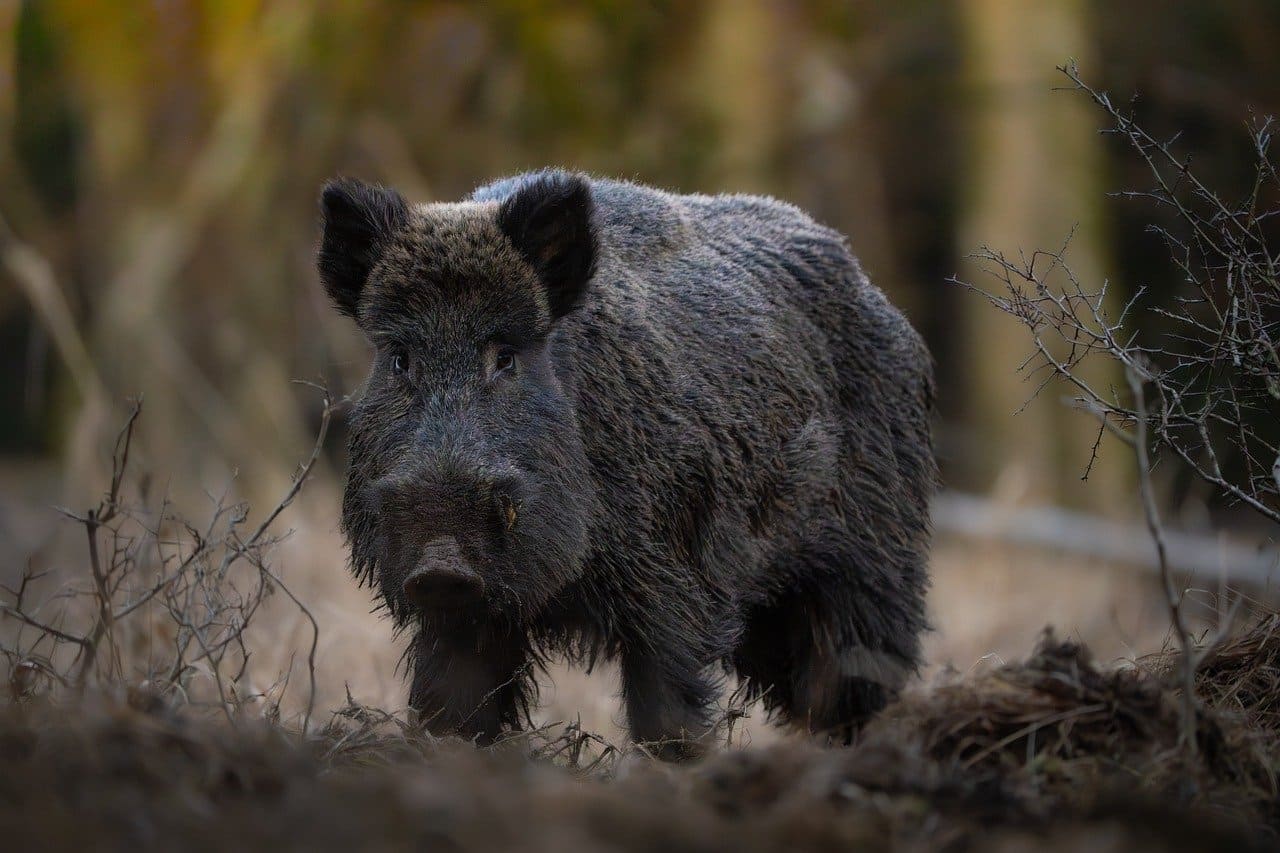
The article «Scream as loud as you can» by taz describes a Sardinian drive hunt for wild boar – atmospherically dense, culturally interested, literarily ambitious. But it contains an unsubstantiated core claim that stands as fact: «The hunters explain that the large number of wild boar damages fields and pastures and that hunting serves to keep populations in balance. Someone has to take care of it.»

This statement comes directly from the hunting lobby repertoire.
It is in the article not contextualized, not questioned, not refuted. What science says about it differs fundamentally. Claim: «Hunting keeps wild boar populations in balance». This is scientifically untenable, quite the contrary.
A long-term study by Sabrina Servanty et al. (Journal of Animal Ecology, 2009) compared two wild boar populations over 22 years: one heavily hunted in the Haute-Marne department, one lightly hunted in the Pyrenees. Result: High hunting pressure significantly increases the fertility of the animals, young sows reach sexual maturity earlier, litter size increases. Recreational hunting thus stimulates precisely the reproduction it supposedly controls.
Prof. Dr. Josef H. Reichholf, zoologist and ecologist, taught at both Munich universities and was head of the vertebrates department at the Zoological State Collection Munich, puts it clearly: «Hunting does not regulate. It creates inflated and suppressed populations.»
In Germany, wild boar culls were increased from under 150,000 to over 500,000 animals per year, yet the population continues to grow. Recreational hunting as a regulatory instrument is thus empirically disproven. Which other hunting myths do not withstand scientific scrutiny is systematically documented by wildbeimwild.com.
Sardinia: What really happens with the wild boar
According to Coldiretti (2024), there are around 100,000 wild boar in Sardinia. This figure is cited by the hunting lobby as proof of the «necessity of hunting», but it is also the result of decades of recreational hunting practice. Wild boar in Sardinia, as in many parts of Italy, show genetic traces of hybridization with domestic pigs, which can influence their reproduction rate.
A management plan from the Province of Oristano also notes that wildlife accidents in Sardinia increase significantly from September onwards. Precisely when the hunting season with dogs begins. The taz article mentions neither hybridization nor hunting-related disturbance of the animals as a cause of accidents.
What the article ignores: Animal suffering as the normal state
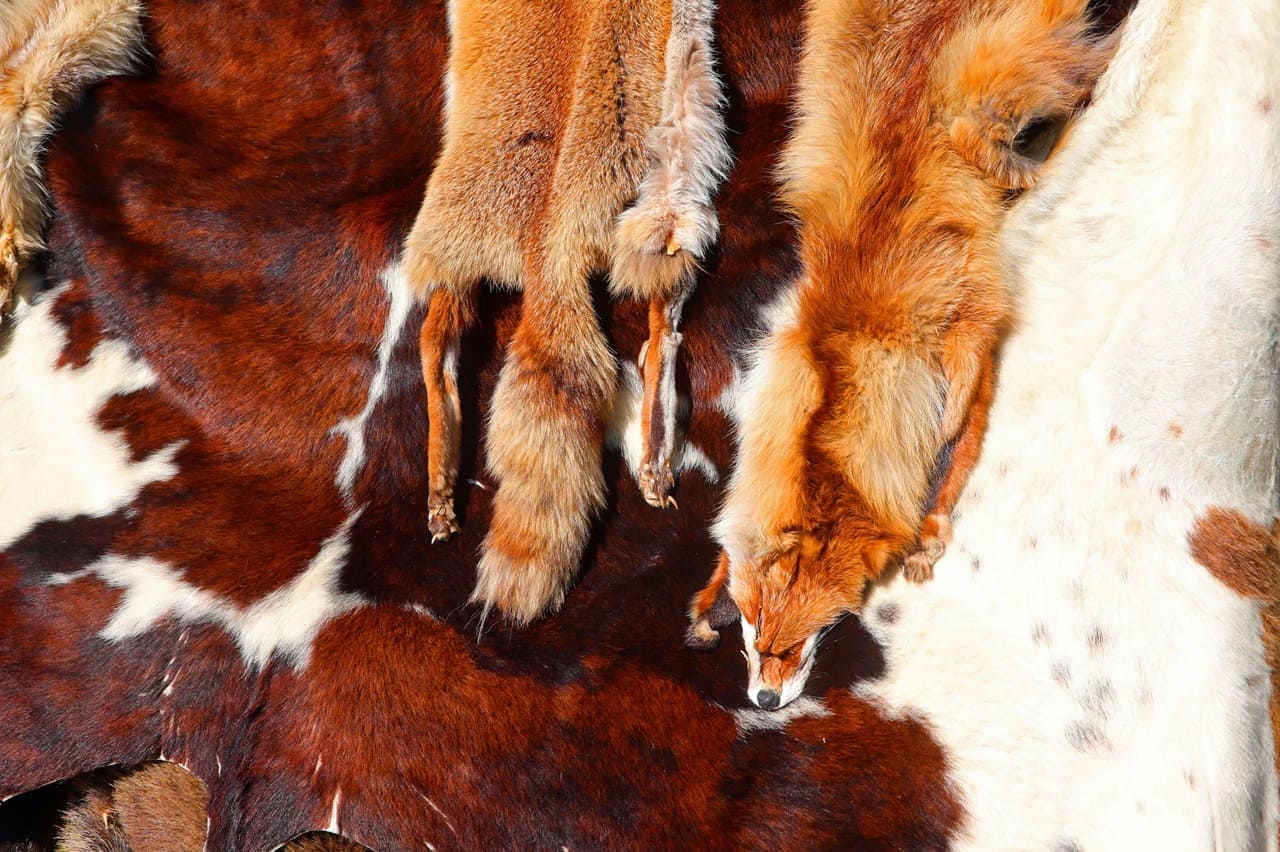
The author describes several critical scenes but reframes them through cultural relativism: A hunting dog is injured by a wild boar; its owner checks the wound, the animal remains in service. A fox is shot «on the side» because it «disturbs the hunt». The killed wild boar dies slowly, slides down the road, its eye detaches from the socket.
Author Carla Farris writes: «I feel pity. But here this perspective is completely misplaced.» This self-correction is telling: compassion for the animal is marked as civilizationally naive, hunting culture is acknowledged as a superior reality. The article thus normalizes animal suffering as cultural necessity without reflection. The psychology of recreational hunting explains why such justification patterns work.
Missing voices, missing context
A journalistically balanced article about wild boar hunting would have had to include: wildlife biologists on the question of population regulation, animal welfare perspectives on the hunting dogs used and their injury risk, data on the development of the Sardinian wild boar population despite intensive recreational hunting, a note on the hybridization status of the Sardinian animals, and a classification of the «social mandate» of recreational hunting as an interest claim, not as fact.
Further reading: Hunting and Animal Protection Dossier · FAQ: Psychology of Recreational Hunters · Hunting Myths Dossier · Template texts for hunting-critical initiatives · All Dossiers
Support our work
With your donation you help protect animals and give voice to their concerns.
Donate now →