Bottled water: 240’000 plastic particles per litre
A new study has found that bottled water can contain 10 to 100 times more tiny plastic particles than previously assumed.


These plastic particles, known as nanoplastics, are so small that they can penetrate body cells and may contain harmful synthetic chemicals.
240’000 particles per litre
One litre of water was found to contain an average of 240’000 plastic particles, of which 90% are nanoplastics. This discovery raises concerns about the potential health risks associated with the consumption of bottled water.
The innovative techniques of the study enable a better understanding of the presence of nanoplastics in bottled water and the potential risks to human health. Experts suggest that nanoplastics can contain toxic chemicals which, due to their tiny size, can penetrate vital organs and potentially disrupt cellular processes.
Particular risk for infants
This poses a particular risk for infants and young children, as their still-developing bodies are especially vulnerable to such exposures.
The study also revealed the presence of various types of plastics in bottled water, shedding light on possible sources of nanoplastics. It is suggested that the use of glass or stainless steel containers for drinking water can reduce exposure to nanoplastics.
Alternatives to plastic bottles
Further research is underway to determine the extent of contamination of tap water with nanoplastics and their potential impact on the environment and health.
As the scientific community continues to research the effects of nanoplastics, individuals are encouraged to minimize their exposure to plastics by opting for alternatives whenever possible.
| You can help all animals and our planet with compassion. Choose compassion on your plate and in your glass. Go vegan. |
More on the subject of recreational hunting: The scientific evidence is presented in the overview Studies on the Effects of Recreational Hunting.
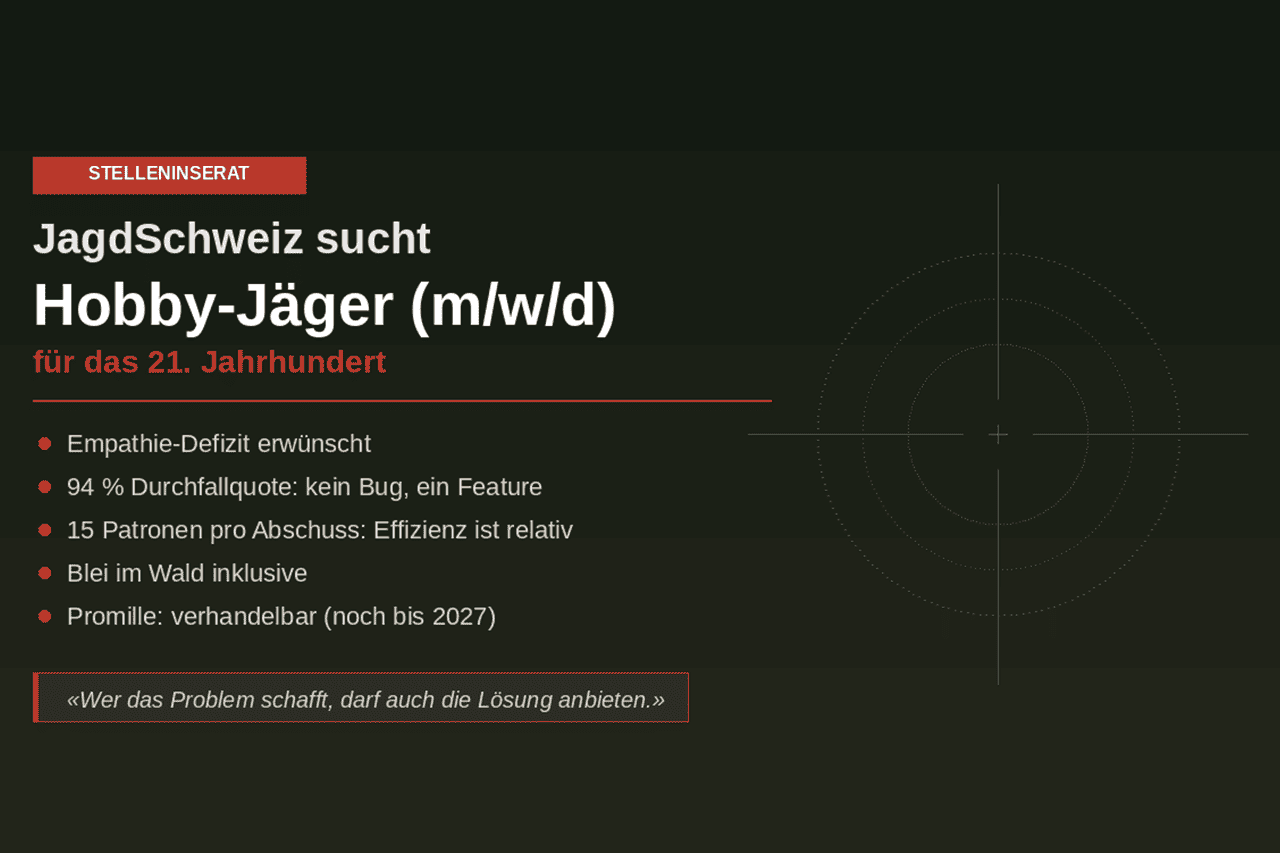
The position of IG Wild beim Wild: IG Wild beim Wild rejects recreational hunting. Our model is the canton of Geneva, which has managed without recreational hunting since 1974: without hunting seasons, without hunting dogs, without driven hunts, without high seats, without the animal cruelty and crime that go hand in hand with hunting season elsewhere. What has worked there for over fifty years disproves every position paper by JagdSchweiz. An association that bases its policy on claims it refutes in its own documents is not a professional organisation, but a factory for misinformation.