Uri extends deer hunting: Violence instead of reform
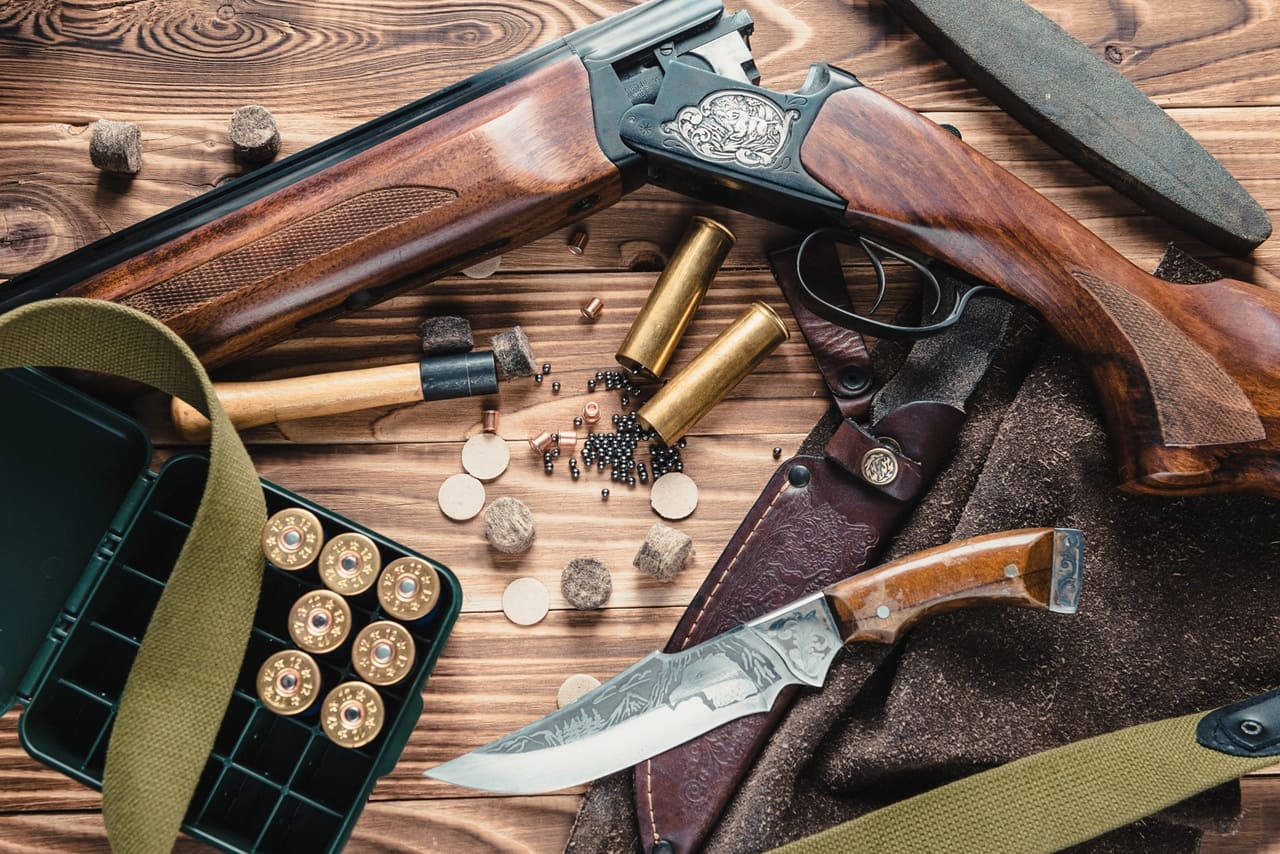
The canton of Uri applies the principle of "More of the Same" to deer hunting. Because shooting targets for red deer have not been met during regular high game hunting in recent years, the security directorate, hunting commission and hunters are extending September hunting by three additional days. Officially, to "kill more deer during regular high game hunting" and better achieve targets for stags and yearlings. In reality, this means: Even more hunting pressure during an already stressful phase and instead of a critical review of the high hunting system, an expansion of the spiral of violence into the animals' habitat.

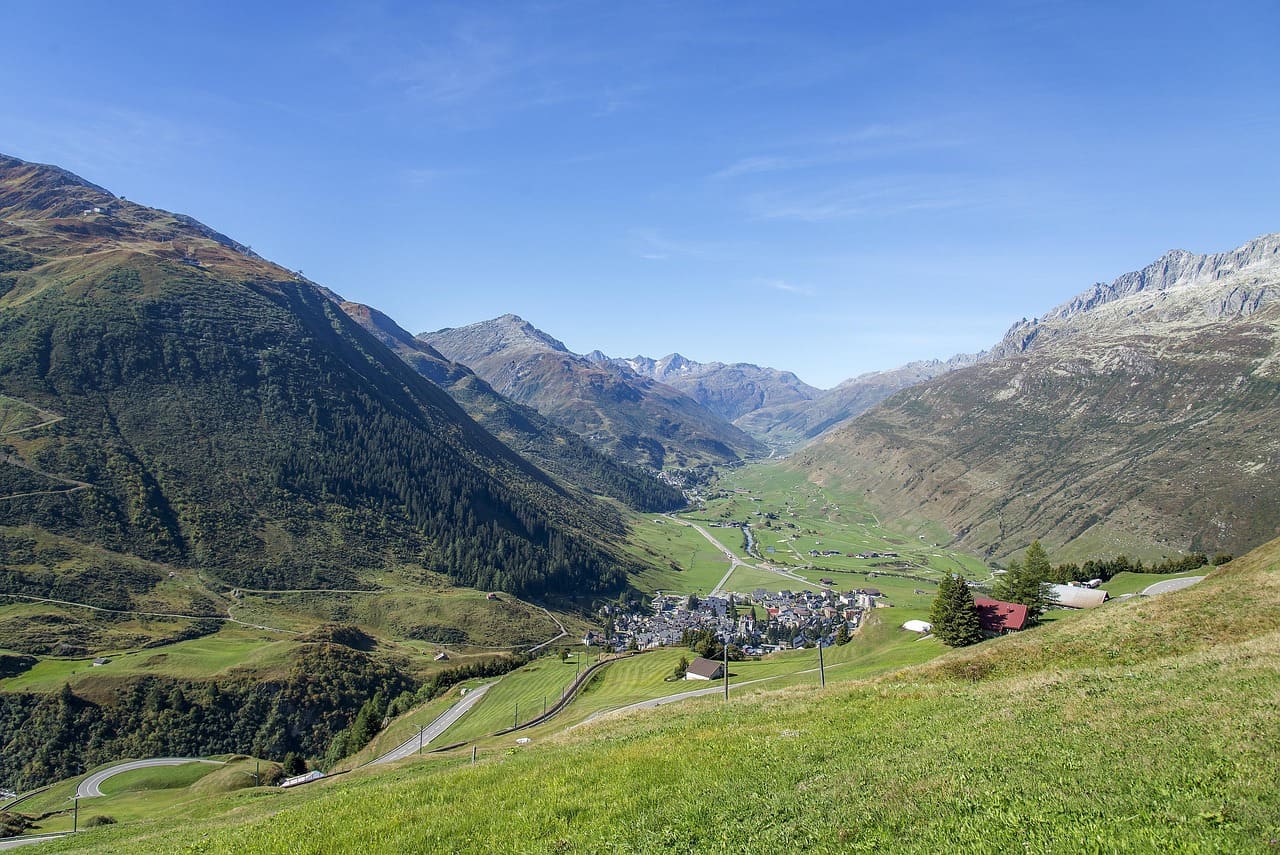
The authorities' argumentation follows a familiar pattern: The prescribed shooting targets were not achieved in recent years, therefore an adjustment of hunting seasons is needed.
Instead of questioning the shooting quotas themselves or fundamentally reviewing the hunting model, the calendar is extended in favor of the hobby hunters. Two weeks of big game hunting, eight days break, three additional hunting days: Uri is implementing a second shooting wave to meet the quota. That wild animals know neither spreadsheets nor 'accompanying groups' remains a marginal note.
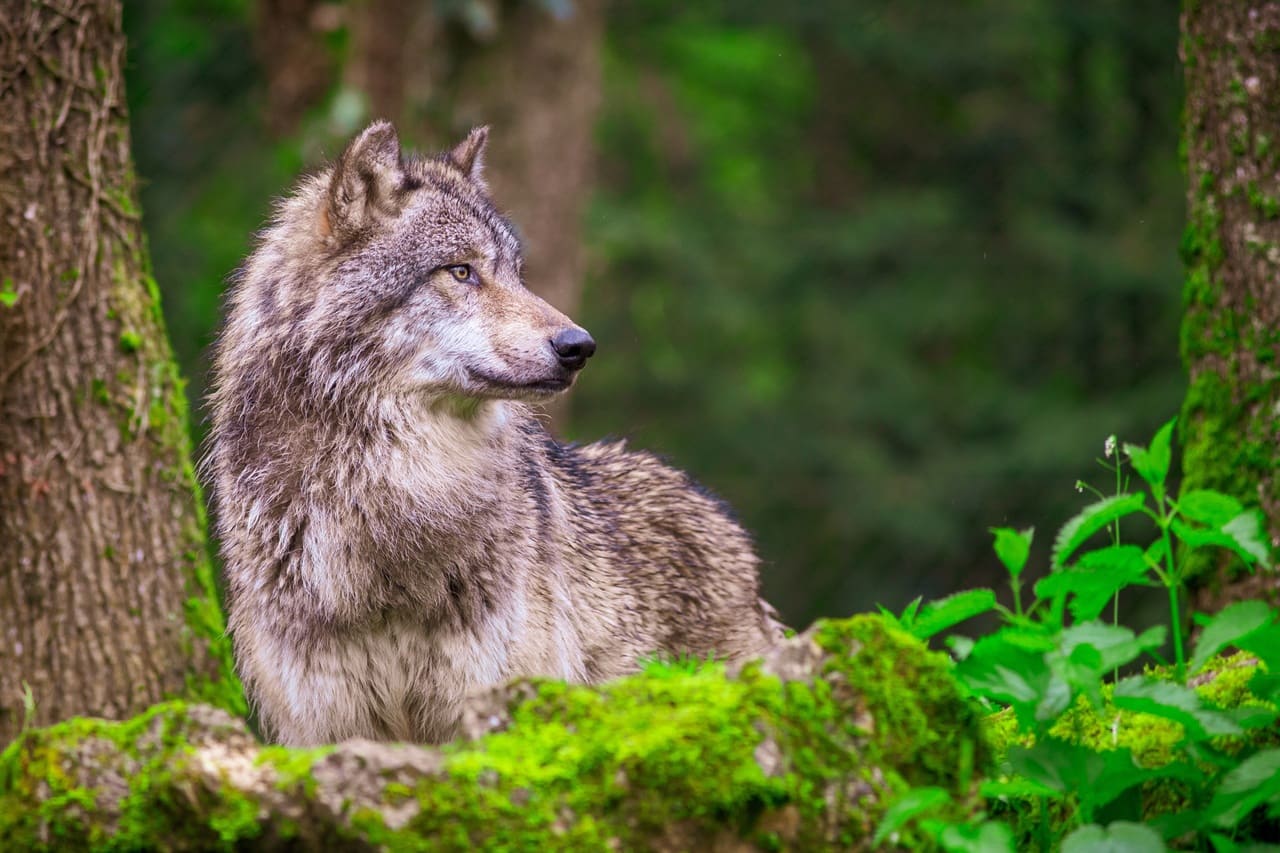
The planning is thoroughly anthropocentric: The focus of the additional hunt is explicitly on barren females, i.e. red deer hinds without calves, as well as on spikes and young stags. The red deer is not regarded as a sentient individual, but as an inventory item that is broken down into age and gender classes and 'managed.' Those who don't 'harvest' enough deer don't adjust the hunting philosophy, but the hunting days.
Animal welfare as a fig leaf
The wording that shooting of leading hinds and calves is 'no longer planned for animal welfare reasons' during big game hunting is explosive. This restriction is presented as if it were progress. In fact, it is an admission that exactly this was previously permitted: shooting pregnant or leading red deer hinds and young animals in hunting fever. The new restraint is not an expression of a consistent understanding of animal welfare, but a minimal corrective step to avoid the worst images during big game hunting. During special hunts it is then permitted again, as the regulations for special hunts in Canton Uri show.
The crucial point remains ignored: Barren females, spikes and young stags also experience mortal fear, pain, hunting stress and flight. They come under fire in September in the extensive summer habitat, in a phase when they should be building up energy for the coming winter. Stress, injured animals, long tracking searches—all this cannot be defined away just because one category of mother animals is temporarily exempted.
'Post-hunt remains necessary': Admission of a failed model
It is acknowledged with remarkable openness that even with extended high hunting, a post-hunt will 'still be required.' The shooting targets could generally not be achieved in the extensive summer habitat. Translated, this means: Even additional hunting days do not solve the fundamental problem. Another layer of stress is added to the animals and landscapes, and the cycle begins anew in November.
Post-hunting has long been controversial among hunting critics: It affects winter-weakened animals, combines recreational hunting with snow, cold and poor visibility, and massively increases the risk of misshots. That Uri wants to maintain this instrument despite extended high hunting underscores the internal contradictions of the planning. A model that only works with ever-new hunting blocks is not a stable 'wildlife biological' approach, but an expression of political unwillingness to question the shooting doctrine.
'Wildlife biological reasons': The convenient phrase
Striking is the announcement to prepare a 'possible hunting start on September 1' by the end of 2027 for 'wildlife biological reasons' and to align with neighboring cantons. Behind this lies a familiar strategy: When hobby hunters want more hunting days, the wish is packaged as 'biological necessity.' Instead of placing the actual needs of animals—rest periods, hunting-free zones, stress reduction—at the center, orientation follows the competitive logic of the cantons.
Wildlife biology thus becomes a rhetorical shell to legitimize hunting policy desires. In a serious wildlife ecological planning approach, one would first ask: How much hobby hunting can a deer population tolerate without social structure, behavior, and stress levels collapsing? What role could predators play? What hunting-free refuge areas are needed in a densely used Alpine region? Instead, the debate is narrowed down to the question of how many additional days humans are allowed to shoot.
Whose needs: Those of recreational hunters or wildlife?
The Security Directorate emphasizes that it is concerned "that the needs of recreational hunters as well as wildlife biological aspects are appropriately considered." What is missing is a third pole: the perspective of the wildlife themselves as well as the population that wants to use forests as recreational and protective space, not as a shooting range. "Needs of recreational hunters" means in plain terms: sufficient hunting days, achievable shooting quotas, attractive trophies.
Wildlife has no voice at the round table of the advisory group. They cannot defend themselves against additional hunting blocks, formulate no objections to supplementary hunts, propose no alternatives. Their "needs" are interpreted indirectly, through the same actors who have an interest in continuing to hunt. This creates a political triangle in which recreational hunters reflect their own wishes back as "wildlife biological necessity."
More hunting-free areas instead of more hunting blocks
A contemporary wildlife policy would have to take exactly the opposite approach. Instead of inventing additional hunting days, what is needed is: generous hunting-free zones where deer can display natural behaviors, significantly less hobby hunting, with professional wildlife management where regulation is actually necessary, clear limits for supplementary hunts and shooting in late autumn and winter months, shooting targets oriented toward ecological functions and animal welfare, not political expectations of recreational hunters, and integration of predators instead of their culling.
The extension of deer hunting is a political signal: When shooting quotas are not met, the system is not questioned, but pressure on the animals is increased. For the deer in Canton Uri, this means that September brings even less peace, even more shots and harassment. For a society that prominently displays animal welfare on its banner, this is the wrong path.
More on this in the dossier: Hunting and Animal Welfare
Support our work
With your donation you help protect animals and give voice to their concerns.
Donate now →