Valais Society for Wildlife Biology rejects Hunting Act
The new law provides no basis for sustainable wildlife management and represents a reduction in species protection.

For the Valais Society for Wildlife Biology fauna•vs, the new Federal Act on Hunting and the Protection of Wild Mammals and Birds represents a step backwards compared to the current Hunting Act. Through an information campaign, fauna•vs now aims to inform the public about the planned changes in the new law and their impact on wildlife.
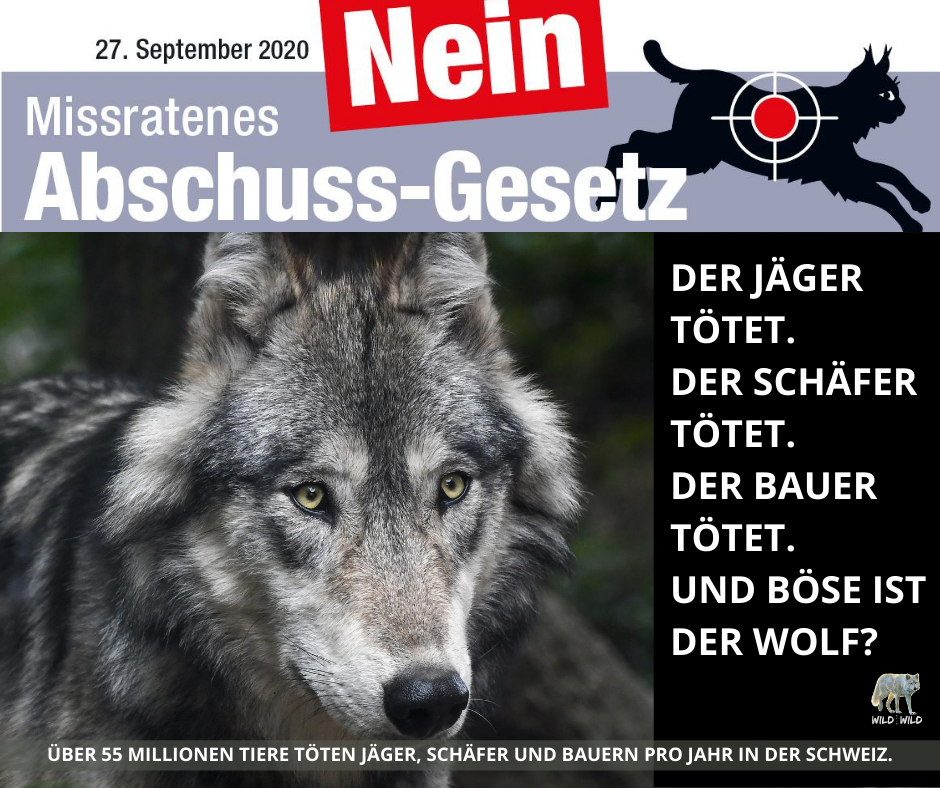
On September 27, 2020, the Swiss population will vote on the revised Hunting Act. The new law is backward-looking in several respects, fauna•vs states in a press release. Rather than giving equal weight to the three pillars of protection, regulation, and hunting, the new law places the regulation of wildlife at the forefront — with a focus on the wolf — while the protection of endangered species is entirely neglected.
The current hunting sanctuaries, in which hunting is currently generally prohibited, are to be renamed «wildlife protection areas». «Paradoxically, however, hunting wolves and ibex is to be permitted in precisely these areas», the Valais Society for Wildlife Biology comments. The planned change would mean that there would effectively be no areas in our country free from hunting, even though wildlife urgently needs such refuges given the many environmental pressures and disturbances caused by recreational activities.
"No sustainable management for endangered species"
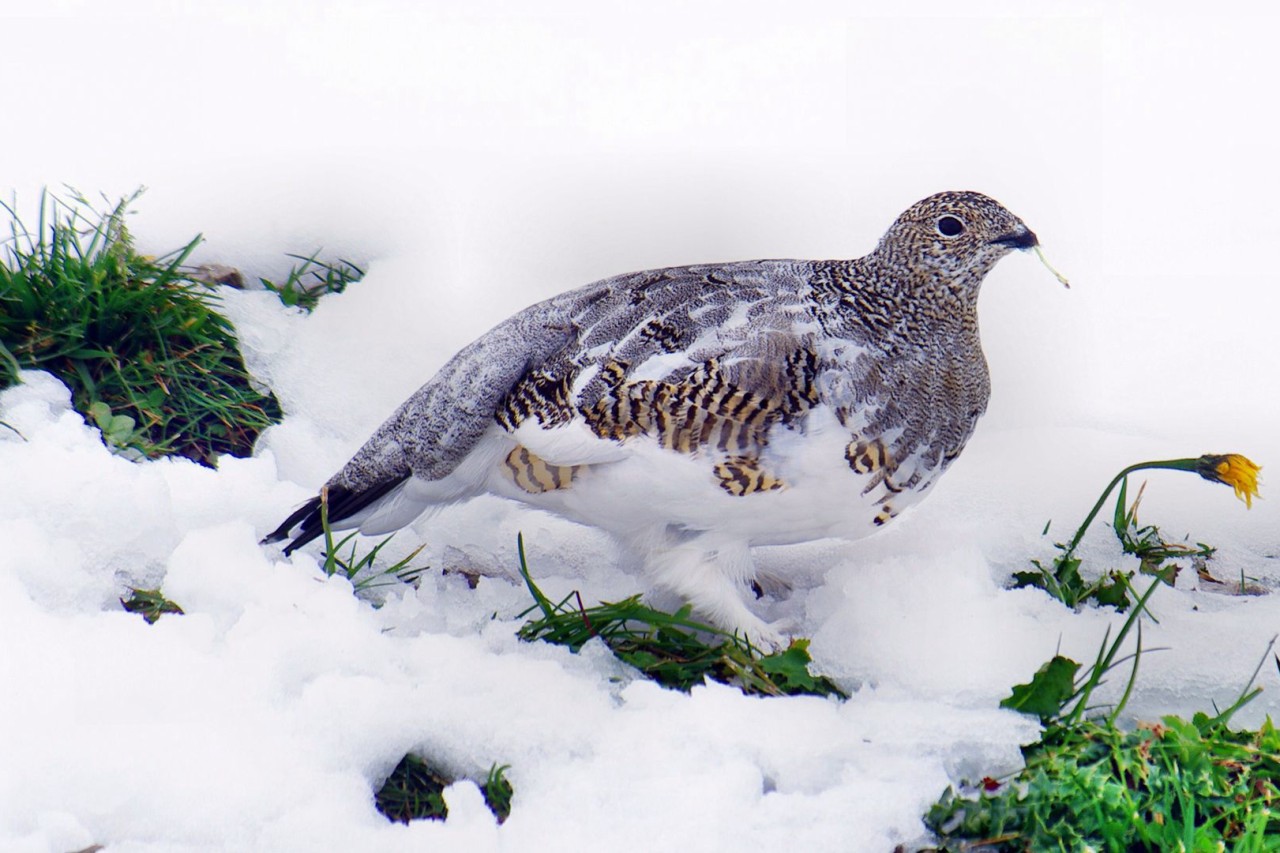
Certain endangered species remain on the list of huntable species, such as the ptarmigan, the black grouse, and the woodcock. Due to climate change, the Valais ptarmigan population has halved over the last 20 to 30 years. During the same period, the number of ptarmigan shot has also halved. «A hunter in Valais can still shoot up to eight ptarmigan per year! The revised hunting law does not correct this absurdity», according to the Valais Society for Wildlife Biology. This is not sustainable management for an endangered species.
The new hunting law provides that the Federal Council can place protected species on the list of regulable species at any time and without any possibility of legal intervention. Parliamentary discussions have shown that species such as the lynx, the beaver, and even the mute swan could be affected by this provision. «One day, eagles, eagle owls, or grey herons could also appear on this list…», warns fauna•vs.
Valais Society for Wildlife Biology: «Ethically unjustifiable»
The current federal hunting ordinance allows the shooting of individual wolves, lynxes, and bears in specific cases of damage. The cantons already have considerable latitude in dealing with large predators. The new law aims to give the cantons even more powers. «This makes no sense for large predators with their vast territories. Federal oversight of large predator management must remain with the Confederation in order to ensure consistent management», fauna•vs is convinced.
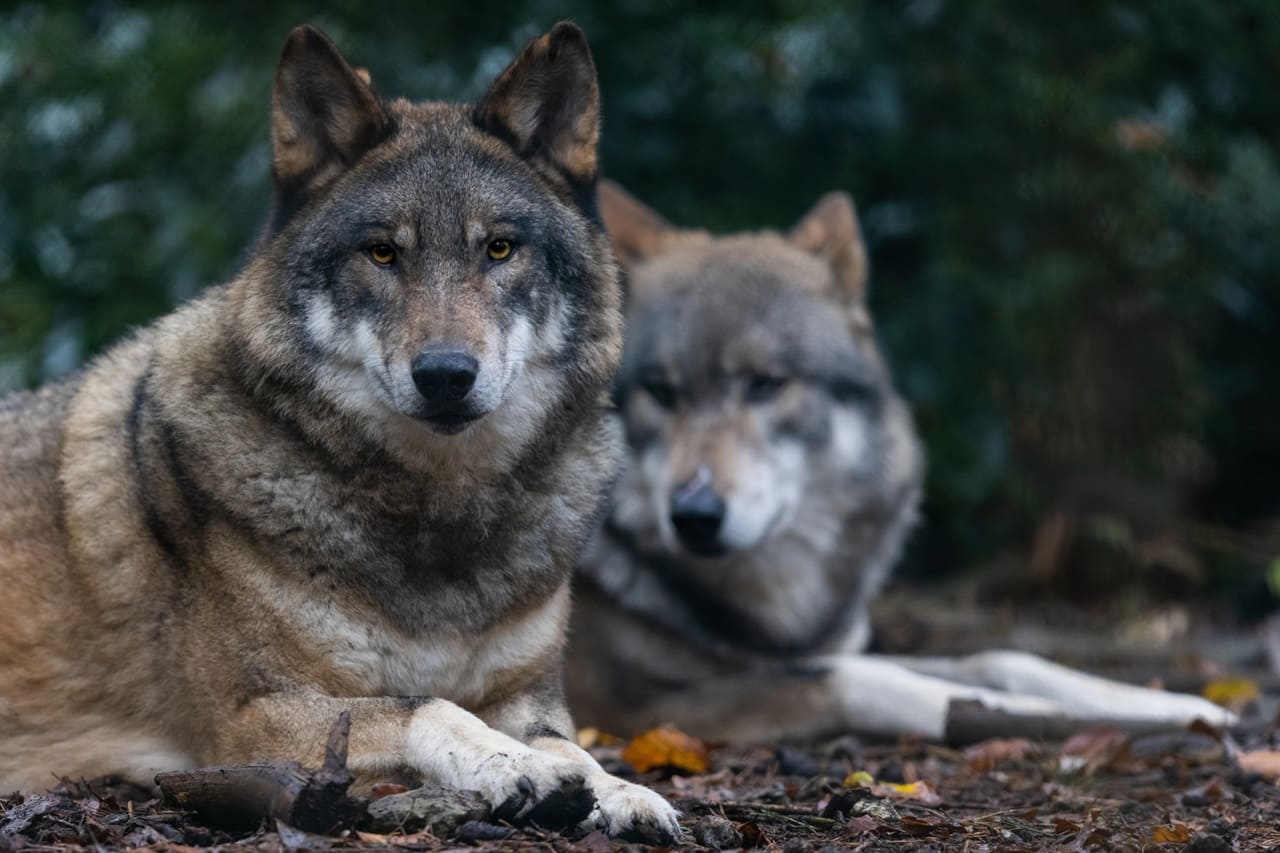
When it comes to dealing with wolves, the current principle is «prevention before intervention». Culling is permitted when wolves attack protected livestock. Under the new rules, regulatory culling would also be permitted when damage to unprotected herds is threatened. Furthermore, individual wolves deemed to display «anomalous behaviour» could be shot and wolf packs regulated before they cause any damage. «These provisions are ethically unjustifiable, open the door to wolf-free zones, and massively weaken herd protection», states fauna•vs, while simultaneously questioning why herd protection measures should still be considered worthwhile if wolves can be shot preventively due to threatened damage. Political and media pressure to cull wolves in cases of threatened damage will increase massively in the cantons.
Negative points outweigh the positive
From fauna•vs's perspective, there are also positive aspects regarding the new hunting law: «For instance, only three duck species may still be hunted, and the creation of wildlife corridors is to be more actively promoted in the future.» Nevertheless, for fauna•vs the negative points outweigh the positive, leading them to recommend voting No on the hunting law on 27 September.