Montana wants to lift protections so the public can hunt grizzlies.
Grizzly bears are currently protected in this state.
Following a series of grizzly bear attacks in 2021, Montana authorities have asked the US Fish and Wildlife Service to lift the hunting ban on the animals.
Grizzly bears are currently on Montana's endangered species list, but the state has requested that these protections could be relaxed in Glacier National Park and the surrounding areas, where there are around 1’000 bears.
Bear populations have grown in recent decades and are increasing by two to three percent each year in northern Montana, according to the US Fish and Wildlife Service. Lifting the hunting ban would allow Montana Governor Greg Gianforte to manage the species more flexibly.
Bear population management is permitted in Alaska, where bears are killed by wildlife officers when a danger to human life exists.
«We have proven that we are capable of managing bears, protecting their habitat and their population«, said Montana Fish, Wildlife and Parks director Hank Worsech. «It is time for us to have full authority over grizzly bears in Montana«.
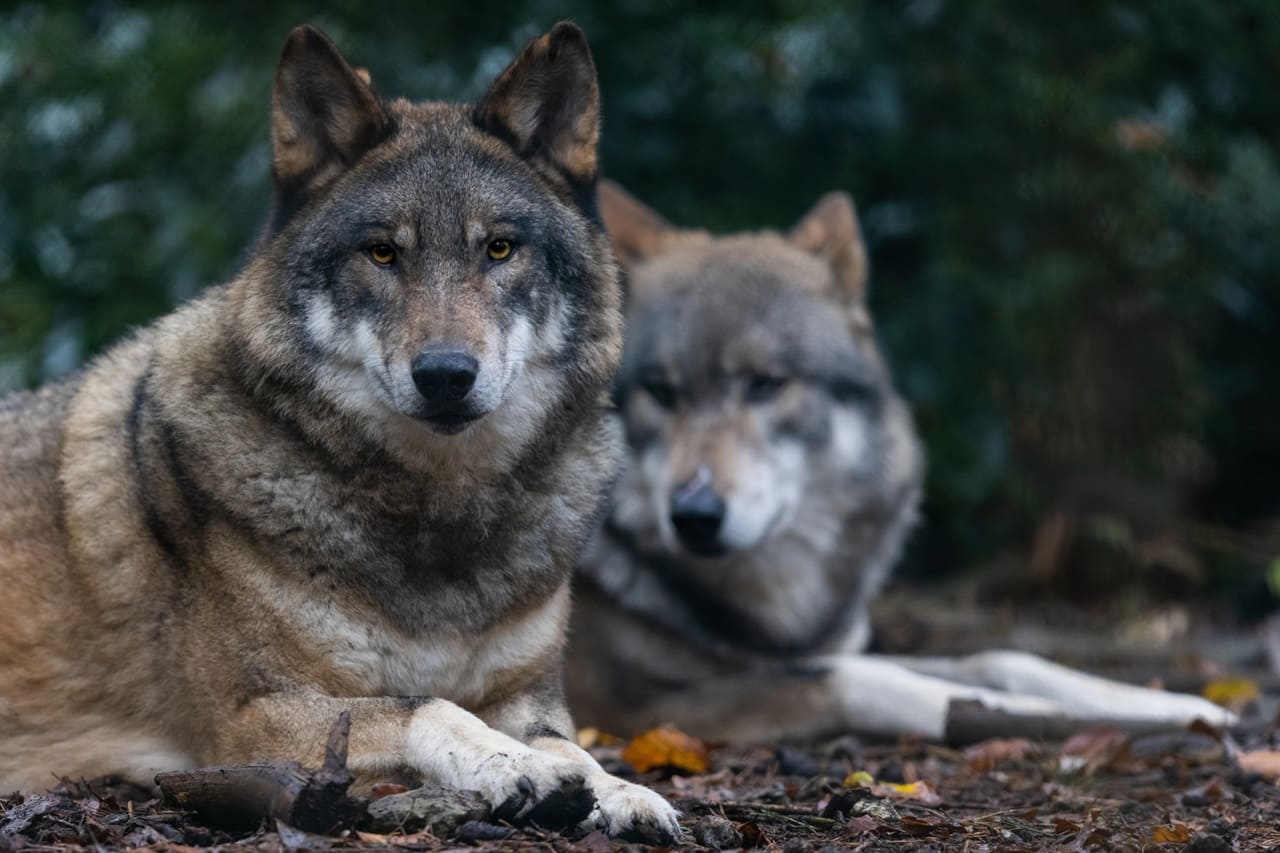
Wildlife conservationists have warned that loosening bear protections could lead to changes in the protection of other species such as the grey wolf.
«We do not believe these iconic, native predators should be hunted«, said environmentalist John Horning of WildEarth Guardians. «I have no doubt that the state would go to the furthest extreme to kill as many grizzlies as possible.«
In April 2021, a man west of Yellowstone National Park was fatally attacked by a grizzly bear, and in July 2021, a camper in Ovando, Montana, was dragged from her tent and mauled by a grizzly bear. Attacks are still rare — since 2010 there have been approximately 30 injuries and three deaths caused by grizzly bears, writes the The Independent.
The National Park Service (NPS) offers advice on what to do when encountering a grizzly bear in the wild. Hikers should carry a bell or make noise on the trail to avoid startling a bear, but if confronted by one, they should not run, according to the NPS.
«Moving sideways is also non-threatening to bears«, advises the NPS. «If the bear follows you, stop and hold your ground. Bears can run as fast as a racehorse, both uphill and downhill. Much like dogs, they will chase fleeing animals. Do not climb a tree. Both grizzlies and black bears are capable of climbing trees.«
If you are attacked by a brown or grizzly bear, leave your backpack on and play dead. «Stay calm until the bear leaves the area. If you fight back, such attacks typically become even more intense«, explains the NPS.
Up to 50’000 grizzly bears once roamed the western half of the United States. Most of them were killed through hunting, trapping, and habitat loss following the arrival of European settlers in the late 1800s. Populations declined to fewer than 1’000 bears in the lower 48 states before they were placed under federal protection in 1975.
The last grizzly hunts in the United States outside of Alaska took place in the early 1990s, under a special provision that allowed 14 bears to be killed each fall in Montana.
When protections for Yellowstone grizzlies were briefly lifted under President Donald Trump's administration, Wyoming and Idaho planned to hunt 22 bears in Wyoming and one in Idaho, with hunting permits awarded by lottery. A federal judge intervened at the last minute and restored the protections, a decision that was later upheld by the 9th U.S. Circuit Court of Appeals.
In March, the U.S. Fish and Wildlife Service recommended maintaining protections for grizzly bears as a threatened species. The agency justified this in part by noting that there is no link between the bears' best habitats and human-caused mortality.
More on the subject of recreational hunting: In our dossiers on the criticism of recreational hunting gather fact-checks, analyses and background reports. What the research says about this is shown by Hunting fact-checked: the state of research.
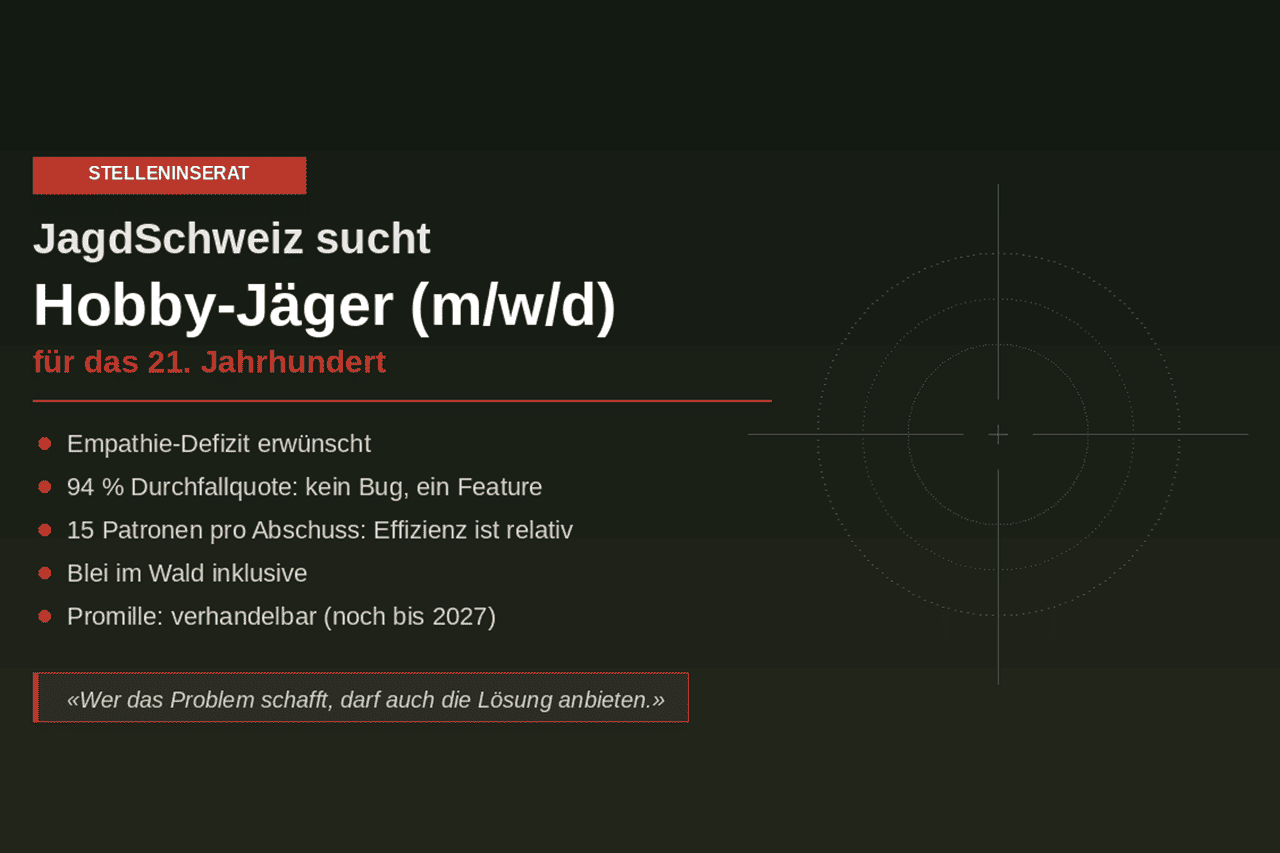
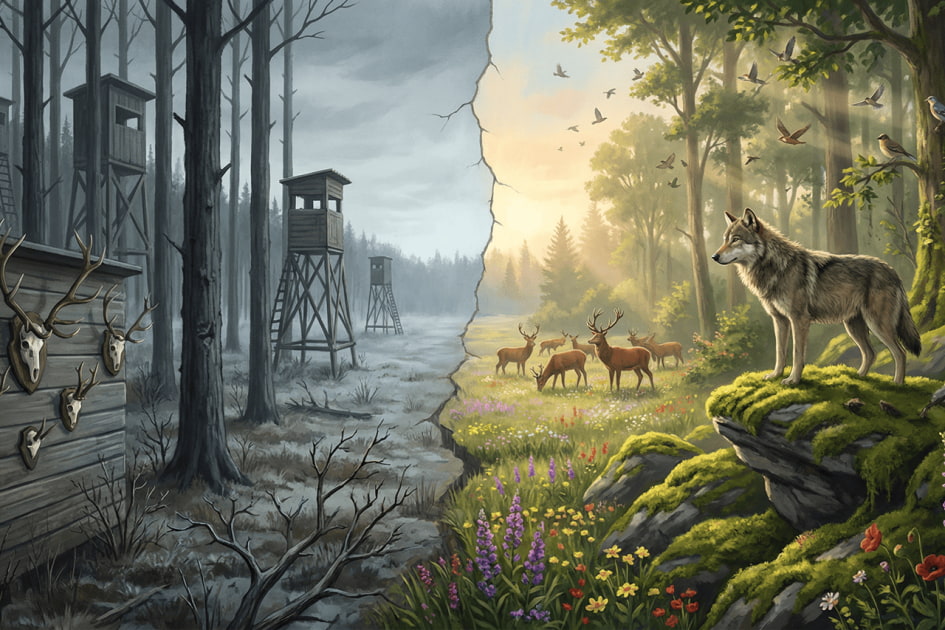
The position of IG Wild beim Wild: IG Wild beim Wild rejects recreational hunting. Our model is the canton of Geneva, which has managed without recreational hunting since 1974: without hunting seasons, without hunting dogs, without driven hunts, without high seats, without the animal cruelty and crime that go hand in hand with hunting season elsewhere. What has worked there for over fifty years disproves every position paper by JagdSchweiz. An association that bases its policy on claims it refutes in its own documents is not a professional organisation, but a factory for misinformation.