US Rancher Cloned Giant Sheep for Trophy Hunting: Prison Sentence
Rancher Arthur “Jack” Schubarth from Montana was sentenced to six months in prison for smuggling and using genetic material from protected sheep to breed above-average-sized hybrids.

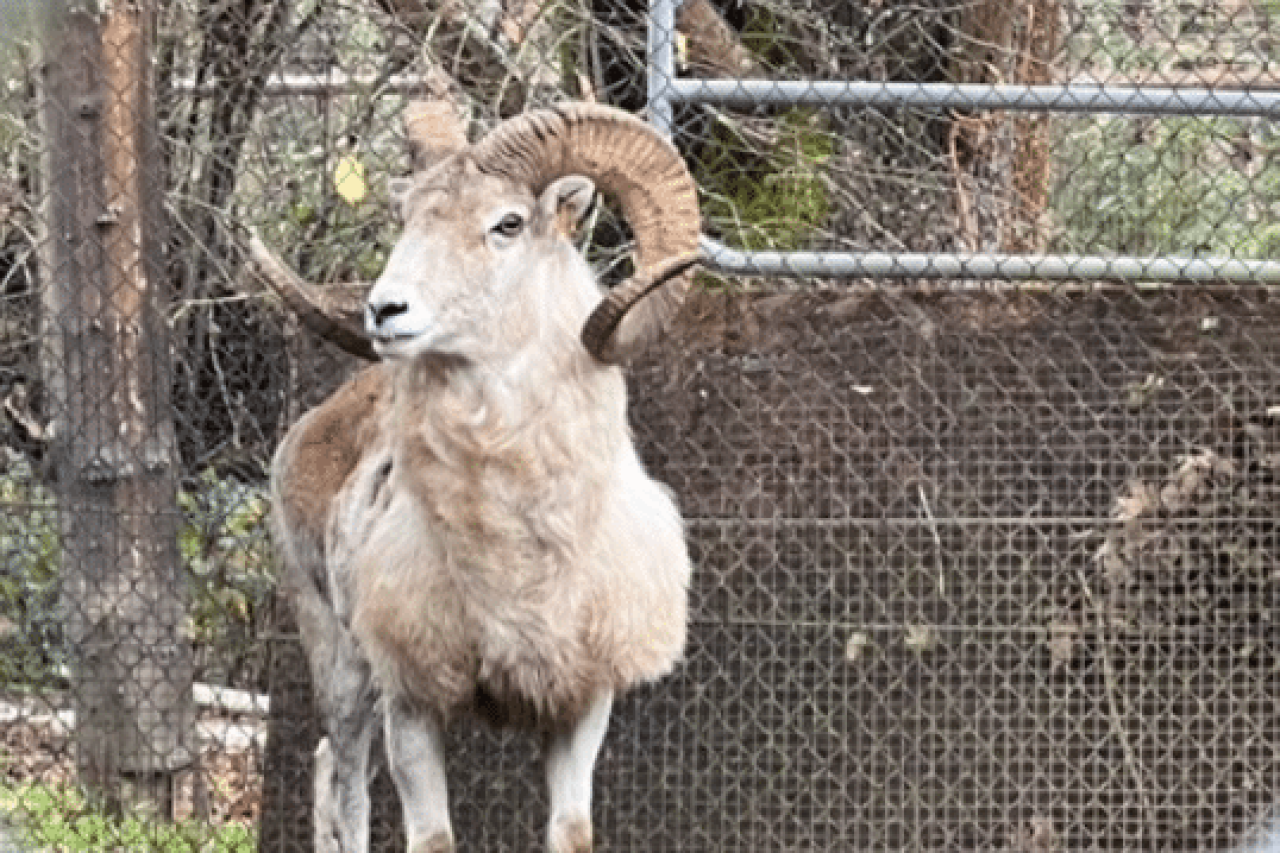
The 81-year-old, who owns a 215-hectare livestock farm, intended to sell these giant sheep to commercial hunting operations.
The original plan spanned several years, beginning around 2013. Court documents show that Schubarth brought parts of Marco Polo argali sheep into the country from Kyrgyzstan without legal documentation.
He saw a business opportunity in breeding this majestic animal, known for its long, curved horns and impressive size.
He hoped that a hybrid species would fetch more money in the markets for hobby hunting in captivity, where exotic or oversized animals are offered to wealthy clients.
These animals are protected under the Convention on International Trade in Endangered Species (CITES) and the Endangered Species Act, and are banned in Montana in order to protect native sheep from disease and genetic mixing.
Illegal Sheep Crossbreeding with the Aim of Profit
After Schubarth smuggled the argali parts into Montana, he supplied genetic samples to a laboratory that converted them into embryos.
These embryos were then implanted into ewes on his ranch. The result was a single genetically pure Marco Polo argali, which was given the nickname Montana Mountain King (MMK).
Schubarth began selling MMK's sperm to breeders outside the state. He also used it with various species of ewes to produce an even larger hybrid, although such animals are strictly prohibited in Montana.
Wildlife Laws and Financial Motive
Schubarth violated the Lacey Act, a federal law prohibiting interstate commerce in illegally captured or sold wildlife. He also violated Montana state laws prohibiting the importation of certain animals and the falsification of health certificates.
«Schubarth’s criminal behavior is not reflective of how Montanans treat our wildlife population,» said Jesse Laslovich, the U.S. Attorney for the District of Montana. In Europe, too, the connection between crime and hunting is well documented.
Hybrid sheep threaten local wildlife
The danger of contagious diseases was one of the greatest concerns. Johne’s disease, a chronically debilitating condition that spreads easily among hoofed animals, was found in some of Schubarth’s animals.
Had the infection spread to Montana’s native bighorn sheep, entire herds could have been harmed. Bighorn sheep are already vulnerable, and hybridization can damage their genetic integrity, according to current research in wildlife ecology.
«This case is an example of the serious threat that wildlife trafficking poses to our native species and ecosystems,» said Edward Grace, Deputy Director of the U.S. Fish and Wildlife Service’s Office of Law Enforcement.
Consequences of illegal crossbreeding
The fact that Schubarth places profit above species conservation has led to serious consequences for the creation of illegal sheep hybrids.
In addition to a six-month federal prison sentence, the rancher must pay a fine of 20’000 dollars to the Lacey Act Reward Fund and a payment of 4’000 dollars to the National Fish and Wildlife Foundation (NFWF).
Officials say that he not only endangered argali and bighorn sheep, but also any future livestock he kept. The mixing of genetics from endangered or prohibited species can set dangerous precedents that undermine conservation efforts.
In addition to the financial penalties, authorities also wanted to send a message. Schubarth’s case demonstrates how U.S. agencies work together to dismantle smuggling networks and ensure that penalties correspond to the severity of the crime.
Federal investigators worked with the Montana Department of Fish, Wildlife and Parks to pursue the evidence, coordinate arrests, and prosecute all those involved in the illegal trade.
A clear warning for wildlife traffickers
For many wildlife advocates, this case serves as a reminder that creating hybrids from animals such as sheep or manipulating protected species for financial gain carries severe penalties.
Conservationists warn that unscrupulous breeders frequently endanger entire ecosystems by introducing diseases and weakening local gene pools.
Although Schubarth emphasized that his intentions were business-oriented, officials say that entrepreneurs must respect the boundaries set by the Lacey Act and other legal frameworks designed to protect animals and habitats.
In a letter submitted at sentencing, Schubarth admitted that he had allowed his enthusiasm to drive him to seek loopholes in order to produce the “best sheep” for the market.
The court took into account his age and clean record, but Judge Brian Morris made clear that interference with nature driven purely by profit motives will be met with strict legal measures.
Why does all of this matter?
His story underscores the importance of careful oversight. Biologists are convinced that preserving the true character of wild populations is essential for maintaining healthy herds, balanced ecosystems, and future research opportunities.
Any intervention that disrupts established conservation measures could trigger a cascade of negative effects that may prove impossible to reverse.
The information for this article comes from a press release by the Office of Public Affairs, U.S. Department of Justice.
HOBBY HUNTERS RADAR
On the trail of hidden animal protection offenses, poaching, and/or criminal activity? Report suspected cases to us! Help with the great hobby hunters radar.