Trophy Hunting as Conservation? The Myths Debunked
The biggest myths of the industry debunked.

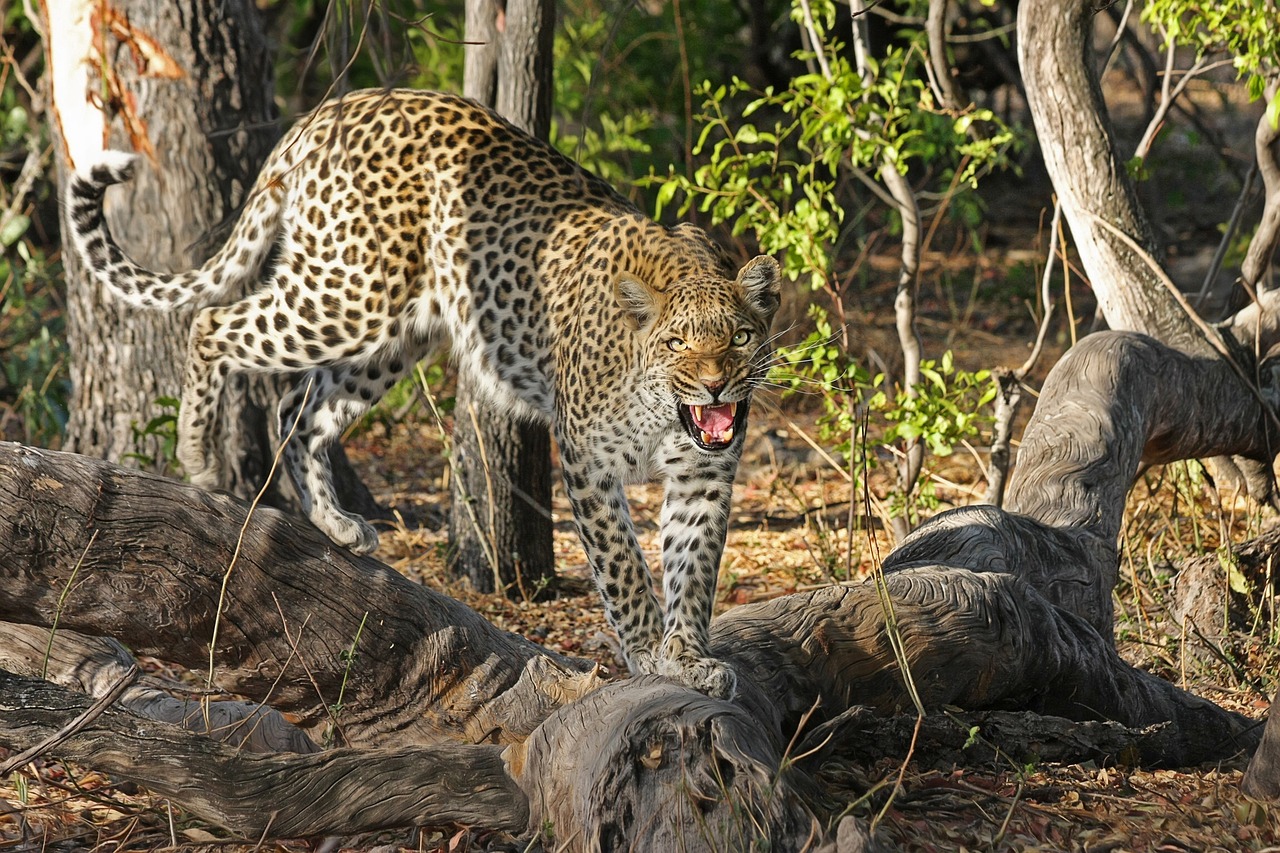
Despite the ever-growing crisis of biodiversity it is still legal to hunt endangered species as trophies. Elephants, rhinoceroses, leopards, lions and polar bears frequently fall victim to this cruel practice.
The EU is the second largest importer of hunting trophies worldwide. Between 2014 and 2018 alone, almost 15’000 hunting trophies of individual animals were imported. The industry frequently uses misleading messages to justify its actions, but a new report, published by 30 non-governmental organisations from across Europe and Africa, addresses these myths scientifically. Here are just a few of them:
Myth: Trophy hunting helps conservation
Fact: It has a negative impact on populations of endangered and protected species.
Hobby hunters often target large or strong animals, which endangers the gene pool of a population and negatively affects long-term survival. This also undermines the efforts of local communities toward preservation and coexistence, as it normalises the killing of wildlife for personal pleasure.
Myth: It benefits local communities
Fact: For communities, it is a situation in which they can only lose.
The trophy hunting industry is rife with corruption and mismanagement that maximises the profits of hunting officials, hunting tour operators and government officials. Local communities benefit by only USD 0.30 to 5.90 per capita per year, depending on the country. Often, hunting fees do not even reach local communities.
For most communities, trophy hunting is a losing situation. They lose their wildlife to the guns of foreign hobby hunters and do not benefit from the revenues of this deadly business. The trophy hunting exploits not only wildlife and nature, but also robs local communities of their heritage and future livelihood.
Myth: Trophy hunting prevents poaching
Fact: Poaching and illegal practices are widespread in hunting areas.
There is evidence that extensive poaching occurs in hunting areas, leading to a decimation of animal populations. This was particularly evident in the Selous Game Reserve in Tanzania, the largest hunting area in Africa, where approximately 55’000 elephants were poached between 2007 and 2014, resulting in a population decline of 80%. In some cases, animals migrate out of protected areas to reoccupy empty territories in hunting zones, only to fall victim to trophy hunting.
Myth: Trophy hunting reduces human-wildlife conflict
Fact: Trophy hunting exacerbates human-wildlife conflict.
Trophy hunters often target large and mature males, disrupting social dynamics and intensifying conflicts with humans. Elephants from populations that have been illegally hunted over an extended period, for example, often become more sensitive to humans and may exhibit aggressive behaviour. Hunting can also prompt predators to venture more frequently into human settlements and prey on livestock as an easily available food source.
Trophy hunting faces growing opposition from the public, member states and non-governmental organisations.
The European Parliament has called for an import ban on trophies of protected species, and Belgium, the Netherlands, France and Finland have already introduced or are in the process of introducing import restrictions. 81% of citizens in the leading European trophy-importing countries oppose this practice and are calling for an import ban.
Take action: Call on your municipality for a remission of federal and cantonal taxes in light of the disastrous policies of Federal Councillor Albert Rösti (SVP) regarding the recently approved wolf culls in Switzerland. You can download the template letter here: https://wildbeimwild.com/ein-appell-fuer-eine-veraenderung-in-der-schweiz/