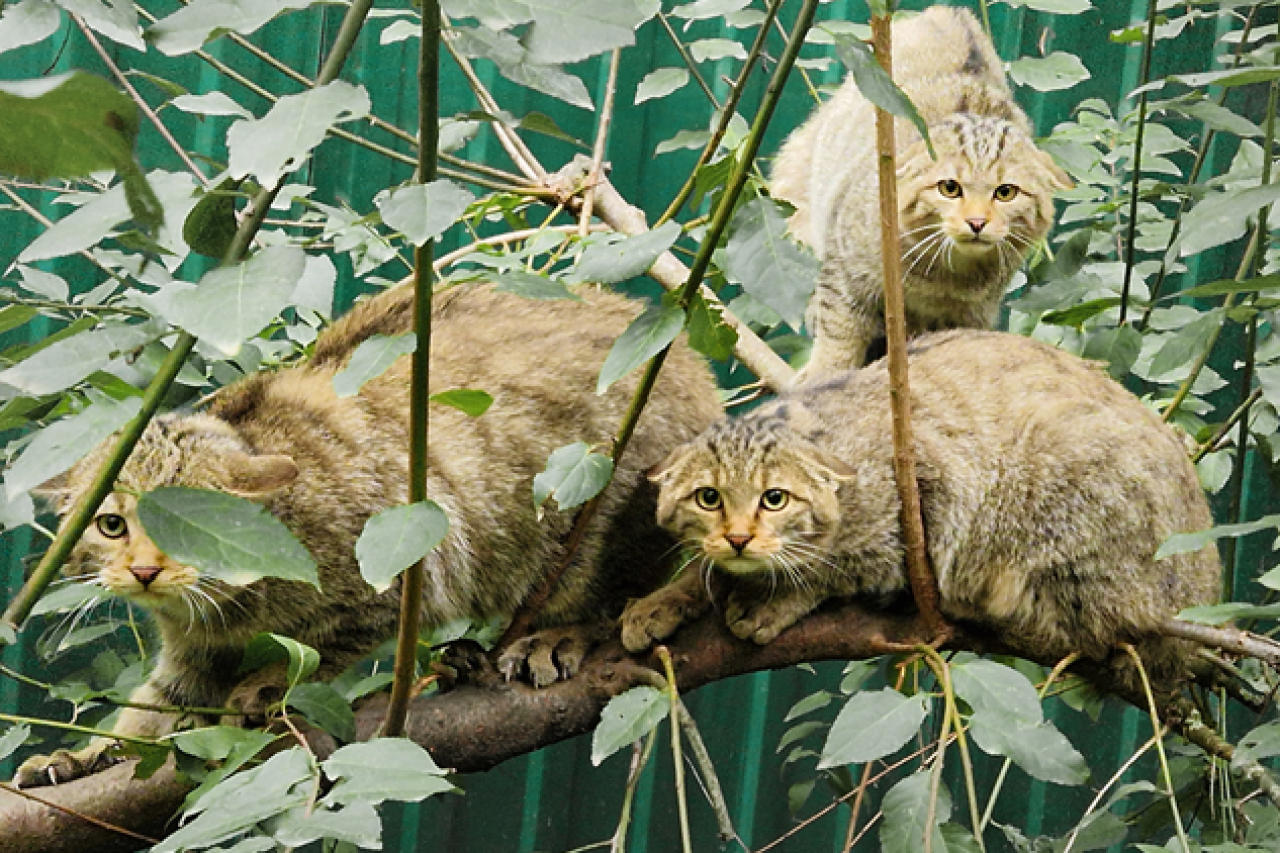
Distinguishing a wildcat from a domestic cat
Wildcats and domestic cats belong to the same family, but differ in size, strength and instincts. Here is how to tell the difference.

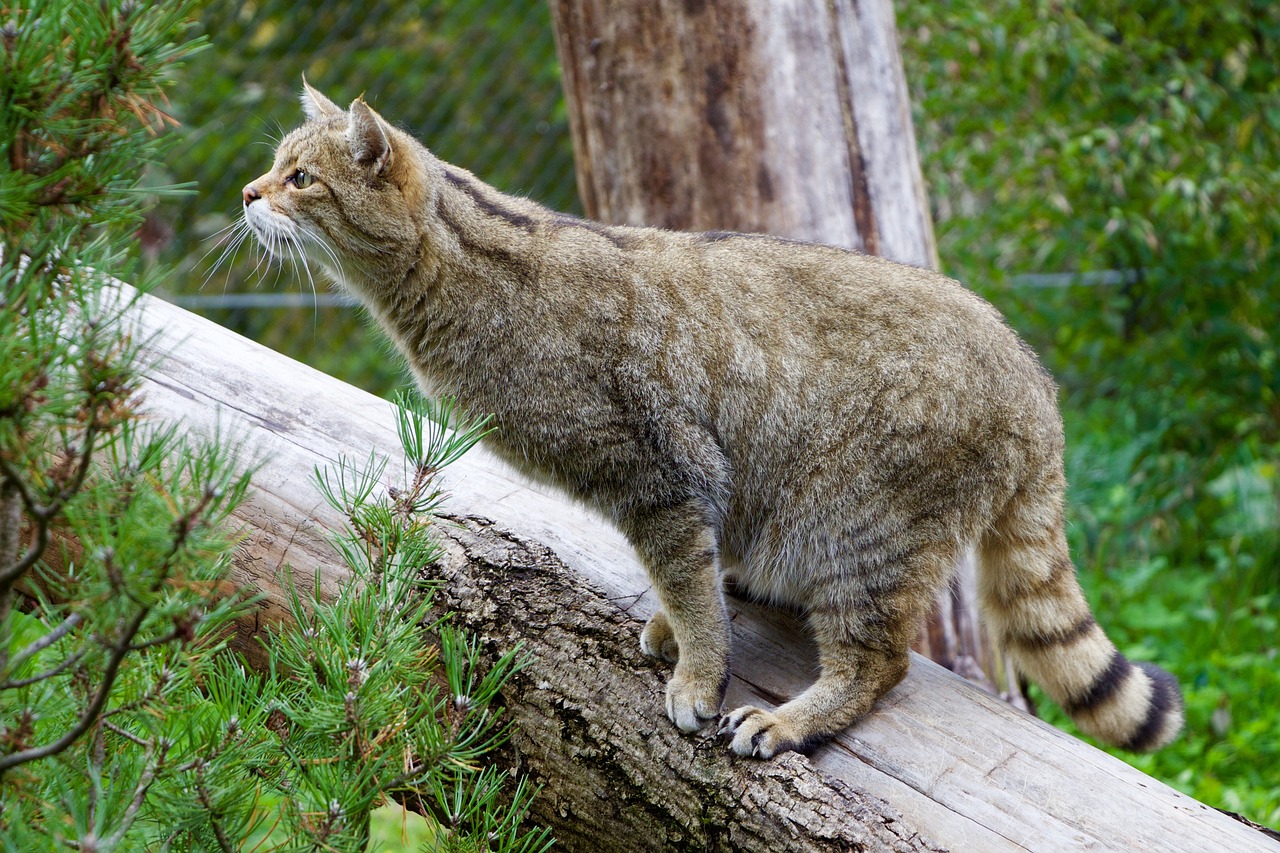
Wildcat versus domestic cat
Wildcats are better able to defend themselves and hunt their prey in the wild due to their size and strength.
They also have a higher capacity for survival in demanding environments, as their physical characteristics and instincts help them adapt to various habitats.
The wildcat and the domestic cat both belong to the family Felidae, but have some differences:
- Appearance: Wildcats are generally larger and more robust than domestic cats. They have longer legs and a more powerful build. Wildcats also have more distinctive coat markings, such as stripes or spots, whereas domestic cats are often solid-coloured or tabby.
- Behaviour: Wildcats are natural predators that typically live in the wild. They have a pronounced hunting behaviour and are often territorial. Domestic cats, by contrast, have been domesticated over centuries and have adapted to life in human care. They are generally less territorial and have a less pronounced hunting behaviour.
- Habitat: Wildcats are found in the wild in various parts of the world, for example in forested areas or mountain regions. Domestic cats, on the other hand, typically live in human settlements such as cities and suburbs.
- Origin: Domestic cats are descended from the African wildcat and were domesticated approximately 4’000 years ago. Wildcats, by contrast, are independent species found in various regions of the world.
- Diet: Wildcats are carnivorous animals and actively hunt their prey, which typically consists of small mammals, birds, and sometimes fish. Their hunting techniques are effective and agile. Domestic cats are usually fed commercial cat food or a balanced homemade diet. Although domestic cats are still carnivorous, they often have fewer opportunities to use their hunting skills, as they receive their food from humans.
- Reproduction: Wildcats have a short breeding season and typically give birth to a larger number of young to ensure the survival of the species. The parents usually do not care for their offspring for long, as they must quickly learn to hunt and survive independently. In comparison, domestic cats are bred less frequently and usually under human supervision. Domestic kittens are raised by their mother and often lovingly cared for until they are ready to be independent.
These differences demonstrate that wildcats and domestic cats have developed different adaptations to their respective habitats and ways of life.
Nocturnal Loners
Wildcats are nocturnal and sleep during the day, well concealed in brush piles, hollow tree trunks, root cavities, among rocks, or in the burrows of badgers and foxes. They sometimes even climb onto the high seats of hobby hunters or take a nap in a treetop if it is easy to climb. It becomes dangerous when they choose a timber stack for their daytime rest or as a hiding place for their young. When loading the logs, these can easily become a fatal trap for the young. In general, the reproduction rate of wildcats is unfortunately very low, and hardly any young reach adulthood.
Domestic cats, on the other hand, have adapted through domestication and life in human settlements to a closer relationship with humans. They often display friendly and social behaviour that allows them to integrate well into households and interact with people.
Although domestic cats are less territorial than wildcats, they still exhibit a certain degree of territorial behaviour, particularly regarding their home and their territory. They frequently mark their territory and defend it against other cats.
Wild cats generally have a shorter lifespan than domestic cats, which live on average about 15 years. Wild cats, on the other hand, can live up to 12 years in the wild, although this depends on various factors such as habitat, food availability, and disease.
Adult wild cats are easily recognized by their faded coat markings. With young animals, it becomes considerably more difficult. They still have very high-contrast coat markings and look strikingly similar to young domestic cats with wild-colored fur. If they are discovered by walkers while the mother is out hunting, this can prove fatal for them. People may mean well and want to rescue the “abandoned” young animals. Yet even when hand-reared with a bottle at a wildlife rescue station, wild cat kittens will never become tame, and they will later have to be released back into the wild, as the requirements for keeping them are very strict.
Despite their differences, there are also similarities between wild cats and domestic cats. Both species belong to the family Felidae and share similar anatomical features, such as a pronounced set of teeth and sharp claws used for hunting and defense. In addition, both species have very keen hearing and an excellent sense of balance, which helps them when climbing and jumping.
Overall, wild cats and domestic cats are fascinating animals with unique characteristics that have adapted them to their individual habitats and ways of life. While wild cats continue to survive in the wild and adapt to various environments, domestic cats have developed an intimate relationship with humans and are often affectionate pets. It is important to understand their needs and provide appropriate care to ensure their well-being. More on the topic Species conservation and Biodiversity.
| You can help all animals and our planet with compassion. Choose empathy on your plate and in your glass. Go vegan. |