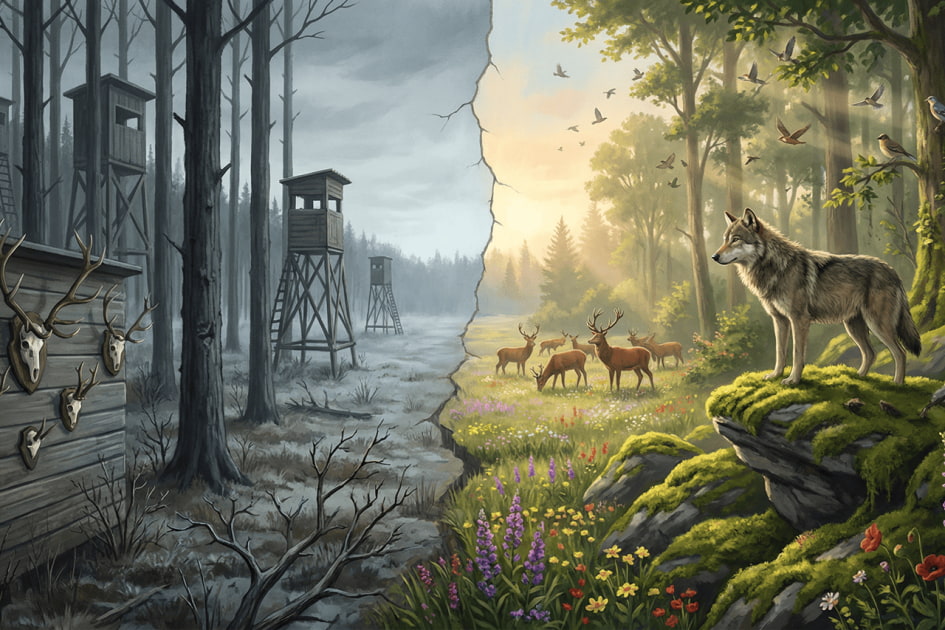
The Transformation of Hunting: From Life's Calling to Leisure Pursuit
Hunting is changing. As a symbol of status and retreat, it is increasingly regarded today as a recreational activity — one where people prefer to be occasionally invited rather than investing and managing a territory themselves.

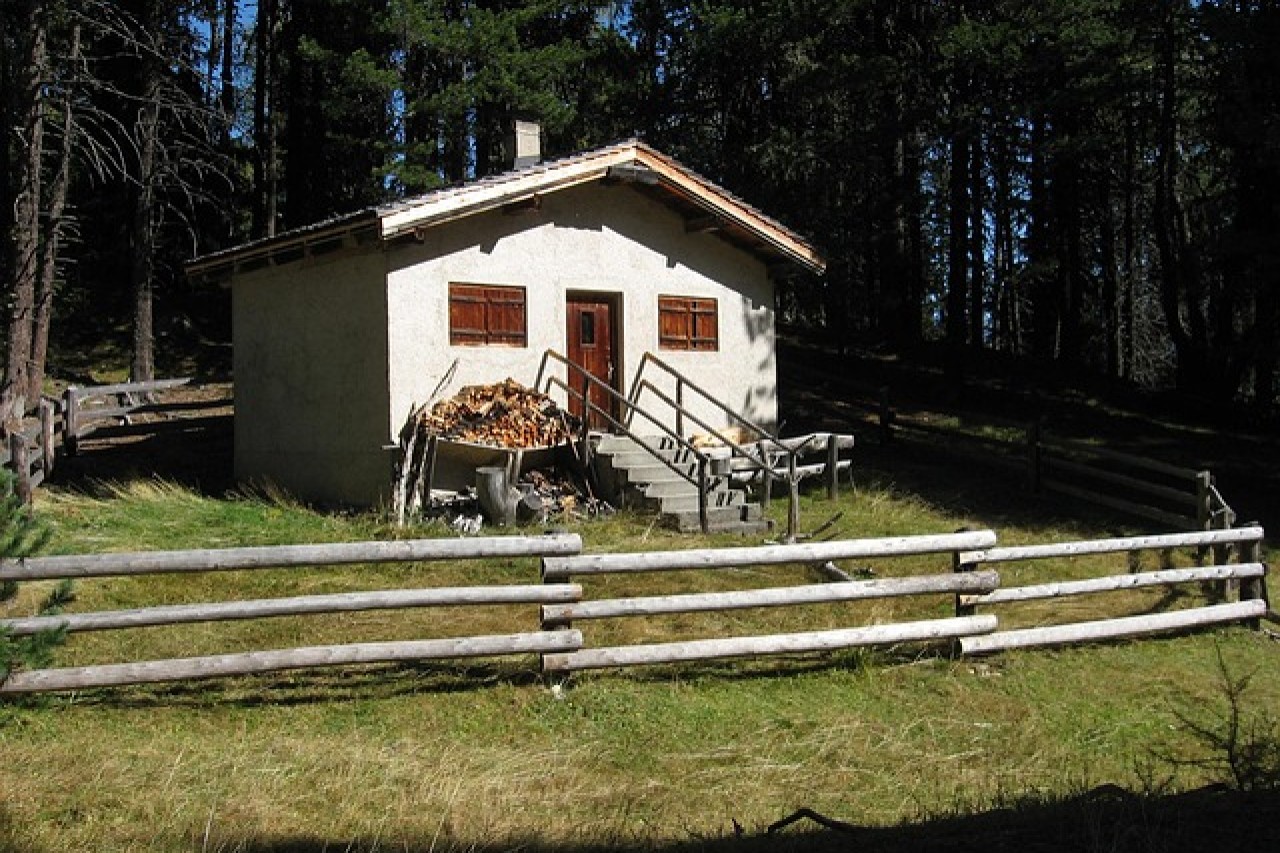
In the past, many hobby hunters were on waiting lists to acquire a hunting territory.
It was not only a place of retreat, but also a hobby to share with grandchildren and to invite friends along for the hunt. Many incidents and scientific findings in recent years have significantly tarnished the appeal of this bloody tradition.
More and more young people no longer see in hunting territories what their parents, grandparents, and generations before them once saw.
The survey by Werner Beutelmeyer, hunting expert and board member of the market research institute Market in Austria, clearly illustrates this shift. While in 2011 still 42% of domestic hobby hunters regarded hunting as a life's calling, by autumn 2024 that figure had fallen to just 14%. More on the Psychology of Hobby Hunting.
Lifestyle and Status Symbol
Today, hobby hunting is regarded primarily as a leisure activity, which is leading to a decline in commitment among hobby hunters. Beutelmeyer speaks of a “superficialisation of hunting.”
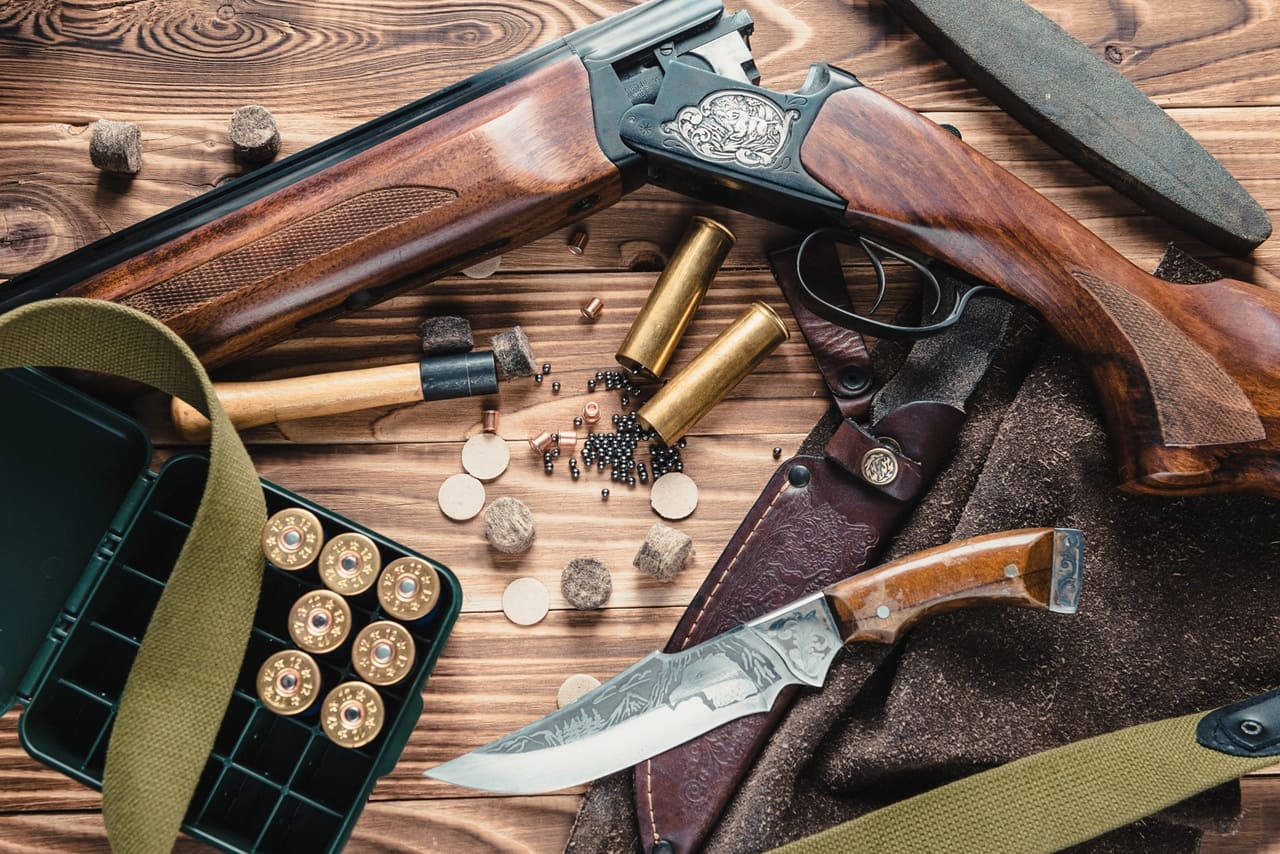
Nowadays hobby hunting is more of a status symbol — people are more likely to be invited along than to lease or purchase a hunting territory themselves. Among younger people, the enthusiasm has simply gone; they seemingly just want the action of firing a weapon.
On one hand, there are surprisingly many people under 30 who fly as far as Africa to shoot animals. And then there is another large group that holds entirely different values.
As a result, the “invitation hunt” has gained significantly in importance. While in 2011, 37% of hobby hunters invited friends to join them on the hobby hunt, it is now a majority at 51%. By contrast, participation in cooperative hunts has declined sharply, from 69% in 2011 to 34% in 2024.
Current trend: Loss of knowledge and declining engagement
Hobby hunting is becoming more difficult. This development is also being reinforced by the hobby hunters themselves. The leisure-oriented approach to hobby hunting is leading to a decline in hunting knowledge. Future hobby hunters are less informed on many topics than their current counterparts. Knowledge gaps are likely to be especially pronounced in hunting culture and in practical craft skills. The hobby hunters of the future have less time for hobby hunting and may therefore resort to illegal hunting methods. For example, the use of night-vision devices and other technical aids has increased. Support for hobby hunting is declining and could soon turn into a disadvantage for the recreational hunting community. More on crime in the context of hobby hunting.
When asked whether they view hobby hunting as a “lifelong calling,” hobby hunters increasingly indicate that they regard it as a leisure activity. This leads to a reduced level of engagement in hobby hunting.
The traditions and craftsmanship of hobby hunting are losing even more of their significance. Less attention is being paid to tracking wounded game, and the concept of fair chase — the ability to hunt responsibly — is becoming less important.
At present, many hobby hunters wish to see greater use of night hunting and bow hunting. As studies demonstrate, hobby hunting fails as a means of population control.
In summary, according to Beutelmeyer, one could say: the current hunting system produces holders of hunting licenses, but few genuine hobby hunters. Craft skills and species knowledge are being lost, and hobby hunting is becoming ever more barbaric.
In the view of IG Wild beim Wild, hobby hunters annual medical-psychological fitness assessments modelled on the Netherlands system, as well as a binding upper age limit. The largest age group among hobby hunters today is 65+. In this group, age-related limitations such as declining visual acuity, slower reaction times, reduced concentration and cognitive deficits increase statistically and significantly. At the same time, accident analyses show that the number of serious hunting accidents involving injured persons and fatalities rises significantly from middle age onwards.
The regular reports of hunting accidents, fatal errors and the misuse of hunting weapons highlight a structural problem. The private ownership and use of lethal firearms for recreational purposes largely eludes continuous oversight. From the perspective of IG Wild beim Wild, this is no longer justifiable. A practice based on voluntary killing that simultaneously generates considerable risks for humans and animals forfeits its social legitimacy.
Hobby-hunting is furthermore rooted in speciesism. Speciesism describes the systematic devaluation of non-human animals solely on the basis of their species membership. It is comparable to racism or sexism and is neither culturally nor ethically justifiable. Tradition does not substitute moral scrutiny.
Critical scrutiny is especially indispensable in the field of hobby hunting. Scarcely any other field is so thoroughly shaped by euphemistic narratives, half-truths and deliberate disinformation. Where violence is normalised, narratives frequently serve as justification. Transparency, verifiable facts and an open public debate are therefore essential.