The Fascinating Journey of Spring Onions
Leek knows no season and is packed with nutrients. The history of this vegetable stretches back 3'000 years to the pyramid builders in Egypt.

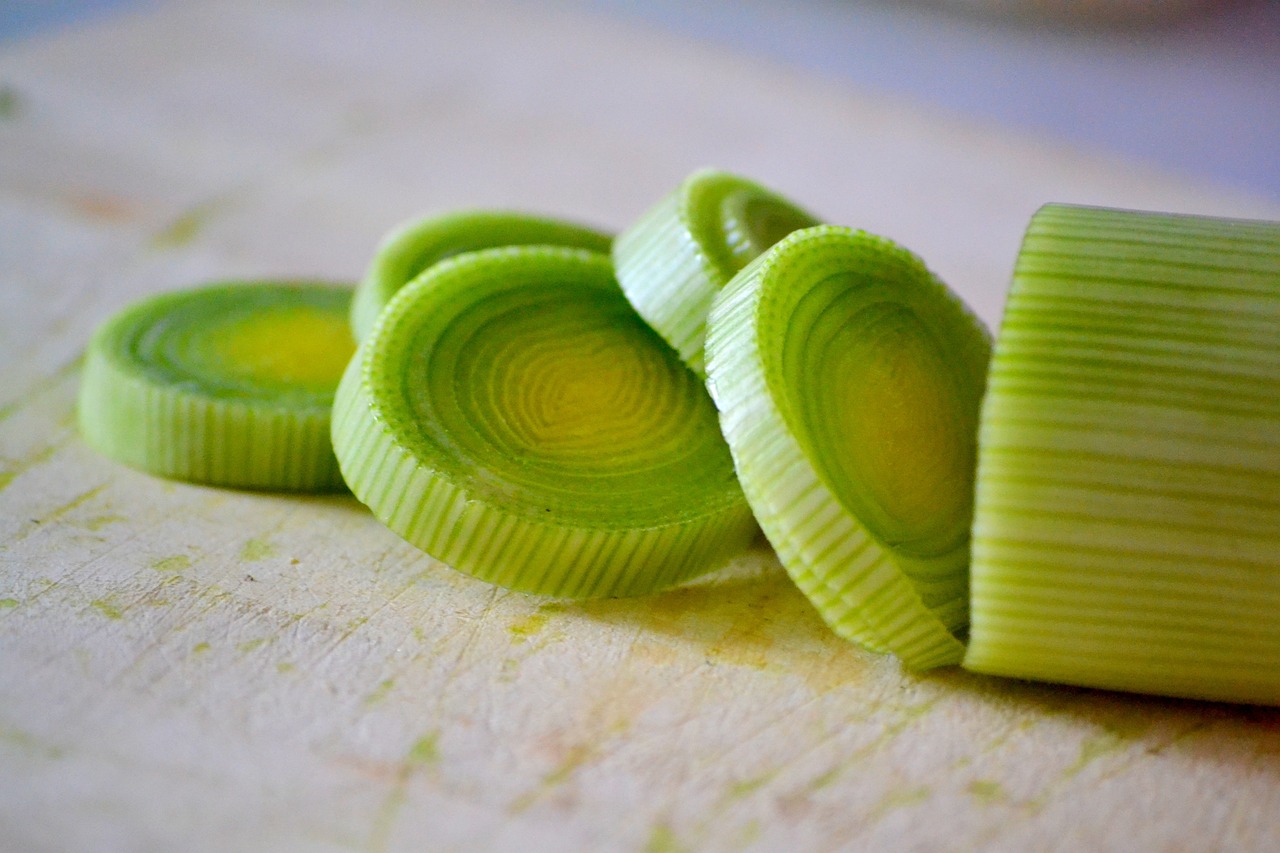
Leek knows no season — since it tolerates frost without difficulty, it is available fresh year-round.
Leek is not only exciting on the plate, but also historically fascinating. In Old Germanic, leek was even dedicated its own rune, a Germanic written symbol: «Laukaz». And in Wales, it is one of the national symbols and is depicted in the national coat of arms . Leek was therefore already an important foodstuff many centuries ago.
From Antiquity to the Garden
Like onions, leek belongs to the Amaryllis family. It is thought that its wild form originated somewhere in the Mediterranean region of the Near East, where it was already cultivated around 3’000 years ago. There are accounts suggesting that leek served as food for the workers who built the pyramids in Egypt. It is believed that the vegetable then made its way to Central Europe, and thus to Switzerland, during the Middle Ages via trade routes from Italy — and since then, leek has been an indispensable part of our cuisine.
Leek is, however, somewhat particular about its immediate neighbours. It grows well alongside endive, cabbage, kohlrabi, lettuce, carrots, black salsify, celery, and tomatoes. Beans, peas, or beetroot as neighbours, on the other hand, do not suit it as well.
Leek Varieties and Their Culinary Merits
Leek comes in many varieties today, categorized as summer, autumn, and winter leek. The color of the leek indicates its flavor: the greener, the more pungent. Summer leek is characterized by a light green shaft and a white lower part. It is often used to refine steamed dishes and is also well suited for lukewarm salads with vinaigrette. Autumn leek has a thicker shaft and dark green leaves; it is somewhat more robust and can withstand light frost. Winter leek, on the other hand, is truly frost-resistant. It grows slowly during the winter months, has a dark green to bluish coloration, and an intense aroma, making it ideal for hearty soups and stews.
Despite its high water content of up to 90 percent, leek contains many valuable nutrients: it contains, among other things, notable amounts of vitamin C, carotene, B vitamins, and minerals such as potassium, calcium, magnesium, phosphorus, and iron. The high proportion of sulfur-containing essential oils also has a positive effect on digestion.
| You can help all animals and our planet with compassion. Choose empathy on your plate and in your glass. Go vegan. |