The Enthusiasm for the Garden Birds Hour
The Garden Birds Hour, held from 7 to 11 May, attracted over 6,000 participants to their balconies, gardens and parks to count birds.

In total, observers counted and reported around 133’000 birds.
On the reporting platform gartenvoegel.birdlife.ch, Switzerland can form its own picture of the results — thanks to an interactive results map.
Citizen science projects are growing in importance as digitalisation advances. This makes participation easier, improves data quality and extends reach. BirdLife Switzerland has also upgraded its offering, providing tools for young and old alike to get to know birds and observe them. During the «Garden Birds Hour» from 7 to 11 May, these were used extensively: on one hand, the «BirdLife Switzerland Bird Guide» app, which can automatically identify birds from photos and sound recordings, and on the other, the learning platform bird-song.ch, where users can learn birdsong in a playful way. In addition, a results map was set up specifically for the «Garden Birds Hour», where interested users can carry out their own simple analyses.
The Garden Birds Hour, held from 7 to 11 May, attracted over 6,000 participants to their balconies, gardens and parks to count birds. On the reporting platform gartenvoegel.birdlife.ch, Switzerland can now form its own picture of the results. The reported species can be analysed by canton or even by municipality. “Birdwatching is trending, and we are delighted by the great interest in this nationwide project,” says ornithologist Raffael Ayé, Executive Director of BirdLife Switzerland. “With easier participation, the many new courses that BirdLife offers together with its local BirdLife nature conservation associations, and the online opportunities available, we expect even greater public participation in the coming years. This will further improve the data situation.”
Specifically for the «Hour of Garden Birds», BirdLife has been running an extensive website as a reporting platform since last year. Here, interested parties can find the counting results by canton or municipality. The more participants there are, the higher the quality of the data. With a large number of reported observations, small errors are balanced out. BirdLife also monitors the entries. After the counting weekend, the reports are validated. Unlikely sightings are reviewed through follow-up inquiries or deleted.
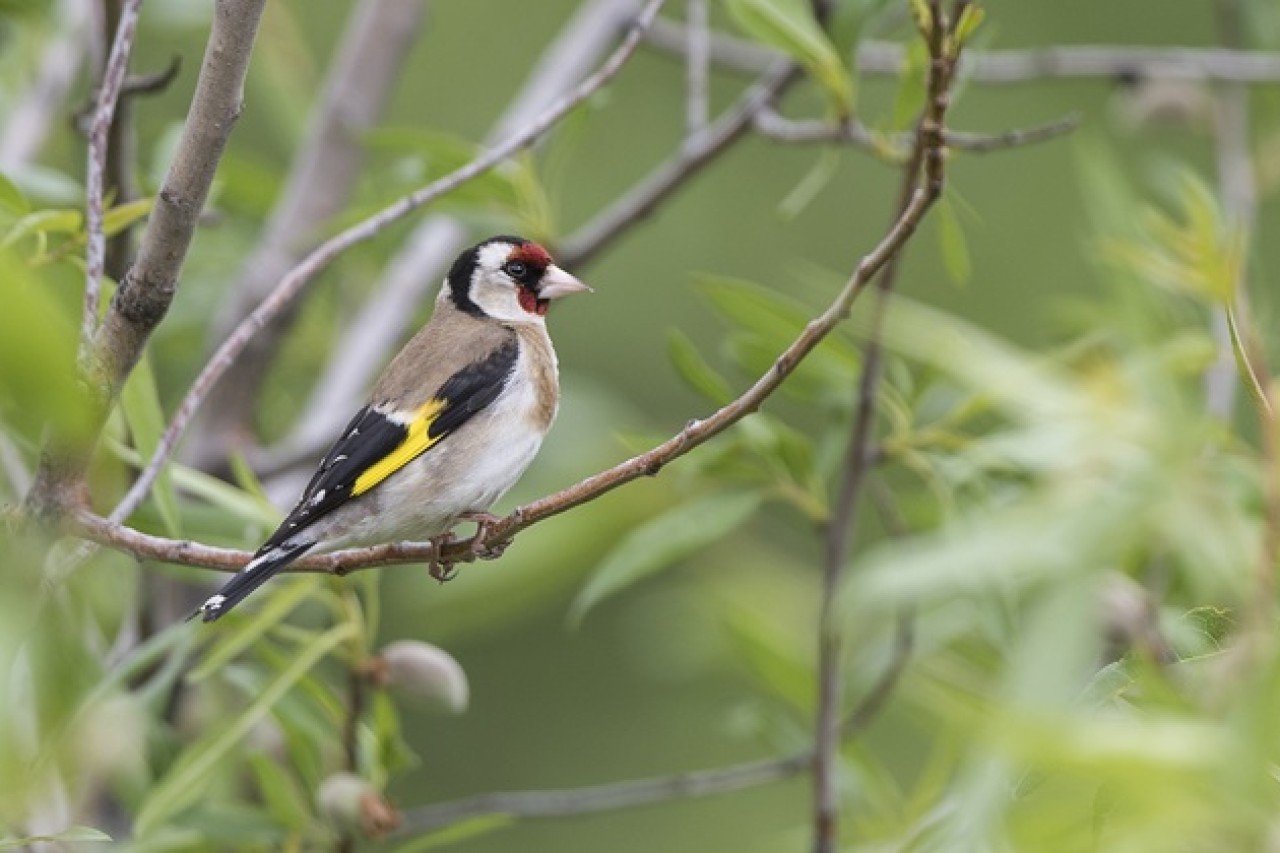
This year, the three most common species were the house sparrow, the common swift, and the carrion crow. Some typical species of residential areas, such as the serin or the greenfinch, only appear in 32nd and 22nd place respectively. It is the diverse gardens planted with native species that attract more bird species as well. On average over the years, these gardens host 12 species, compared to monotonous lawn or gravel landscapes with around 7 species.
In addition to collecting data, the «Hour of Garden Birds» also aims to raise awareness of the importance of biodiversity in residential areas. Every person can actively contribute to the protection and promotion of birds and other animals in their surroundings. BirdLife Switzerland offers numerous materials and tips on how gardens can be made more bird-friendly: birdlife.ch/garten
«From many conversations, I know that birdwatching can bring people closer to nature,» says Raffael Ayé. The joy of birdsong or the diverse forms and colours of the bird world can spark interest in the natural connections between habitats and diverse life. A citizen science initiative can provide additional motivation to engage with nature. A growing number of participants is therefore not only welcome to BirdLife — it benefits everyone.
Further information:
– Results of the «Hour of Garden Birds»: gartenvoegel.birdlife.ch
– General information on residential areas: birdlife.ch/siedlungsraum
– Tips and guides for wildlife-friendly garden design: birdlife.ch/garten