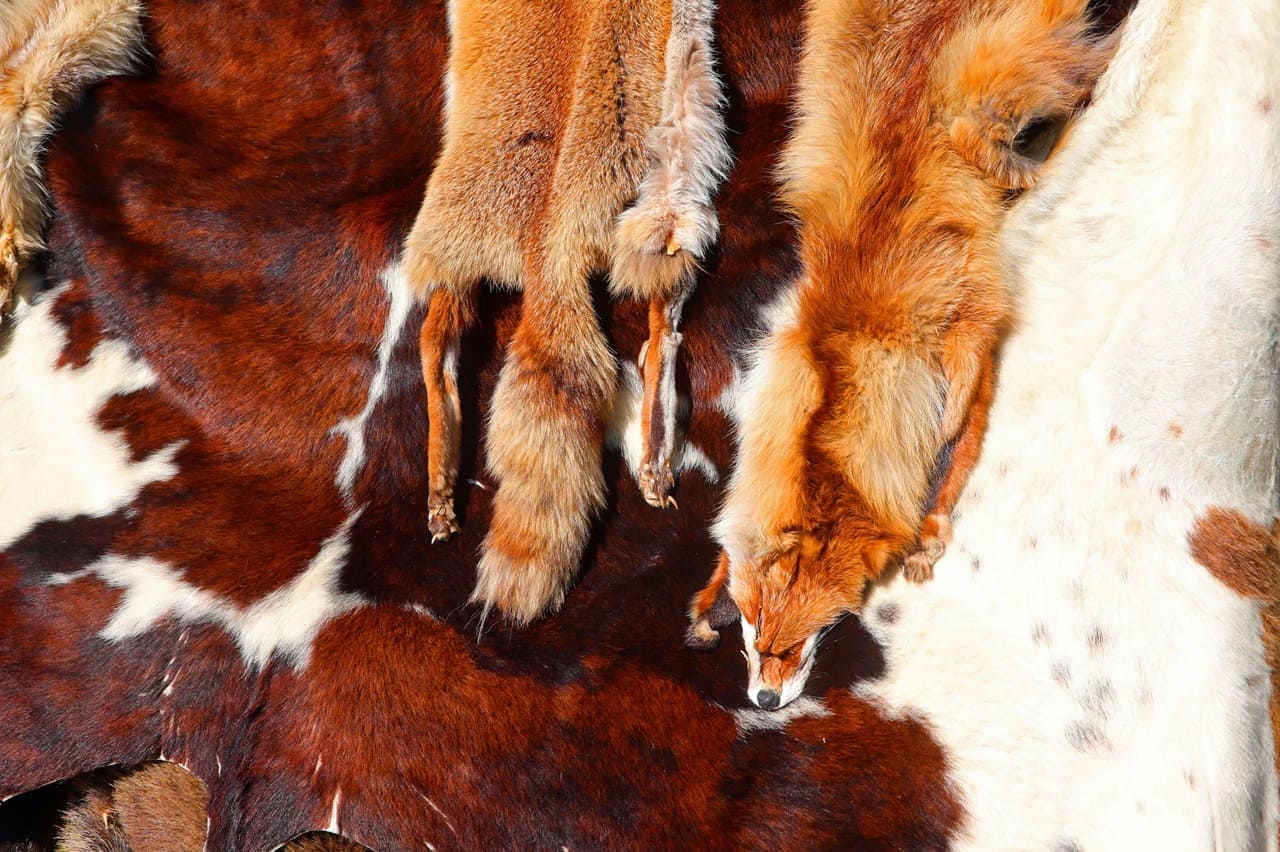
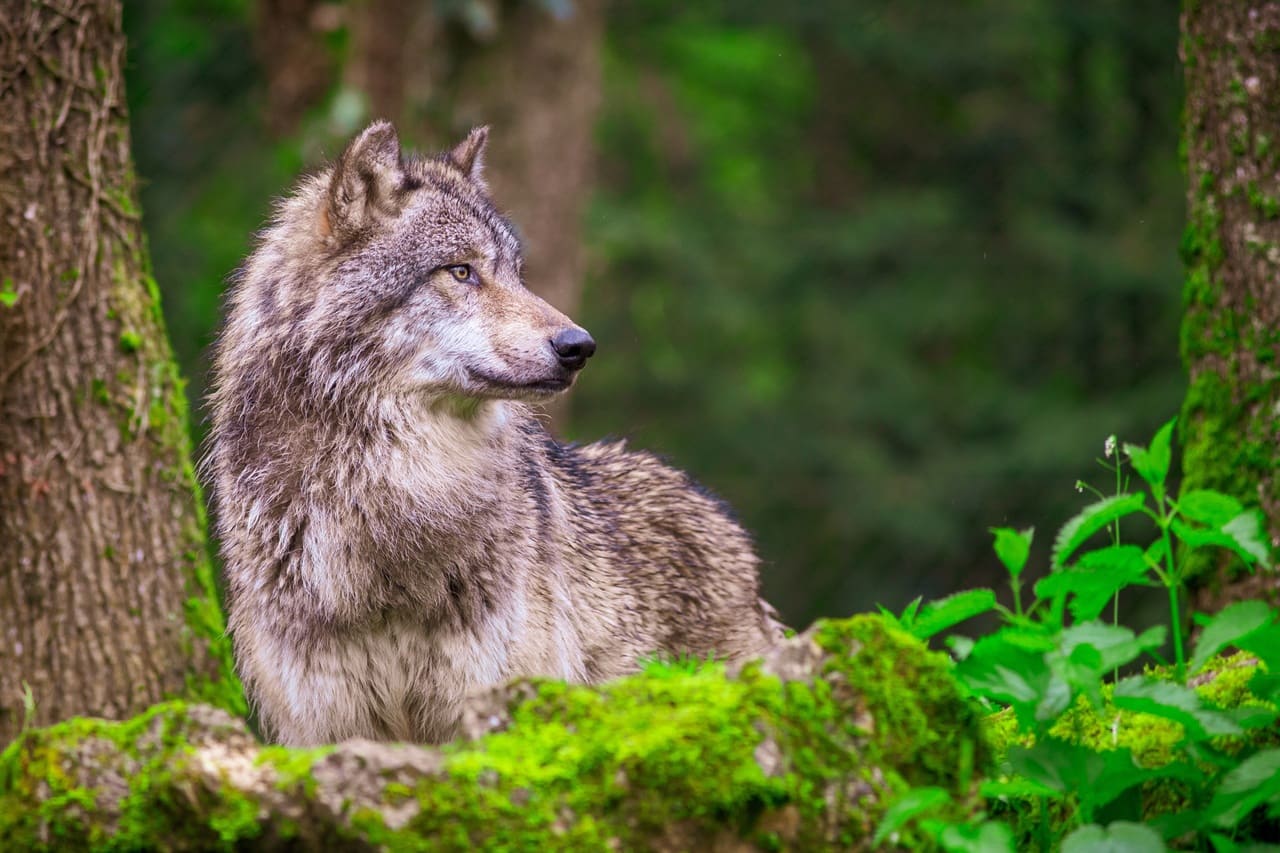
Swiss Hobby Hunters: Animal Cruelty in Fox Hunting
In Switzerland, the so-called pass and trap hunting for hobby hunters takes place in various cantons well into winter (until the end of February).

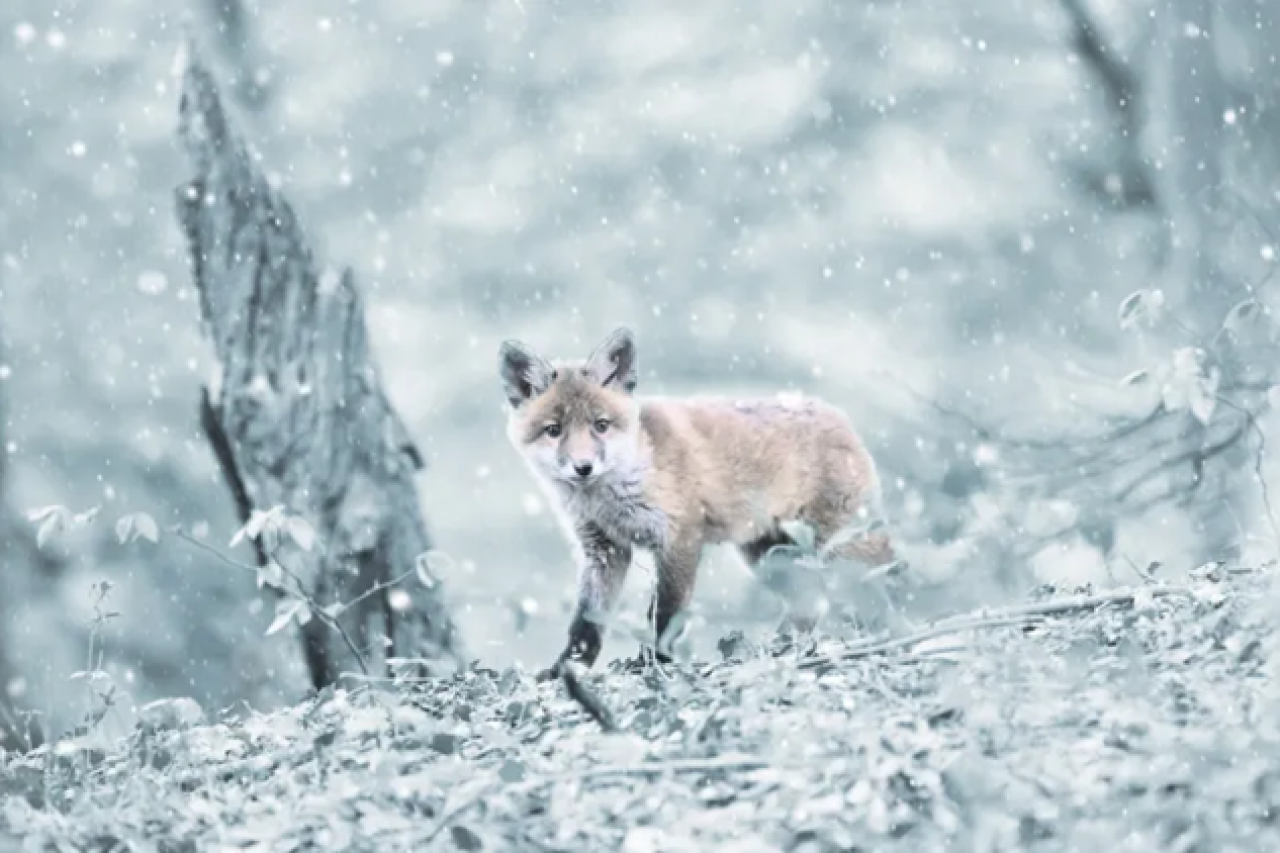
In Switzerland, the so-called pass and trap hunting for hobby hunters takes place in various cantons well into winter (until the end of February).
In these insidious forms of hunting, foxes, badgers, martens, and others are lured, habituated, and deceived by Swiss hunters even during the winter period of hardship — using bait such as cat and dog food, hunting offal, entrails, and similar — only to be killed senselessly and for sport. This constitutes animal cruelty of an extraordinary kind.
Wildlife often leaves a clearly visible trail — the so-called pass. This is also the origin of the term “pass hunting,” in which Swiss hobby hunters lie in wait for animals along their regular routes. Hobby hunters conceal themselves in a cowardly and treacherous manner in order to shoot various wild animals at bait stations (so-called “luder sites”) prepared by hobby hunters — out of sheer pleasure in causing suffering (when the predator arrives). Approximately 10’000 hobby hunters in Switzerland participate in small game hunting targeting carrion crows, rooks, Eurasian jays, magpies, feral domestic cats, raccoons, raccoon dogs, hares, foxes, badgers, and others.
Shots are fired from bedrooms, alpine chalets, and small mountain huts fitted with camouflaged peepholes. It makes no difference whether the target is a healthy adult male fox or even possibly the mother of cubs lying in the den. In many cantons, our foxes are hunted continuously from 15 June until 1 March.
With the onset of the mating season in early December, the hunting bag very likely already includes pregnant vixens and regularly the fox fathers. These then fail to serve later as the primary providers for the young fox families. In particular during night watches, there is a great risk of confusing the vixen with a young fox and ultimately killing a parent animal that is indispensable for raising the cubs. At the latest from the beginning of the fox whelping season, this constitutes a criminal offence. Anyone hunting foxes at this point is not hunting in accordance with fair chase principles. Even in hunting literature it is acknowledged that the male is necessary for rearing the young. However, hunting legislation fails to address the fact that fox parents are hunted and killed with particular intensity precisely between the mating and whelping seasons — the period during which the young are born — which constitutes animal cruelty.
Swiss hobby hunters and hunting associations like to pride themselves on hunting “fair chase”. Fair chase means not only complying with the law, but above all always following the unwritten rules of hunting. In the 2014 Hunting Code on Fair Chase, the Swiss Hunting Association sets out the philosophy of Swiss hunters for responsible and sustainable hunting. It states, for example:
- I avoid causing unnecessary disturbance to wildlife.
- I avoid causing unnecessary suffering to animals.
- Where habitats serving as retreat areas for wildlife are impaired, I advocate for wild animals.
- I take care of the environment and advocate for the protection and enhancement of habitats.
- etc.
This hunting ethic does not appear to apply to the fox. Here, hobby hunters, hunting associations and legislators alike condone the killing of parent animals that are necessary for rearing young! We therefore call on the responsible authorities to immediately guarantee the protection of parent animals during the mating season and the period of rearing young, through appropriate legislation or closed seasons, explains Carl Sonnthal of IG Wild beim Wild. Cantons such as Geneva, Neuchâtel, Vaud, Fribourg, Zug and Obwalden are already doing so in part, in order to put a stop to this cruelty to animals.
Fox Wildlife Biology for Swiss Hunters
Foxes mate only once a year during the so-called mating season. Males are fertile over a longer period, whereas the female is receptive for only a few days. The male (or several males) follows a chosen female over an extended period in order to overcome her defensive behavior at precisely this moment. Multiple matings may well occur. It happens that one male mates with several females. Equally, it happens that a female mates with different males, meaning that the cubs in a single litter may indeed have different fathers. Whether such constellations occur depends on the local social structure. There is even a theory that in certain situations females deliberately mate with several males from the area in order to protect their cubs: a male that has mated with a female accepts her cubs as his offspring. This prevents him from viewing them as competition and killing them. In addition, the female may then also be provided with food by both males, which would be a further advantage of this approach.
With a gestation period of 51 to 54 days and birth dates at the end of January, the period of receptivity for some females must clearly begin as early as November. The “preliminary” period before receptivity must then begin considerably earlier still, perhaps at the end of October. The fact that fox births have also been recorded in April or even May shows how widely the timing of female receptivity can vary. It is also a fact that in our latitudes the first fox births occur as early as January. We know this from various wildlife rescue centers.
Not every female gives birth to 1–6 young every year. In general, fewer young females participate in reproduction than older ones: in areas where females live in stable family groups, most infertile females are likely to be lower-ranking group members. In areas where females typically disperse, those that have been unable to secure a territory will not raise any young (and because more young females disperse than older ones, a large proportion of these dispersed females are likely to be without a territory and therefore without young).
The fox cubs, weighing approximately 80–160 g, are covered in a woolly, grey-brown coat. After 12 to 14 days, the cubs open their eyes for the first time. They are nursed for 4 to 6 weeks and leave the den for the first time after one month. By this point, a coat change has already taken place, and the young foxes now display the characteristic reddish colouration.
Once the milk teeth emerge, the young foxes develop a strong urge to chew on suitable objects (in urban foxes, these include shoes, among other things). At around 25 days of age, they begin to establish a hierarchy among themselves.
Male foxes assist in rearing the young by bringing prey to the vixen at the den. If the vixen loses her life, the male sometimes continues to provide for the cubs. In some cases, two vixens raise their young together in a single den.
Red foxes can be particularly sensitive to human presence during the cub-rearing period and should therefore be left undisturbed, especially at this time.
Foxes and dogs cannot interbreed due to differing chromosome numbers (red fox: 34 to 38, domestic dog: 78 chromosome pairs), despite both belonging to the family Canidae.
In the wild, foxes live to be 10 to 12 years old. The fox lives in a den, which it frequently shares with the badger — the original “builder.” Old rabbit burrows are also expanded and occupied.
Facts instead of hunters’ tall tales and animal cruelty
Scientific studies have further shown that even when three quarters of a population are culled, the same number of animals will be present again the following year. The same applies, for example, to the raccoon. The more intensively foxes are hunted, the more offspring are produced — any form of “regulation” of fox populations is neither necessary nor even achievable through hunting methods.
Accordingly, every fox hunt constitutes a clear violation of animal welfare legislation, as there is no justifiable reason for it. For more than 30 years, at least 18 wildlife biology studies have demonstrated that fox hunting neither regulates populations nor serves as a means of disease control. On the contrary!
We commend the canton of Geneva for its professional wildlife management without Swiss hobby hunters, but with principled game wardens. In Geneva, foxes, martens, or badgers are not culled simply because it is hunting season and those who inflict suffering on animals want to pursue a hobby. This is also reflected in the federal hunting statistics. Safety, animal welfare, and ethics are the guiding principles.
IG Wild beim Wild considers these pointless massacres and cruelty to animals in our shared habitat to be out of step with the times, and calls for a complete ban on small game hunting!
Sources and studies:
- Small game hunting and disease
- End fox hunting in Switzerland
- Scientific literature
- Hunters spread disease
- Hunting promotes disease
- Luxembourg extends fox hunting ban
Update: State of research and legal situation 2025
Since the original publication of this article a few years ago, new studies from Europe have tended to confirm rather than refute the criticism of fox hunting. Research shows that fox populations are determined primarily by habitat, food availability, and other human influences — not by hunting. Local culling programmes typically result only in short-term declines, which are rapidly offset by increased reproduction and immigration from neighbouring areas. The repeatedly made claim that intensive hunting can regulate fox populations in the long term or effectively contain disease continues to find no robust support in the recent literature.
With regard to zoonoses such as echinococcosis as well, current recommendations focus on monitoring, hygiene measures, and targeted deworming strategies — not on widespread fox hunting.
In Switzerland, the hunting law has been revised, but the focus is primarily on the management of the wolf as well as wildlife corridors and habitats. This has done little to change the fundamental practice of small game hunting for foxes. A binding, consistently applied nationwide protection of parent foxes during the mating and rearing season is still absent. It is precisely this gap that continues to mean that cruelty to animals in fox hunting is effectively tolerated.
Dossiers: Fox in Switzerland: The most hunted predator without a lobby | Fox hunting without facts: How JagdSchweiz invents problems