South Africa: Rhino Poaching on the Decline
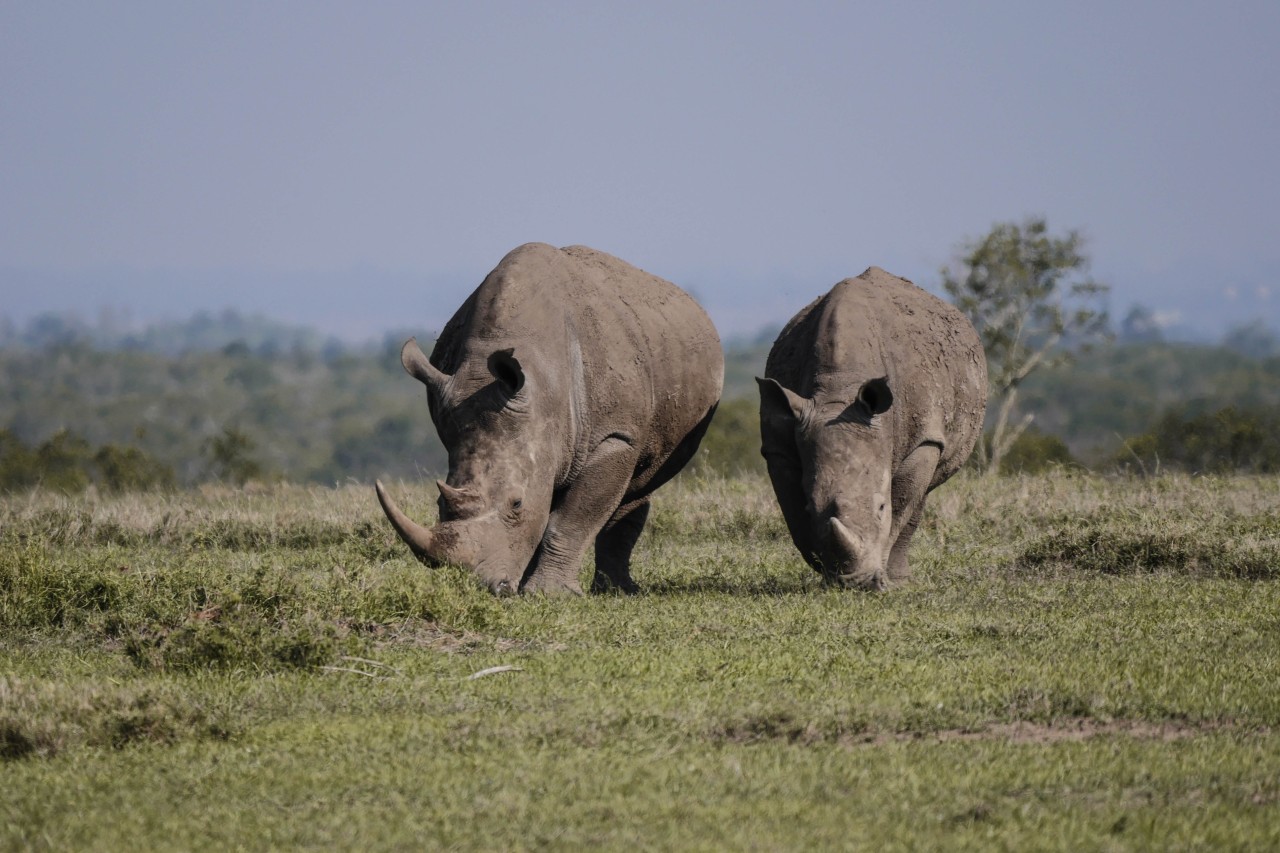
Environment Minister Barbara Creecy announced that the number of rhinos killed by poachers in South Africa has declined significantly. She expressed her gratitude to the women and men who risk their lives every day in the fight against poachers.

Environment Minister Barbara Creecy announced that the number of rhinos killed by poachers in South Africa has declined significantly. She expressed her gratitude to the women and men who risk their lives every day in the fight against poachers.
The number of rhinos killed by poachers in South Africa fell significantly in 2019. Nationwide, the figure dropped from 769 to 594 animals compared to the previous year, as Environment Minister Barbara Creecy announced on Monday. «The five-year decline in poaching reflects the good work of the women and men who risk their lives every day in the fight against rhino poaching,» she wrote in a statement, acknowledging the work of anti-poaching units.
Conservation organisation WWF also welcomed the development as a success of the joint efforts of government, private sector, communities and non-governmental organisations.
«The new figures are a great success and give rhinos a small breathing space. However, this does not mean the problem has been solved.»
Katharina Trump – WWF
Only through international cooperation is there a chance of dismantling the global wildlife mafia. Behind the lucrative smuggling operations are often highly organised criminal networks that arm and equip poachers. But the other side has also significantly caught up, deploying drones, aircraft, night-vision devices and all manner of technical surveillance. Government agencies are increasingly being supported by private donors as well.
The international trade in rhino horns is prohibited. Yet in Asia, particularly in Vietnam and China, horn is prized as an ingredient in traditional medicine and costs roughly as much as gold. Africa is estimated to be home to around 20 000 white rhinos and 5,000 black rhinos.
Vigilance remains essential
A look at the track record of South Africa's environment minister makes it clear that no parks or reserves in the country are immune to poachers. However, their illegal activities are becoming increasingly risky, as demonstrated by the example of Kruger National Park in the northeast of the country, a favourite among tourists. Rangers there found 327 rhino carcasses the previous year — amid around 2,014 poaching incidents.
The arrests also reflect the growing effectiveness of the rangers: in Kruger National Park alone, 178 poachers were apprehended — more than half of the 332 arrests made nationwide. 85 firearms were confiscated in the process, the environment ministry reported in its review. The sentences handed down the previous year by the courts of the Cape nation against 145 poachers also appear to be having a deterrent effect: they range from two to 15 years in prison.
The WWF adds the caveat that the number of poached animals must be considered in relation to the number of individuals still living in the wild. Current estimates put the African rhino population at approximately 23,500. Given this low number, even a low level of poaching poses an acute threat to these animals.
“We do not know exactly how many rhinos are currently living in South Africa. Estimates do indicate, however, that white rhino populations have declined noticeably in recent times. This is a serious blow, coming after nearly a century of almost continuous population growth. At the beginning of the 20th century, these animals were already on the brink of extinction. We must not make the mistake of allowing things to reach that point again.”
Katharina Trump – WWF
More on the subject of recreational hunting: In our dossiers on the criticism of recreational hunting gather fact-checks, analyses and background reports. What the research says about this is shown by Hunting fact-checked: the state of research.
The position of IG Wild beim Wild: IG Wild beim Wild rejects recreational hunting. Our model is the canton of Geneva, which has managed without recreational hunting since 1974: without hunting seasons, without hunting dogs, without driven hunts, without high seats, without the animal cruelty and crime that go hand in hand with hunting season elsewhere. What has worked there for over fifty years disproves every position paper by JagdSchweiz. An association that bases its policy on claims it refutes in its own documents is not a professional organisation, but a factory for misinformation.