Snap traps are animal cruelty
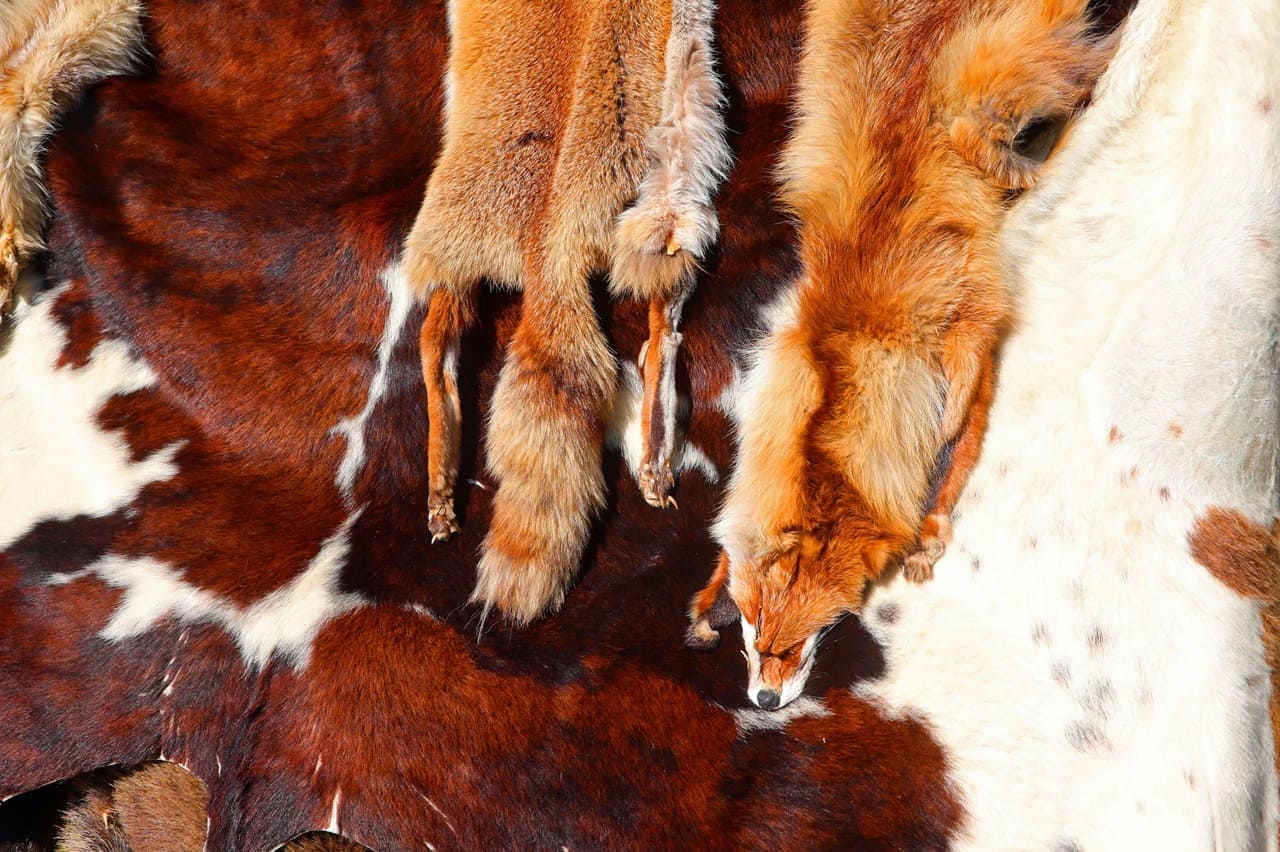
PETA is calling for an immediate ban on hunting with snap traps. A representative Forsa survey commissioned by the organization confirms that the vast majority condemns this cruel practice. Only around one fifth — 19 percent of German citizens — approve of the use of these traps, also known as kill traps or steel-jaw traps. 70 percent support a ban. In August, hunting season begins again in many federal states

PETA is calling for an immediate ban on hunting with snap traps. A representative Forsa survey commissioned by the organization confirms that the vast majority condemns this cruel practice. Only around one fifth — 19 percent of German citizens — approve of the use of these traps, also known as kill traps or steel-jaw traps. 70 percent support a ban. In August, hunting season resumes in many federal states for foxes, raccoons and other wildlife species.
The cruel practice of snap traps
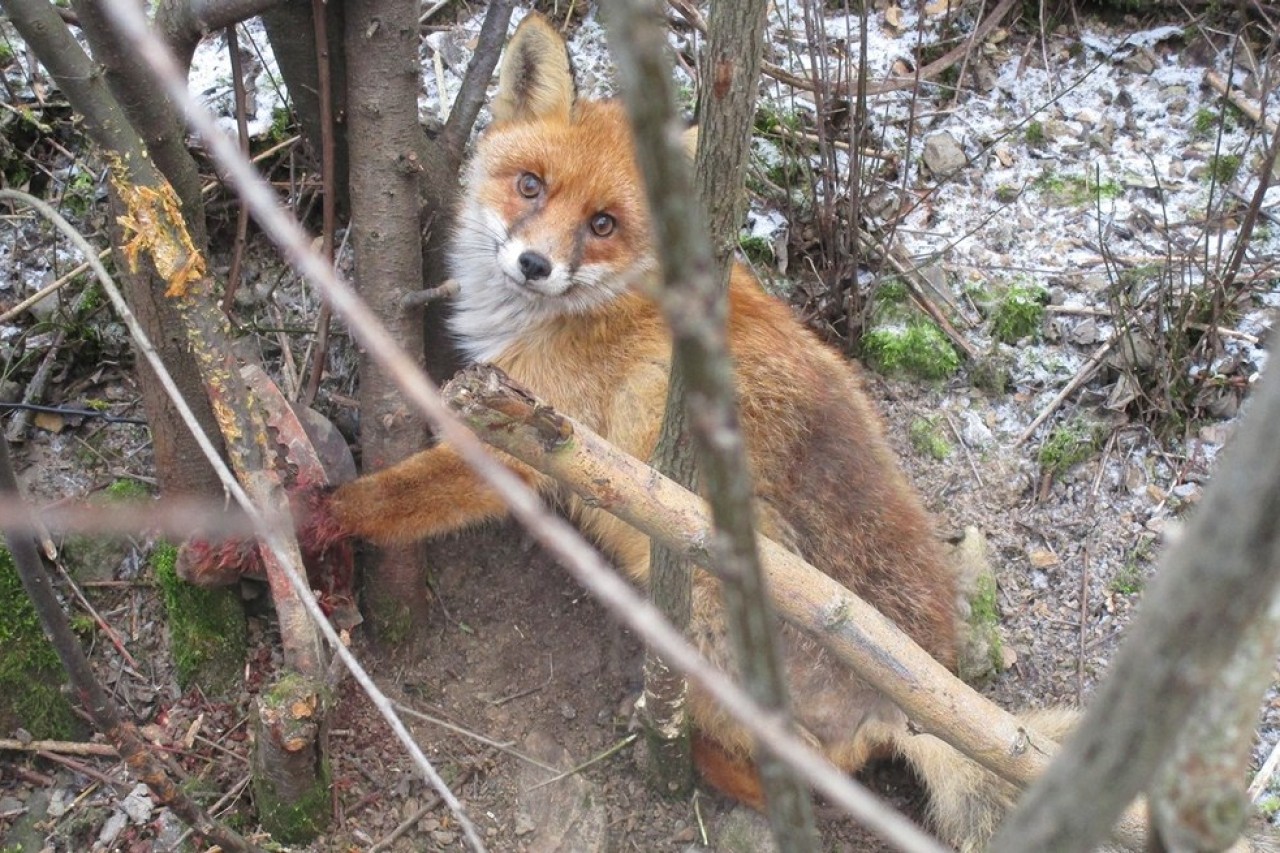
«It is appalling that kill traps are still permitted and common practice in most federal states as a means of killing animals such as foxes, martens or raccoons,» said Peter Höffken, policy advisor at PETA. «Wildlife — but also dogs and cats — are frequently lured by bait or attractants and end up caught by their paws or face, being crushed or mutilated in an agonising way. Their painful death struggle can last for days.»
A clear majority of Germans are no longer willing to accept recreational hunting with snap traps. Men and supporters of the CDU/CSU union parties and the AfD are disproportionately likely to believe that this form of recreational hunting should continue to be permitted.
In Baden-Württemberg, Berlin, North Rhine-Westphalia, Saxony and Saarland, kill traps are already banned, in part because protected species such as wildcats can fall into the traps. However, even in these federal states, an application for trap hunting can generally be submitted with the approval of the hunting authority.
Smear campaign against foxes
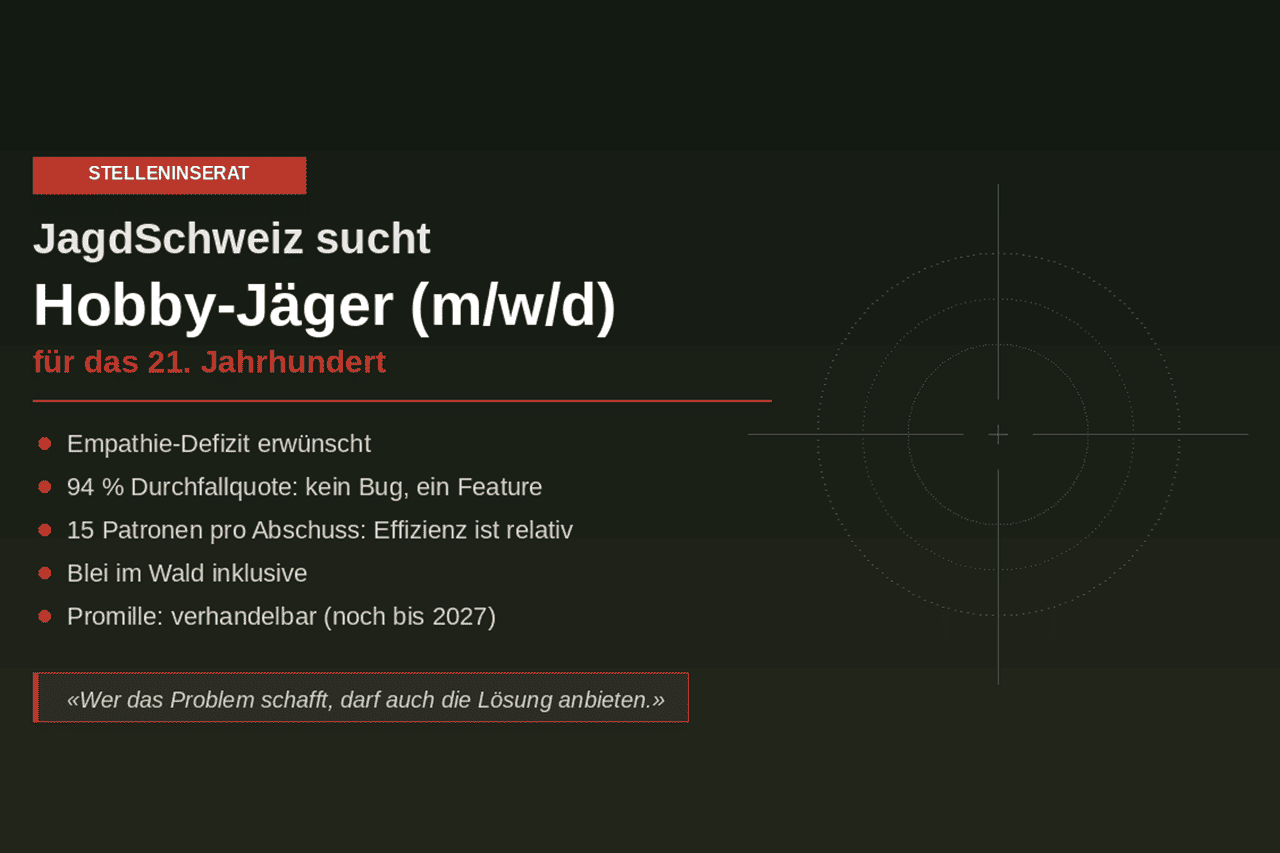
Many recreational hunters view foxes as a threat and competitors for prey. A full-blown smear campaign is currently being waged against them, and the rules governing recreational hunting are being relaxed in many countries — on the grounds that foxes pose a danger to threatened ground-nesting birds such as the skylark and lapwing. In reality, foxes feed primarily on mice. Population declines in the affected species are largely attributable to habitat loss and dwindling food supplies. On top of that, recreational hunters themselves kill more than 200’000 hares and other endangered species every year in Germany.
Since foxes are mainly active at night and highly intelligent, they are often caught using snap traps that are triggered by the animal through a mechanism and are supposed to kill them instantly — but this is frequently not the case. Many animals are seriously injured in the traps and die a slow and agonizing death.
Foxes are nature's health police
As nature's health police, foxes are an important link in the cycle of nature. They also help ensure the survival of their prey species by catching weak and sick animals, thereby eliminating sources of disease. More on the animal welfare problems of recreational hunting and why recreational hunting fails as a method of population control.
More on the subject of recreational hunting: In the dossier The Role and Criticism of Recreational Hunters we shed light on the training, power and self-image of recreational hunters. What the research says about this is shown by Hunting fact-checked: the state of research.
The position of IG Wild beim Wild: IG Wild beim Wild rejects recreational hunting. Our model is the canton of Geneva, which has managed without recreational hunting since 1974: without hunting seasons, without hunting dogs, without driven hunts, without high seats, without the animal cruelty and crime that go hand in hand with hunting season elsewhere. What has worked there for over fifty years disproves every position paper by JagdSchweiz. An association that bases its policy on claims it refutes in its own documents is not a professional organisation, but a factory for misinformation.