Snakes are wild animals
Snakes are wild animals protected under species conservation law. They must not be touched, disturbed, or relocated. Anyone who encounters one should make their presence known, giving the snake the opportunity to flee. If it remains in place, one can calmly walk past it at a distance of approximately two metres.


Fascinating reptiles
Snakes are wild animals and belong to the class of reptiles.
As temperatures rise, snakes and other reptiles emerge from their hiding places. Native species such as the grass snake and the dice snake are commonly found near bodies of water. This regularly leads to call-outs by reptile and venomous animal specialists from the cantonal police.
Reptiles can be found in a wide variety of habitats across the globe, including deserts, forests, grasslands, and even seas. Snakes have undergone a fascinating evolutionary journey that has enabled them to adapt to diverse environments.
Snakes often exhibit pronounced hunting behaviour. Some species hunt by actively pursuing their prey, while others wait passively and strike in a surprise attack. This behaviour can be both fascinating and unsettling, as snakes are often capable of striking with lightning speed to catch their prey.
Some snake species are venomous and use their venom to immobilise prey or to defend themselves against potential threats. It is important to treat snakes with respect and caution, as interaction with venomous snakes can be dangerous. However, there are also many non-venomous snake species that play an important role in their respective ecosystems by controlling pests and maintaining ecological balance.
Snakes in their natural habitat
To protect and conserve snakes, it is important to respect and preserve their natural habitats. Wildlife should not be captured or kept as pets, as this could contribute to their extinction. It is also important to be aware that in some regions there are legal provisions governing the protection of snakes.
Snakes are fascinating creatures that captivate many people while also being capable of triggering fear. If you encounter a snake, it is best to keep a safe distance and observe it without disturbing or provoking it. If you see a snake in the wild, you should remain calm and allow it to continue on its way.
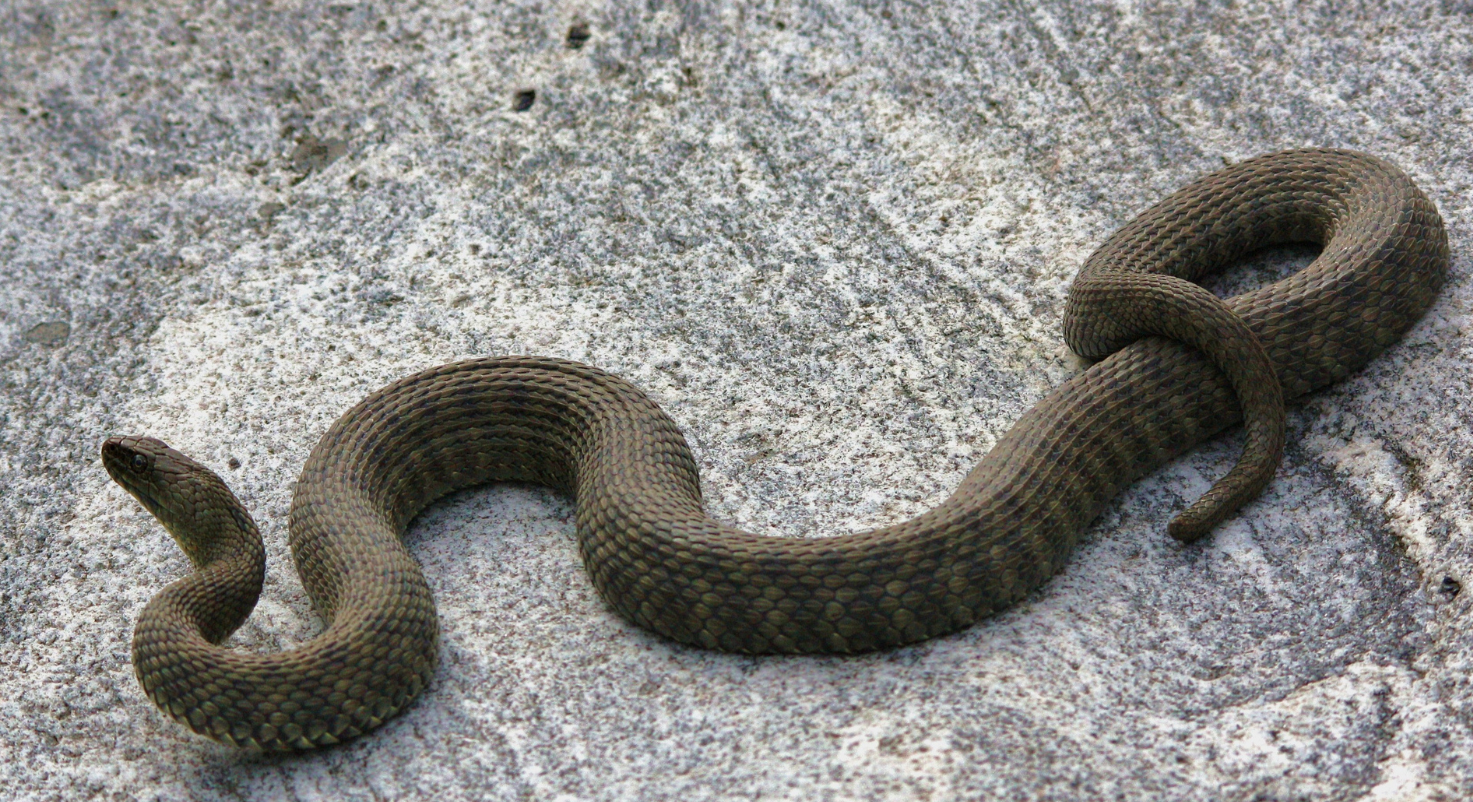
It is also important to note that snakes play a vital role in the ecosystem. They help maintain the balance of natural food chains. By feeding on mice, rats, and other small animals, snakes can help reduce damage caused by agricultural pests.
There are many different species of snakes in the world, from small, non-venomous garter snakes to enormous, dangerous pythons. Interest in snakes has led to a wide variety of research and conservation programmes aimed at protecting and preserving these fascinating creatures.
In some cultures, snakes are also regarded as symbols of wisdom, transformation, and healing. They can play an important role in myths, legends, and religions.
Overall, snakes are fascinating creatures whose way of life and behaviour still have much to teach us. It is important to treat them with respect and leave them in their natural environment in order to preserve their role in the ecosystem. More on the topic of species conservation and biodiversity.
| You can help all animals and our planet with compassion. Choose empathy on your plate and in your glass. Go vegan. |
More on the subject of recreational hunting: What the research says about this is shown by Hunting fact-checked: the state of research.
The position of IG Wild beim Wild: IG Wild beim Wild rejects recreational hunting. Our model is the canton of Geneva, which has managed without recreational hunting since 1974: without hunting seasons, without hunting dogs, without driven hunts, without high seats, without the animal cruelty and crime that go hand in hand with hunting season elsewhere. What has worked there for over fifty years disproves every position paper by JagdSchweiz. An association that bases its policy on claims it refutes in its own documents is not a professional organisation, but a factory for misinformation.