Swiss Lynxes in Great Danger
It is urgently necessary to refresh the lynx population in Switzerland with new blood. Genetic diversity is insufficient. There is therefore a desire to release lynxes, but no suitable animals are available.

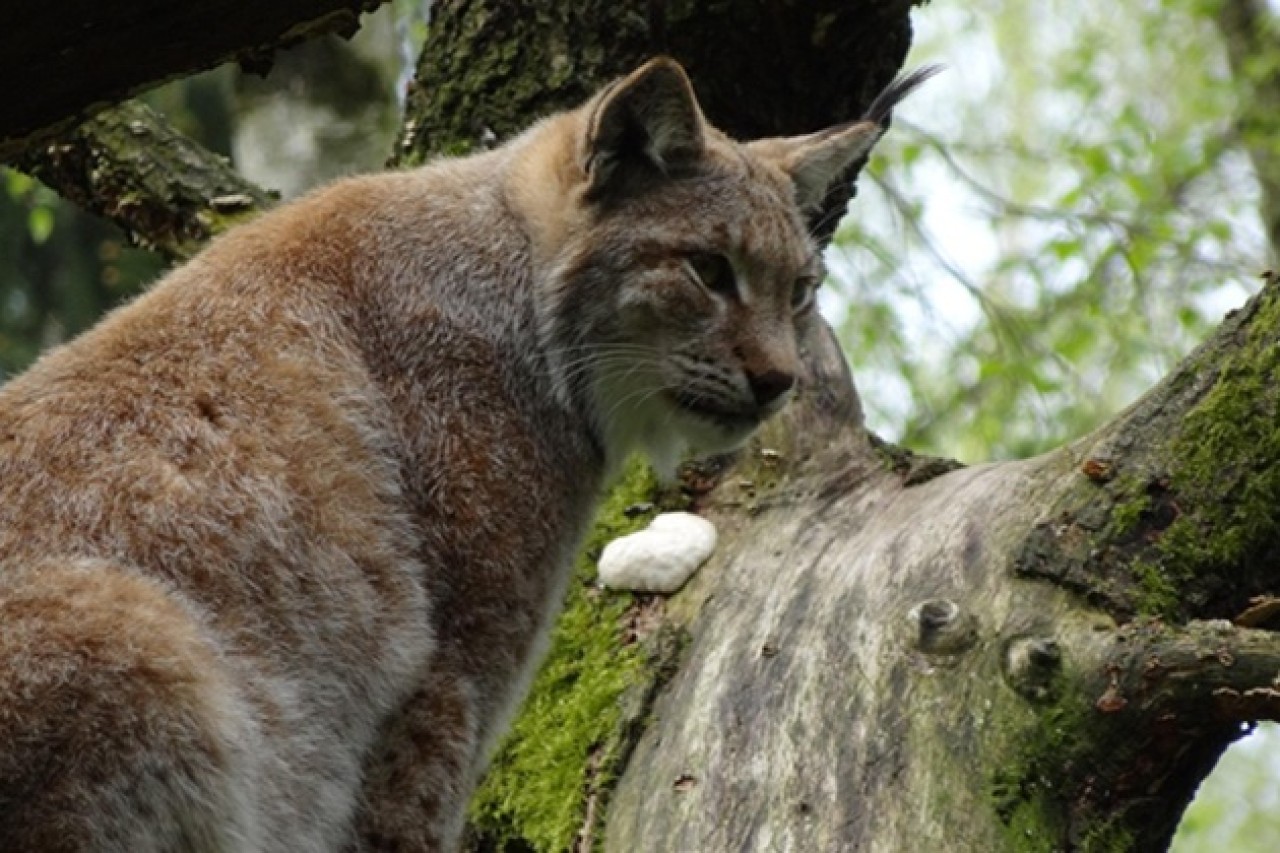
In past centuries, the Eurasian lynx was heavily persecuted and in many places entirely eradicated.
In Europe, it survived only in small numbers in remote regions, such as in Scandinavia, the Carpathians and the Balkans. Since 1962, the lynx has been protected in Switzerland under the Hunting Act.
On 23 April 1971, a pair of lynxes was released in the canton of Obwalden, in the federal wildlife sanctuary “Hutstock” in the Melchtal.
The lynxes were wild-caught animals from the Slovak Carpathians, brought to Switzerland via Ostrava Zoo and Basel Zoo. The reintroduction of the lynx was based on a Federal Council decision of 18 August 1967 and, at the request of the then cantonal forester Leo Lienert, the approval of the Obwalden government.
The first release in the Melchtal marked the beginning of further official and unofficial releases in the Swiss Alpine region and the Jura. Local lynx populations became established in the Northwestern Alps and the Jura in the decades that followed.
Two thirds of the lynxes live in the Alps, one third in the Jura. To strengthen the Alpine population, several individuals were successfully relocated from the Jura and the Northwestern Alps to northeastern Switzerland between 2001 and 2008. Today, only around 300 lynxes live in Switzerland, all descended from approximately 20 individuals. Both the Alpine population and the Jura population in Switzerland are therefore considered to be severely endangered. The gene pool of the species is far too small and thus extremely fragile.
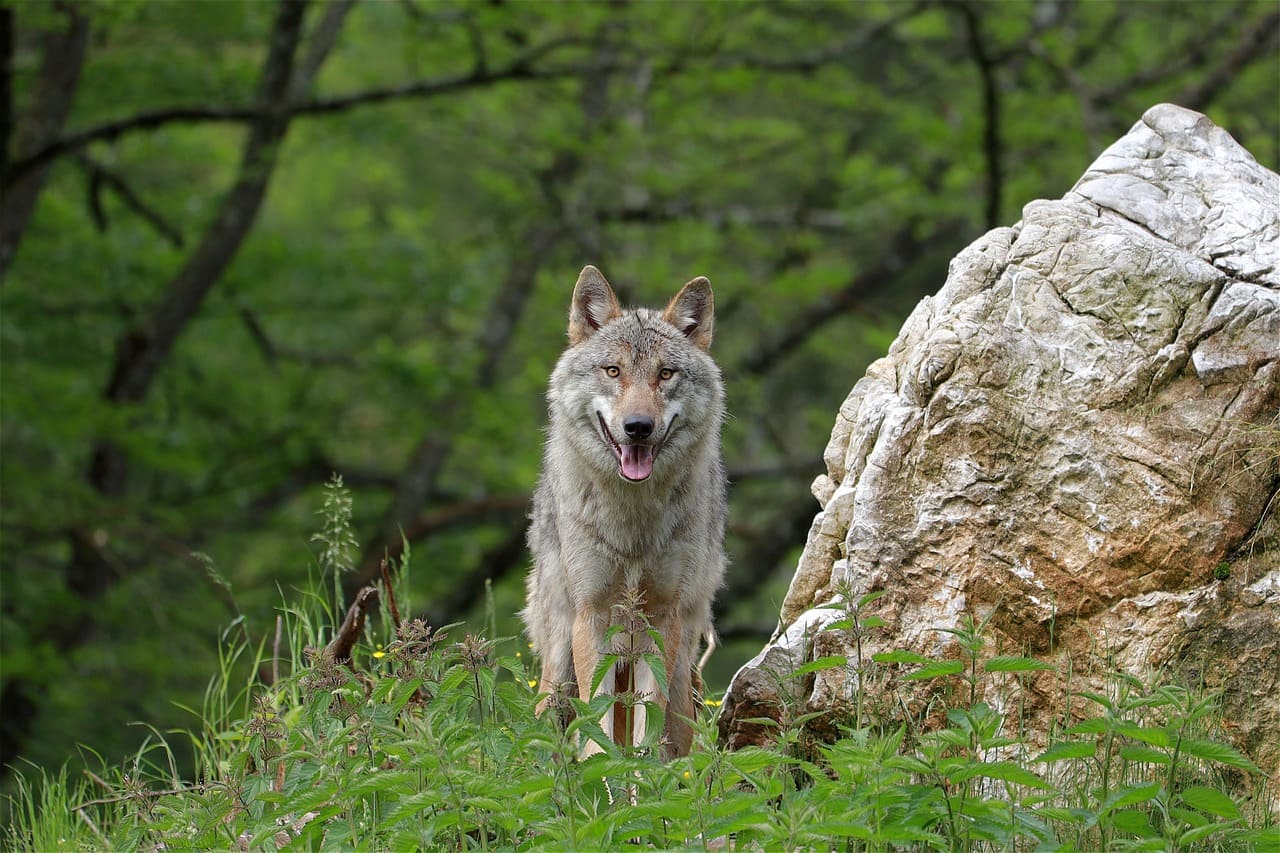
As a predator of small even-toed ungulates such as roe deer and chamois, the lynx plays an important role in our ecosystem. Together with the wolf, it sits at the very top of the food chain and fills an ecological niche occupied by no other animal in Western Europe.
Amid a global crisis leading to a widespread collapse of biodiversity, wolves and lynxes are considered by conservationists to help keep the species they hunt healthy by preying on weak or sick animals and reducing the spread of diseases such as Lyme disease. They keep populations of roe deer, wild boar, and other ungulates in check and on the move, giving plants and shrubs that might otherwise be eaten a chance to grow. Their presence is celebrated by environmentalists as a sign of hope for the recovery of nature.
If too many even-toed ungulates inhabit a forest area, the forest has little chance of regenerating. By regulating ungulate populations, lynx and wolf promote the natural regeneration of the forest. Structurally diverse forests stocked with old and young trees provide habitat for a wide variety of animals. They also protect us from natural hazards and offer us an attractive recreational space.
Today, Switzerland is home to the only contiguous, significant lynx populations in the Alpine region. Switzerland therefore bears a particular responsibility across Europe for the conservation and protection of this species.
As the genetic diversity of the species declines, the lynx population in Switzerland is not secure in the long term. It is essential that lynx populations be connected with one another to enable an exchange within the gene pool.
To strengthen the genetic foundation, several measures could be considered:
- Translocation: The targeted introduction of lynxes from other, genetically more diverse populations could help increase genetic diversity. It is important that these animals come from regions that are ecologically compatible in order to ensure reproductive success.
- Breeding programs: The establishment of captive breeding programs can help raise suitable animals for later release. These programs could specifically focus on genetic diversity.
- Habitat protection: The conservation and protection of natural habitat for lynxes must also be a priority. An intact habitat not only supports the existing population but also provides space for newly introduced animals.
- Public relations and support: Raising public awareness of the importance of genetic diversity and the protection of the lynx from hunting can help build support for conservation measures.
- Research: Further research is necessary to assess the current genetic status of lynx populations and to develop the best strategies for strengthening diversity.
Careful planning and implementation of these measures are crucial to stabilizing and securing the lynx population in Switzerland in the long term.
Lorenz Hess, Hunting President of Canton Bern
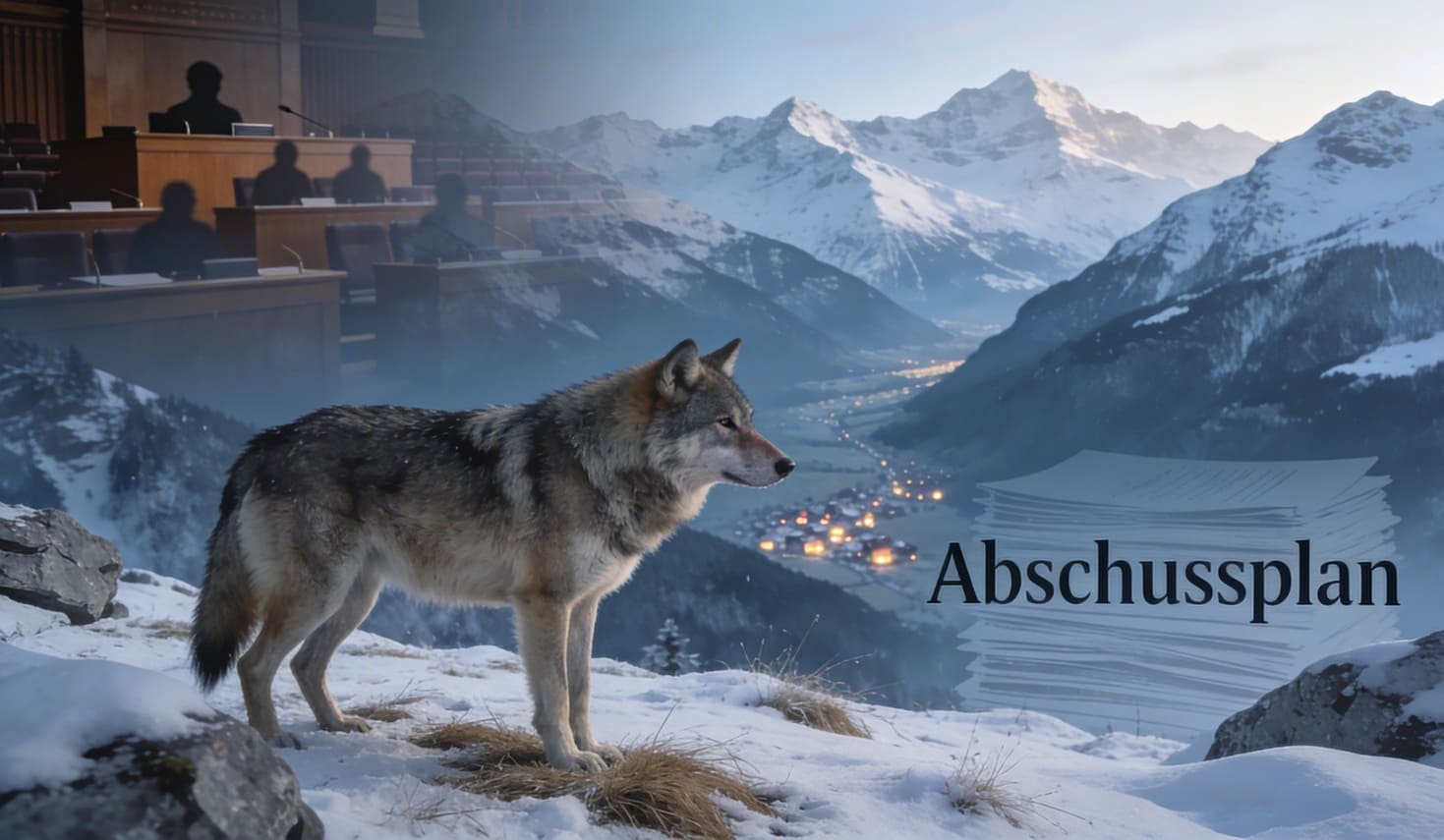
This also illustrates how fact-free and incompetent hobby hunters — and specifically the Hunting President of Bern — engage in politics. As early as 2020, the gun-waving, fox-flogging Lorenz Hess sought, during the parliamentary debate on the botched hunting law, to have the lynx added to the list of species that can be preventively regulated, alongside beaver, grey heron, and goosander. These wild animals could then have been shot without having caused any damage.
Where wildlife is hunted and family and social structures are destroyed, the natural population control within the biotope breaks down.
In the chaos in which nature finds itself after decades of stewardship and management by Swiss hobby hunters, the proportion of threatened species is, according to the United Nations, greater than in any other country in the world.
Amateur hunters have been creating an ecological imbalance in the cultivated landscape for decades, with sometimes dramatic consequences (protective forests, disease, agricultural damage, and much more).
For genuine wildlife stewardship, a handful of game wardens suffices, as the example of Geneva or entire countries with a hunting ban demonstrates. Wildlife would no longer serve as fairground targets for people with poor ethical standards and psychological problems.
In the view of IG Wild beim Wild, hobby hunters require annual medical-psychological fitness assessments modelled on the Dutch system, as well as a binding upper age limit. The largest age group among hobby hunters today is 65+. Within this group, age-related limitations such as declining visual acuity, slowed reaction times, reduced concentration, and cognitive deficits increase significantly from a statistical standpoint. At the same time, accident analyses show that the number of serious hunting accidents involving injuries and fatalities rises significantly from middle age onwards.
The regular reports of hunting accidents, fatal errors, and the misuse of hunting weapons highlight a structural problem. The private ownership and use of lethal firearms for recreational purposes largely evades continuous oversight. From the perspective of IG Wild beim Wild, this is no longer justifiable. A practice based on voluntary killing that simultaneously generates significant risks for humans and animals forfeits its social legitimacy.
Recreational hunting is also rooted in speciesism. Speciesism describes the systematic devaluation of non-human animals solely on the basis of their species membership. It is comparable to racism or sexism and can be justified neither culturally nor ethically. Tradition is no substitute for moral scrutiny.
Critical scrutiny is especially indispensable in the realm of hobby hunting. Few other fields are so thoroughly shaped by euphemistic narratives, half-truths, and deliberate disinformation. Where violence is normalized, narratives frequently serve as justification. Transparency, verifiable facts, and open public debate are therefore essential.