Rhubarb: Sweet-and-sour Temptation
Rhubarb is known for its sour flavour, which is often used in sweet cuisine. The domestic season for this vegetable begins in April.

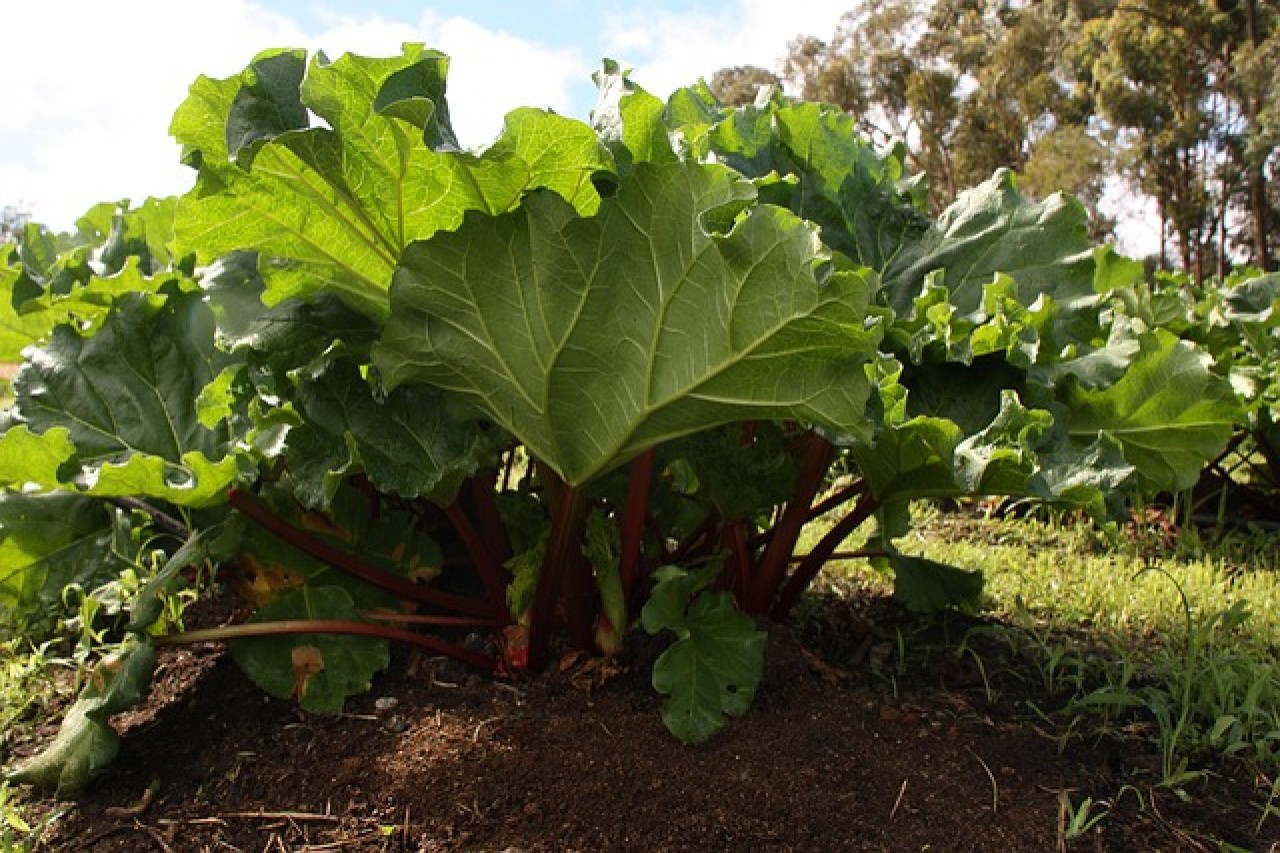
Rhubarb belongs to the knotweed family and is botanically classified as a vegetable.
The flavour of rhubarb is reminiscent of apple and lemon, and in terms of preparation it resembles fruit more closely: here, the tart rhubarb is eaten primarily sweetened in cakes, as compote, jam and gratin, or it is processed into juice. As a rule of thumb: the redder the red-green vegetable, the sweeter it tastes.
Simple Preparation
Rhubarb is very easy to prepare: the stalks are cut into pieces and simmered with a little sugar for approximately 10 minutes. Fibrous and very tough stalks should be peeled beforehand, or the hard strings removed with a knife. Once cooked, rhubarb is easy to process further and can be frozen. This way, even in winter, you have a generous source of vitamins A and C as well as potassium.
The leaves must not be eaten, as they contain toxic oxalic acid. Because of the oxalic acid, it is generally advisable to avoid consuming rhubarb raw.
Herbaceous Medicine with Plant Protection Effect
Rhubarb originally comes from the Himalayan region. Today, this vigorous-growing vegetable is available during the season from April to June, either from one's own garden or from domestic cultivation. The cultivated area in Switzerland in 2022 was just over 100 hectares. More on Environmental and Nature Conservation.
The name rhubarb comes from Latin and means roughly foreign or alien (barbarus) root (rheum). As a low-calorie vegetable, rhubarb is not only a sweet temptation but can also serve as a plant protection agent. Rhubarb broth, for example, is effective against blight and can repel aphids. In addition, rhubarb, known for its digestive properties, was already used as a medicinal remedy in China 4’800 years ago.