Contraceptives Instead of Culling in Wildlife Management
Birth control is being tested as a humane method to curb the growing numbers of grey squirrels, pigeons, and wild boar.

The invention of the contraceptive pill ushered in the sexual revolution of the 1960s.
Today, scientists are attempting to revolutionise wildlife control by involving the animals themselves in the process.
In England and other parts of Europe, trials are currently underway to administer contraceptives to pigeons, wild boar, and grey squirrels. Scientists also propose other rodents, invasive parakeets, and deer as additional target species.
As the damage caused by invasive and pest species increases, researchers are attempting to fill specially designed feeders and bait boxes with hazelnut spreads and grains laced with contraceptives. They believe this could be a more humane and effective method of controlling populations that were previously poisoned or hunted.
The goal is to find “creative solutions,” says Dr. Giovanna Massei of the University of York. “The key message is that the economic and ecological impacts of wildlife are increasing worldwide and we are running out of options,” she says. “Traditional methods such as hunting are ineffective, can be inhumane, unsustainable and environmentally harmful, and are facing growing public opposition.”
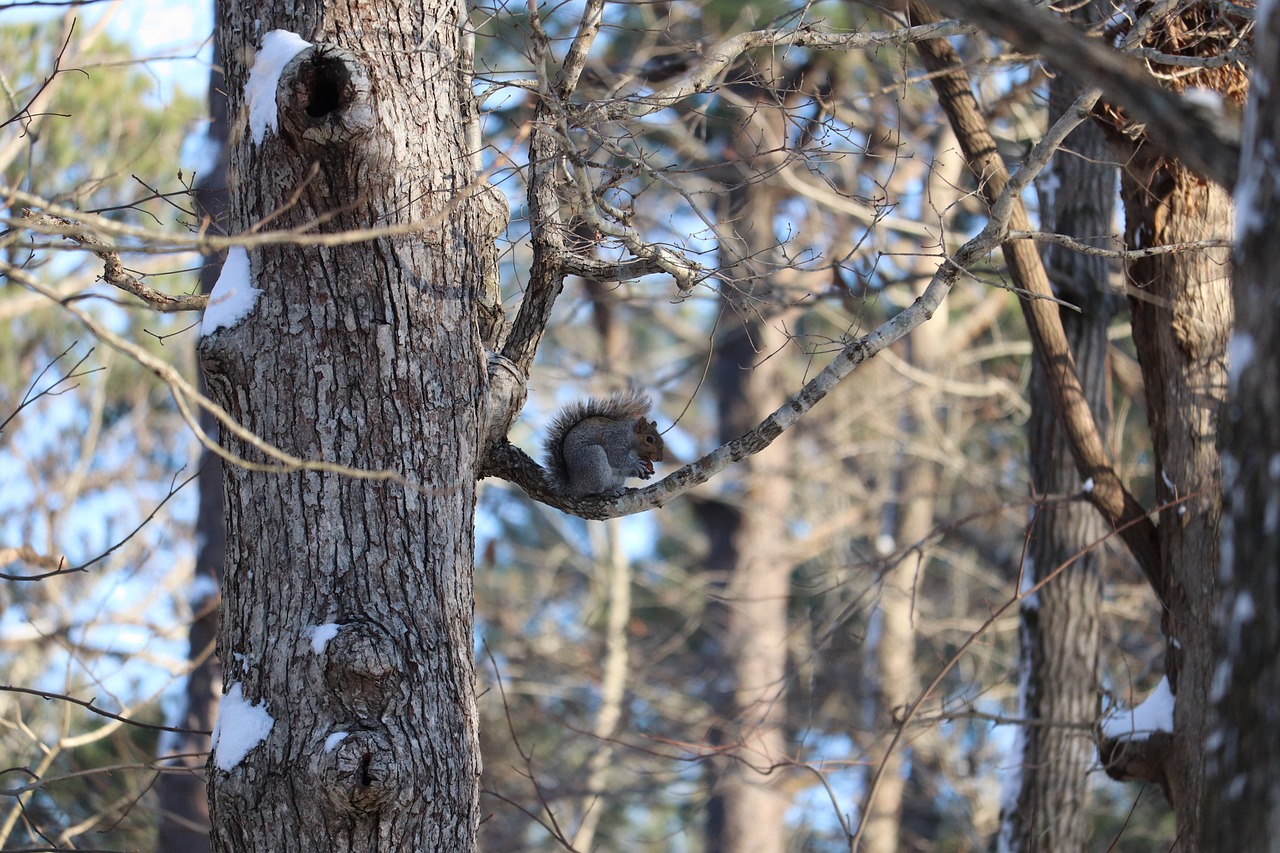
Grey squirrels are a particular problem for England. These non-native animals were first introduced from the United States in the 19th century as ornamental animals for manor houses. However, they have spread widely, leading to the local extinction of native red squirrels and damage to forests through bark stripping. The species is estimated to cost England and Wales £37 million annually in lost timber. According to a survey by the Royal Forestry Society, grey squirrels are considered a greater threat to broadleaved trees than deer and pathogens.
In Great Britain, trials are underway to administer oral contraceptives hidden in hazelnut spread to squirrels. Specially weighted feeders are used that only grey squirrels can open (red squirrels are lighter, so the trap does not open for them). Preliminary results suggest that the method works.
Pigeons could be fed a "breakfast" of corn kernels containing the contraceptive every morning, said Dr. Marco Pellizzari, a veterinary consultant. "They really love getting it … it's quite simple," he says.
In London, the non-native parakeets could also be among the recipients, but that would mean asking residents who regularly feed the parakeets in their gardens to give them food containing contraceptives.
Next week, the first workshop on fertility control in wildlife will take place at the University of York, where experts and researchers involved in the trials will discuss how contraceptives can be administered to pest species — that is, animals considered harmful to humans, agriculture, or their natural habitat.
Across continental Europe and Scandinavia, wild boar numbers have increased rapidly; the rise is said to be attributable to milder winters. Some consider them pests because they root up farmland, eat rubbish, and cause traffic accidents. According to Italian farming associations, the wild boar population has doubled from 500’000 in 2010 to one million in 2020.
In Germany and France, over half a million animals are shot every year, yet the numbers are rising and the number of people who want to hunt them is declining. Massei says hunting is “obviously not a way to control some of these animals.”
A pilot programme is currently under way testing the administration of contraceptives using devices that only wild boar can lift with their rooting snouts. The feeder works, but the oral contraceptive has not yet been developed.
Many countries now ban the use of rodenticides, as these affect other animals, including birds of prey that have died from consuming poisoned carcasses. The chemicals are also considered inhumane, as animals can suffer for several days after ingesting anticoagulants before dying.
Nevertheless, rodents pose a significant threat to agriculture and transmit diseases to livestock. “We don’t have many alternatives to lethal control. This is where fertility control could be a great way to get on top of these things,” says Belmain.
Wild horses in the United States are already receiving contraceptives, as are African elephants outside Kruger National Park, which are administered injections. The only contraceptive approved in Europe is nicarbazin, which may only be used on pigeons in a small number of countries such as Italy, Spain, Belgium and Austria.
There is concern that using products based on synthetic hormones could release oestrogenic chemicals into the environment, with potentially negative consequences such as the feminisation of male fish. It is also unknown what effect it would have on a bird of prey if it consumed a rodent that had ingested a contraceptive. “We really need to understand these things as part of this regulatory process,” says Belmain.