Wolf Pack Regulation: BAFU Approves and Rejects
When it comes to regulating wolf packs, the BAFU approves one request and rejects another. The differing decisions are sparking debate.

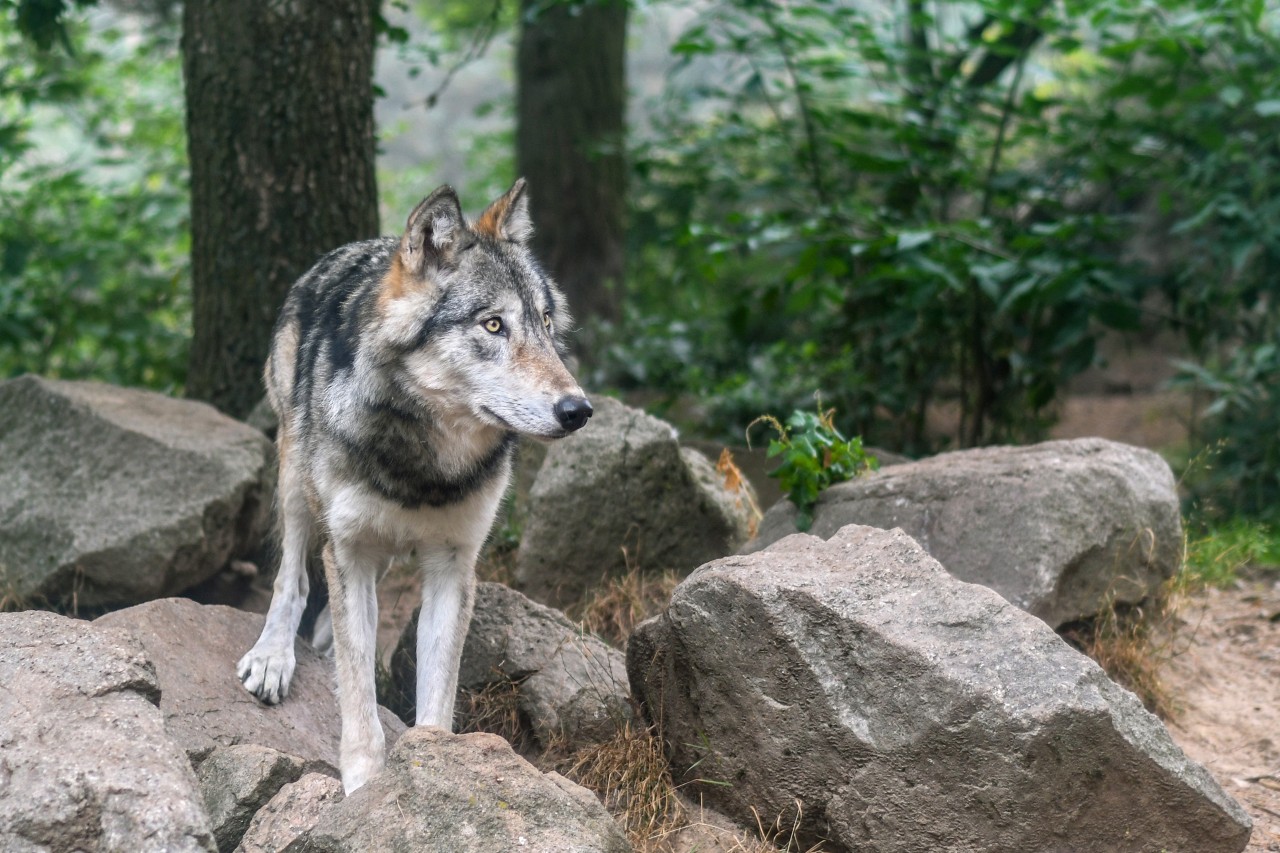
The Federal Office for the Environment BAFU approves the canton of Graubünden's application for the culling of two young wolves from the Moesola pack.
The BAFU rejects the canton of Valais's application to regulate the wolf pack in the Val d'Hérens, citing insufficient livestock protection measures.
On 13 September 2022, the canton of Graubünden submitted an application to the BAFU for the regulation of the wolf pack in Moesola, following the recording of significant damage. By culling two young wolves, the canton aims to bring about a change in the pack's behaviour.
On 28 September 2022, the BAFU approved this application. The canton of Graubünden may now issue a culling order. This order must be limited to 31 March 2023. The cullings must take place in the vicinity of livestock herds and in the presence of multiple wolves in order to achieve a behavioural change in the pack. The BAFU also recommends that the canton review, by next year, the management of the alpine pasture where the extensive damage occurred, as well as the options for livestock protection measures.
Rejection of the Canton of Valais's Application Concerning the Wolf Pack in the Val d'Hérens
On 19 August 2022, with supplementary documents submitted on 2 September 2022 and 14 September 2022, the canton of Valais submitted an application to the BAFU for the culling of three young wolves from the wolf pack in the Val d'Hérens, citing significant damage as justification.
The BAFU rejected this application on 28 September 2022. The canton of Valais is therefore not permitted to issue a culling order. The reason for the rejection is insufficiently documented and implemented livestock protection measures on the affected sheep alpine pastures.
More on the subject of recreational hunting: The scientific evidence is presented in the overview Studies on the Effects of Recreational Hunting.
The position of IG Wild beim Wild: IG Wild beim Wild rejects recreational hunting. Our model is the canton of Geneva, which has managed without recreational hunting since 1974: without hunting seasons, without hunting dogs, without driven hunts, without high seats, without the animal cruelty and crime that go hand in hand with hunting season elsewhere. What has worked there for over fifty years disproves every position paper by JagdSchweiz. An association that bases its policy on claims it refutes in its own documents is not a professional organisation, but a factory for misinformation.