Atlantic Bluefin Tuna: From Collapse to Comeback
Two decades ago, the Atlantic bluefin tuna in the Mediterranean and Atlantic was on the verge of collapse. Driven by booming demand for sushi and sashimi, industrial fishing fleets pushed stocks to the brink of destruction.

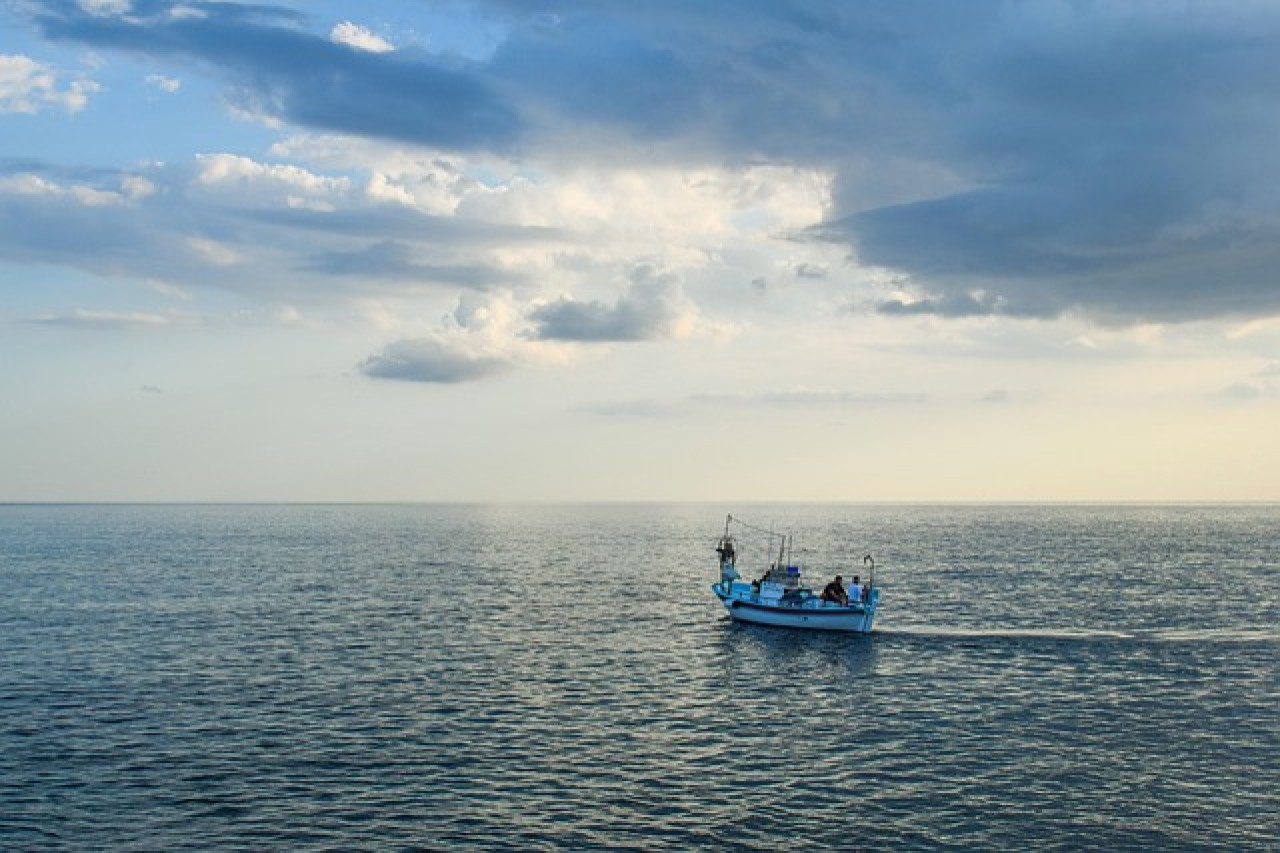
Without effective controls, fishing was rampant — large and small fish alike, often illegally, often without any regard whatsoever.
Scientists issued warnings, and environmental activists took to the streets. Pressure on policymakers and the fishing industry grew.
In 2007, the tide turned. The International Commission for the Conservation of Atlantic Tunas (ICCAT) enforced a strict recovery plan: drastic catch quotas, reduced fleets, shortened seasons, and international oversight. Catch volumes plummeted from around 60’000 tonnes to 10’000 tonnes. What felt like a shock proved to be a rescue: stocks recovered faster than experts had dared to hope.
Today, the Atlantic bluefin tuna is regarded as a success story. At Sète, France’s most important fishing port, every fish is weighed, labelled, and fully traceable. Large fishing vessels are at sea for only a few weeks per year. Fishers accept the strict rules — in part because quotas have since begun to rise again, securing sustainable yields.
In parallel, scientists are closely monitoring developments: electronic tags are used to track migrations, while aircraft are deployed to count tuna schools at the surface. The figures speak for themselves: whereas barely 60 schools per season were recorded in the 2000s, today there are sometimes more than 300 per flight.
Yet the success remains fragile. Since 2020, the recovery appears to have stalled. And experts warn: illegal fishing is returning in some areas. Only consistent enforcement can prevent the mistakes of the past from being repeated.
For now, however, the Atlantic bluefin tuna stands as a prime example of how science, politics, the fishing industry, and the environmental movement can work together to save a threatened species — a ray of hope for ocean conservation.
| You can help all animals and our planet through compassion. Choose empathy on your plate and in your glass. Go vegan. |
More on the subject of recreational hunting: The scientific evidence is presented in the overview Studies on the Effects of Recreational Hunting.
The position of IG Wild beim Wild: IG Wild beim Wild rejects recreational hunting. Our model is the canton of Geneva, which has managed without recreational hunting since 1974: without hunting seasons, without hunting dogs, without driven hunts, without high seats, without the animal cruelty and crime that go hand in hand with hunting season elsewhere. What has worked there for over fifty years disproves every position paper by JagdSchweiz. An association that bases its policy on claims it refutes in its own documents is not a professional organisation, but a factory for misinformation.