Protected Animals on Jacket Collars
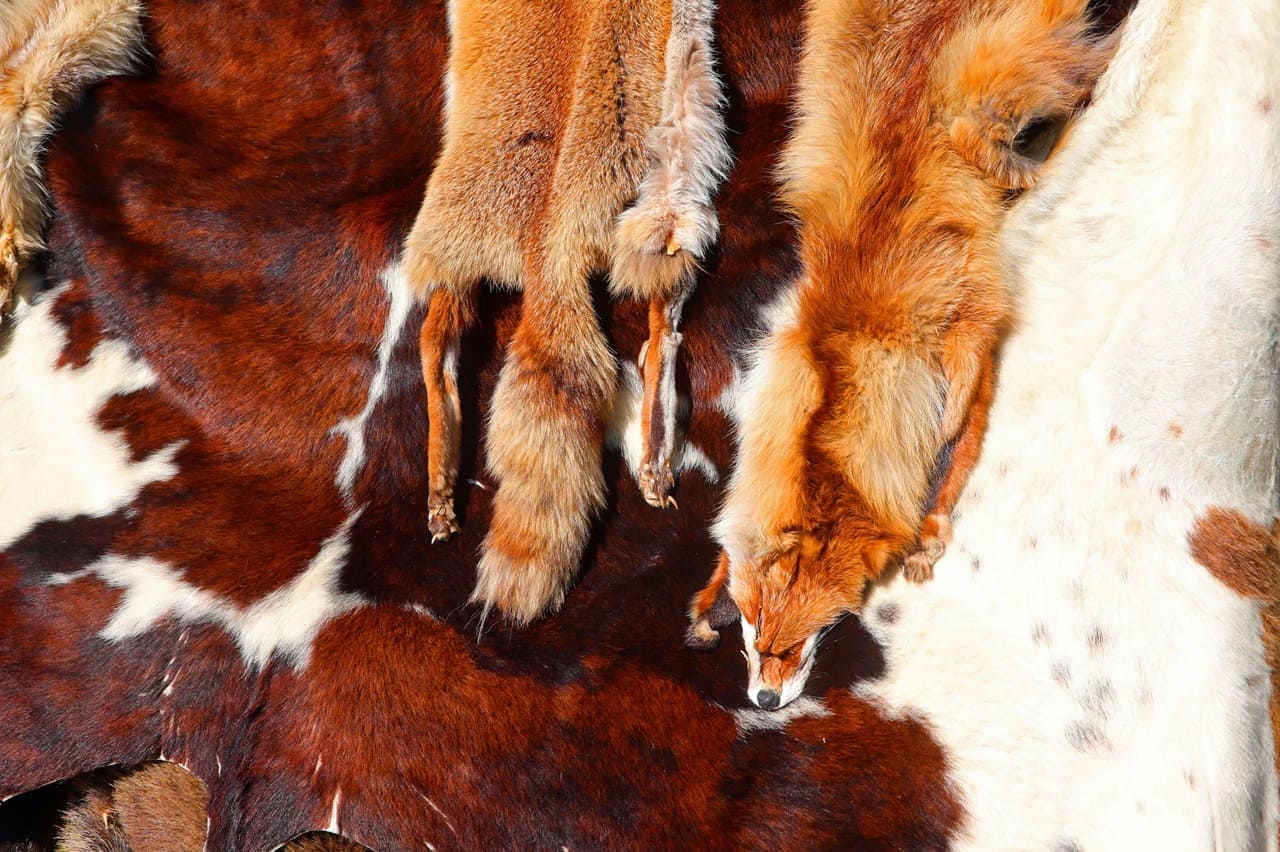
15 percent of furs traded come from the wild. Among them are hundreds of thousands of pelts from protected species imported by the EU alone over the past ten years. From the Patagonian fox to the bobcat, the pelts of numerous protected animals end up on jacket collars or cuffs. The EU is one of the main markets for furs from trap hunting.


15 percent of furs traded come from the wild. Among them are hundreds of thousands of pelts from protected species imported by the EU alone over the past ten years. From the Patagonian fox to the bobcat, the pelts of numerous protected animals end up on jacket collars.
In the period from 2008 to 2017, the EU imported, among other things, nearly 200’000 pelts of protected foxes, almost 110’000 hides of bobcats, more than 56’000 hides of North American river otters, and 340’000 hides of peccaries.
EU as a Major Market
«It is alarming how many animals are trapped from the wild for the fur trade. The EU plays a decisive role in this,» explains Dr. Sandra Altherr of Pro Wildlife. Canada alone sells a total of 750’000 raw furs from trap hunting annually.
Cruel Trap Hunting
Trap hunting employs snap traps, neck snares, and leg-hold traps. The traps are also highly non-selective: up to 75 percent of animals caught are unwanted bycatch.
«Above all, predators such as coyotes, foxes and lynxes are caught — animals that actually help maintain a stable ecosystem,» says Altherr. «Anyone who buys a jacket with a coyote-fur collar or a hat with a raccoon pompom is financing endless suffering of wildlife.»
More on animal rights.
More on the subject of recreational hunting: In our dossiers on the criticism of recreational hunting gather fact-checks, analyses and background reports. The scientific evidence is presented in the overview Studies on the Effects of Recreational Hunting.
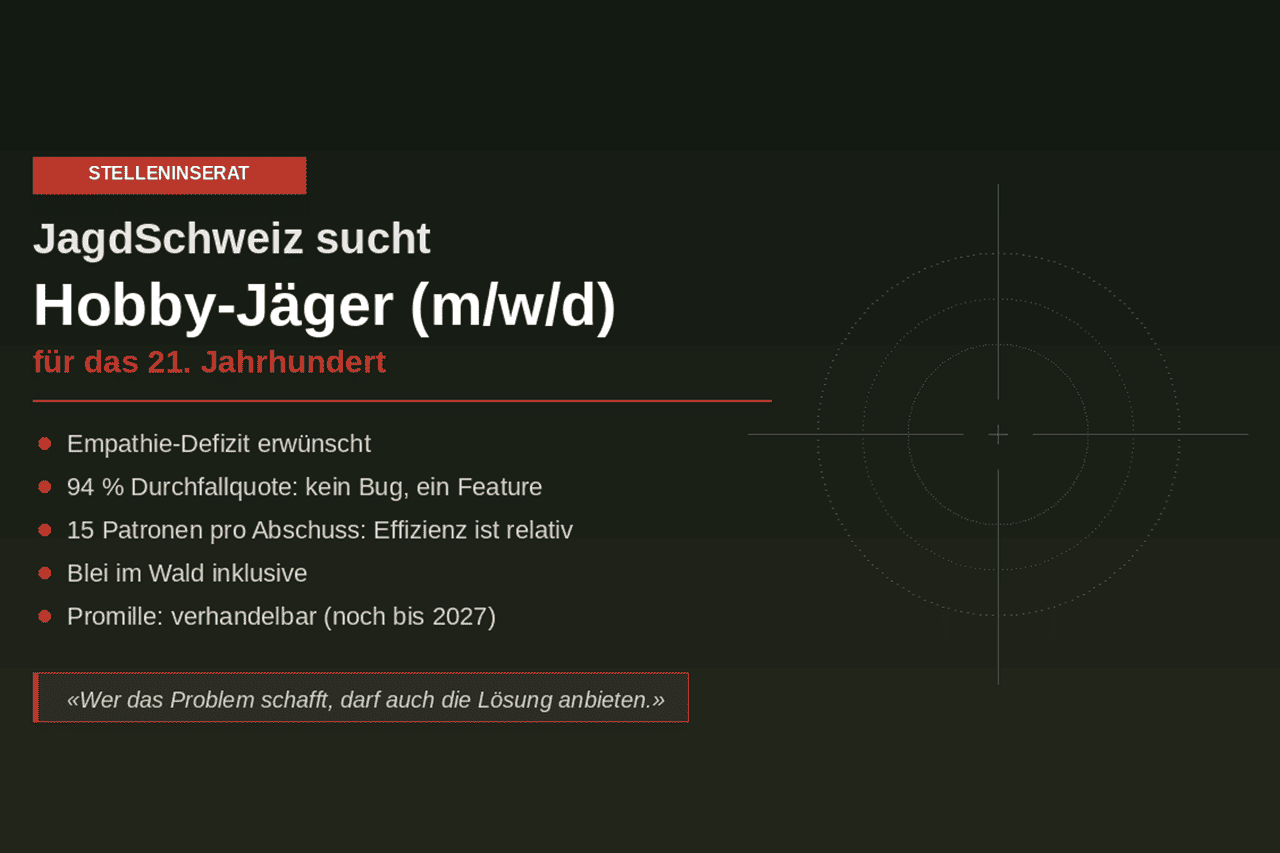
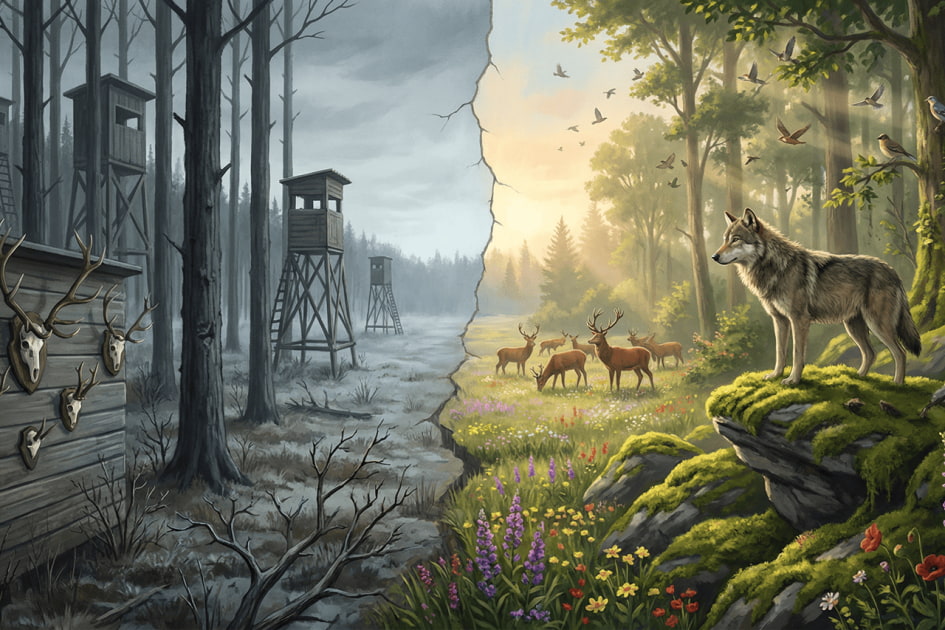
The position of IG Wild beim Wild: IG Wild beim Wild rejects recreational hunting. Our model is the canton of Geneva, which has managed without recreational hunting since 1974: without hunting seasons, without hunting dogs, without driven hunts, without high seats, without the animal cruelty and crime that go hand in hand with hunting season elsewhere. What has worked there for over fifty years disproves every position paper by JagdSchweiz. An association that bases its policy on claims it refutes in its own documents is not a professional organisation, but a factory for misinformation.