Panda Breeding: Profit, Prestige and Politics
Berlin Zoo plans to present the panda cubs born in August to the public for the first time on October 16.

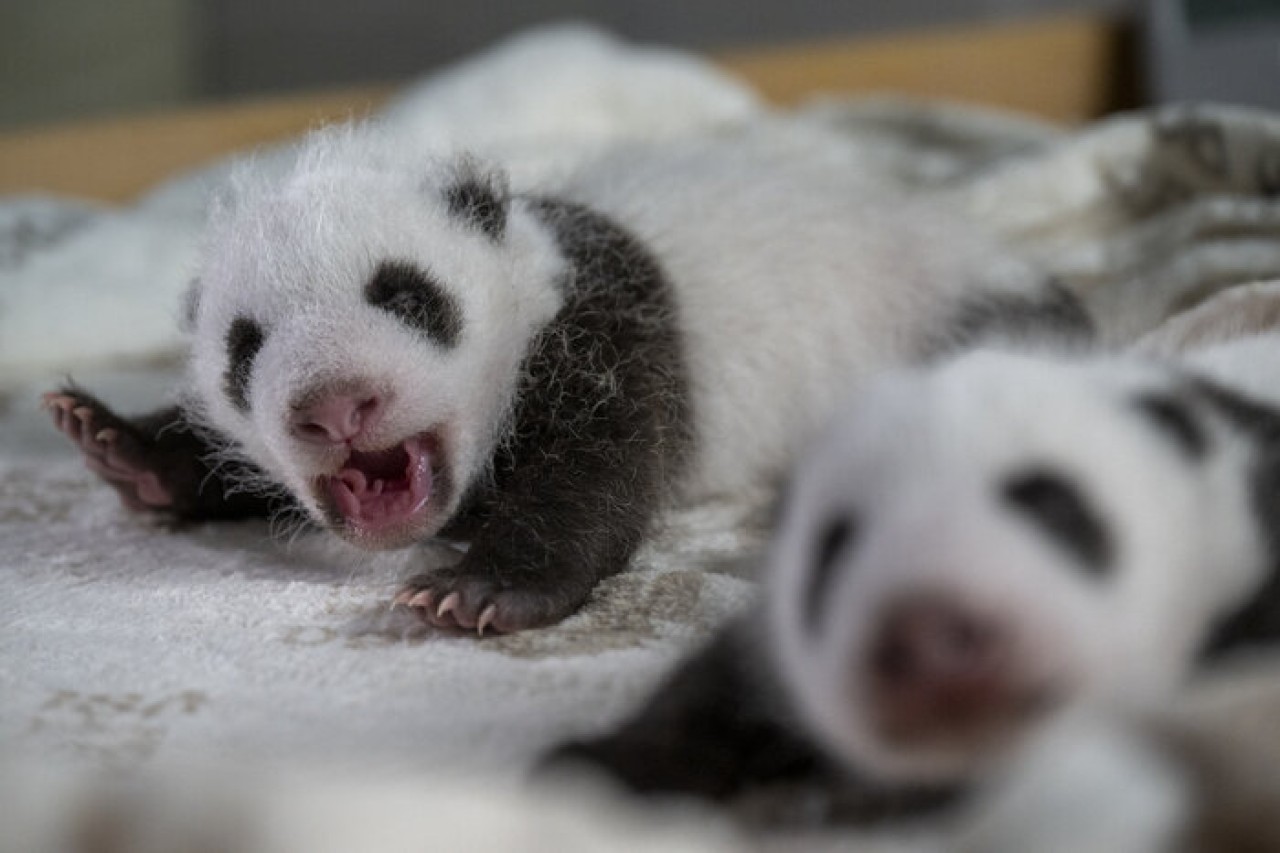
From the perspective of the animal and species conservation organisation Pro Wildlife, the keeping of giant pandas serves primarily the zoo's profit and China's panda diplomacy — but not species conservation.
Expert Laura Zodrow of Pro Wildlife explains: “The keeping and breeding of loan pandas in Western zoos is not a contribution to species conservation, but a business from which many profit.”
China's Panda Diplomacy
Since the summer of 2017, two giant pandas have once again been on display at Berlin Zoo: Jiao Qing and Meng Meng. Like all zoo pandas worldwide, the animals are on loan from China, for which Berlin Zoo pays around one million euros per year in loan fees. An investment intended to pay off for Berlin Zoo, as pandas — and even more so their offspring — are true crowd-pullers. Berlin Zoo currently offers one-hour panda tours at a price of 460 euros. The Chinese government decides which foreign zoos receive pandas on loan. Only countries with which China cooperates economically or politically are granted giant pandas. During diplomatic crises, animals have also been returned. Cubs born abroad generally remain the property of China and must be returned to the People's Republic.
Breeding at Any Cost
Because pandas rarely reproduce naturally in captivity, this is frequently forced through artificial insemination. When the Berlin animals showed signs of readiness to mate, they were anesthetized and fertilization was carried out by a specially assembled team of experts in an operating room. In China, breeding stations have been producing pandas in artificial environments on an assembly-line basis for decades. And the panda enclosure at Zoo Berlin, despite construction costs of around 10 million euros, bears no resemblance to the natural habitat of the giant panda. "Breeding at any cost is neither compatible with animal welfare nor does it contribute to species conservation, because the offspring from zoos and breeding stations have never learned to survive in the wild. Furthermore, suitable areas for reintroduction are lacking in China. The Berlin pandas will never roam through China's last bamboo forests and contribute to the preservation of the wild population," said the Pro Wildlife spokesperson. In 2023, 728 pandas were living in captivity worldwide; only 12 animals have been reintroduced into the wild over the past 20 years.
No Contribution to Species Conservation
"These animals share nothing with their wild counterparts except their appearance. Moreover, the breeding success celebrated as species conservation obscures the real problem. Only if it proves possible to preserve the habitat and migration routes of the animals in China can giant pandas be saved from extinction. Otherwise, they will one day exist only as sad 'diplomats' living behind bars."
Further Articles
- Zoos cause more harm to animals than you may realize
- Justice for Zoo Animals
- Is It Time to Ban Zoos?
- Finland: Zoo wants to send giant pandas back to China due to maintenance costs
- The keeping of elephants in zoos must finally come to an end!
- Killing of surplus animals – zoos are failing at species conservation
More on the subject of recreational hunting: What the research says about this is shown by Hunting fact-checked: the state of research.
The position of IG Wild beim Wild: IG Wild beim Wild rejects recreational hunting. Our model is the canton of Geneva, which has managed without recreational hunting since 1974: without hunting seasons, without hunting dogs, without driven hunts, without high seats, without the animal cruelty and crime that go hand in hand with hunting season elsewhere. What has worked there for over fifty years disproves every position paper by JagdSchweiz. An association that bases its policy on claims it refutes in its own documents is not a professional organisation, but a factory for misinformation.