One in five bird species in Europe threatened
The common swift, the common snipe, and the rook are among the species newly classified as “critically endangered” in Europe.

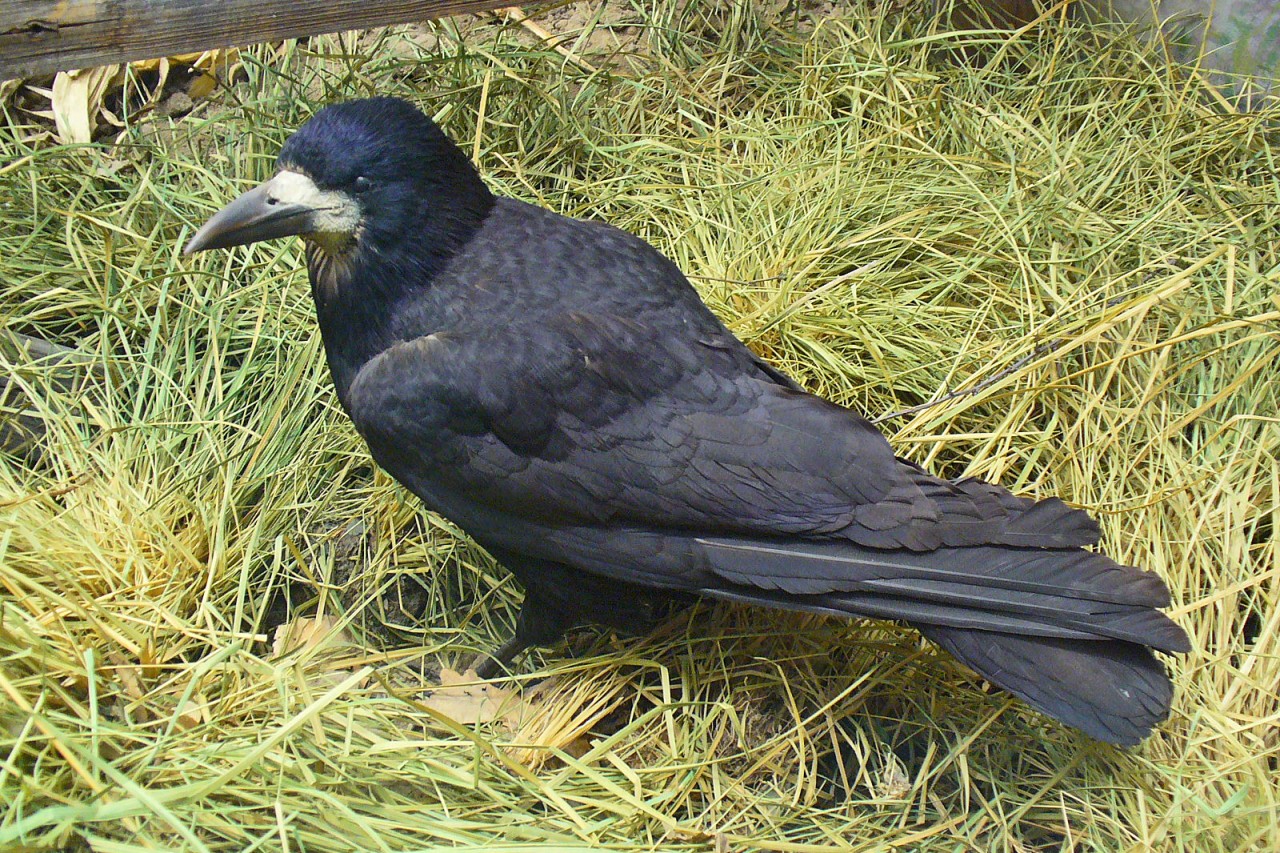
The common swift, the common snipe, and the rook are among the species sliding to “critically endangered” status in Europe.
One in five bird species at risk
This is the finding of the continent’s latest “Red List” report, which states that one in five bird species is now threatened.
From the Azores in the west to the Ural Mountains in the east, birds that were cornerstones of European ecosystems are disappearing, according to the analysis by BirdLife International, which is based on observations of 544 native bird species. Three species have become regionally extinct in Europe since the last report in 2015: Pallas’s sandgrouse, the common quail, and the corn bunting.
Overall, 30% of the species studied show declining populations. At the European level, 13% of birds are critically endangered and a further 6% are near threatened. “The results are alarming, but we are not surprised”, said Anna Staneva, interim head of conservation at BirdLife Europe and Central Asia.
Habitat loss and intensive agriculture
The loss of habitat, the intensification of agriculture, the overexploitation of resources, pollution, and unsustainable forestry practices are the causes of the decline, with the climate crisis an increasingly significant factor.
«These are large, wide-ranging threats that we describe as systemic threats, and they have a great deal to do with the way our society functions and how we use resources”, said Staneva. “It is a signal that something is going seriously wrong around us. We need to change the way we live — that is the core message of our findings.»
Staneva said it was a surprise that such well-known species are in serious trouble. “There are probably many things each of us can do in our daily lives to change the way we consume natural resources, but as active citizens, it is probably most important that we demand our politicians take action.»
Targeted measures are having an effect
But it's not all bad news. The recovery of the Eurasian bittern, the Azores bullfinch, and the griffon vulture shows that targeted species conservation measures can work. Certain birds of prey, such as the red kite, are faring better thanks to the ban on pesticides like DDT and legal protection from persecution.
Martin Harper, Regional Director of BirdLife Europe and Central Asia, said he hoped the report would serve as a catalyst for more people and organisations to take action to protect Europe's birds. «Governments across Europe must translate the new global ambition to restore nature into legally binding targets, supported by the right policies and funding.»
The report's recommendations include the creation of a larger and better-managed network of protected areas, in line with the UN goal of protecting 30% of land by 2030. Carbon-rich landscapes such as peatlands, grasslands, and forests should be prioritised for protection. A key recommendation is to end perverse subsidies that harm nature and to transition to an agricultural policy that supports wildlife-friendly farming.
More on the subject of recreational hunting: In our dossiers on recreational hunting gather fact-checks, analyses and background reports. The scientific evidence is presented in the overview Studies on the Effects of Recreational Hunting.
The position of IG Wild beim Wild: IG Wild beim Wild rejects recreational hunting. Our model is the canton of Geneva, which has managed without recreational hunting since 1974: without hunting seasons, without hunting dogs, without driven hunts, without high seats, without the animal cruelty and crime that go hand in hand with hunting season elsewhere. What has worked there for over fifty years disproves every position paper by JagdSchweiz. An association that bases its policy on claims it refutes in its own documents is not a professional organisation, but a factory for misinformation.