Office of Hunting and Lies: Overhunted Populations in Graubünden
If there were fewer problem hunters harbouring a mindset of exploiting nature, more ordinary people could once again devote themselves to the idea of nature conservation — people who care for species with respect, decency, and fairness, and who do not slaughter wildlife for fun.

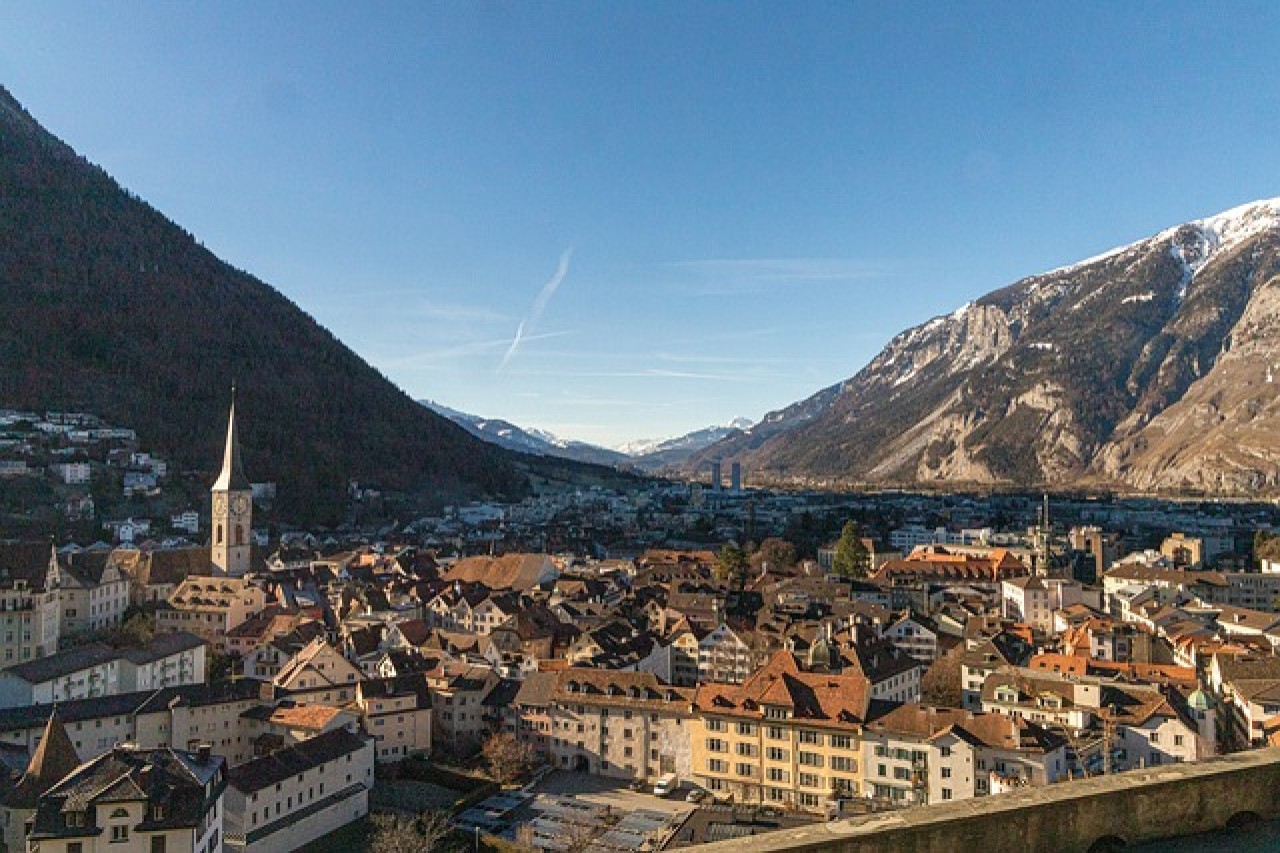
The most inglorious hunting event in Switzerland is still not over.
Just a few days ago, the Office of Hunting and Lies in Graubünden once again publicised the first statistics from the three-week high-altitude hunt (from 3 September). The two-week Valais high-altitude hunt began weeks later (from 21 September) and statistics were delivered promptly — it is almost hard to believe.
What is completely out of control in Graubünden with 5,509 high-altitude hunters appears to be better managed in Valais with 2,400. In Valais, for example, no special hunt was necessary in 2015, even though the two preceding winters there were allegedly mild as well.
A special hunt is, as the name suggests, a corrective measure. When a corrective measure becomes the norm, something is wrong with the science, wildlife biology, planning, and execution — and this has been the case in Graubünden at the Office of Hunting and Fisheries for 30 years.
As the saying goes, a fish rots from the head, and in Graubünden this must be severe. In Chur, popular initiatives are currently being drafted to drive out the stench of the dysfunctional hunts that the Office of Hunting and Fisheries Graubünden organises for recreational hunters. Carna Grischa was significantly quicker to distance itself from the meat scandal, despite the entanglements.
The placement of bait is now being generally prohibited in Graubünden and will be penalised with fines — this is one of the demands in a draft initiative. Recreational hunters will also be required to regularly take a shooting test.
Observation and Superstition
High bag numbers for red deer and roe deer, along with an average chamois hunt, are leaving Graubünden's hunters largely satisfied — though with significant regional differences. A special hunt to fulfill cull plans is necessary for red deer in almost all regions in order to limit damage to forests and agricultural crops and to prevent excessive animal mortality under harsher conditions; for roe deer, a special hunt is still required in around half of the regions. 2,923 hunters have registered for the special hunt.
AJF Graubünden 2015
Year after year, the public is somehow fed a fabricated story. Hunters pretend to be something they are not at all.
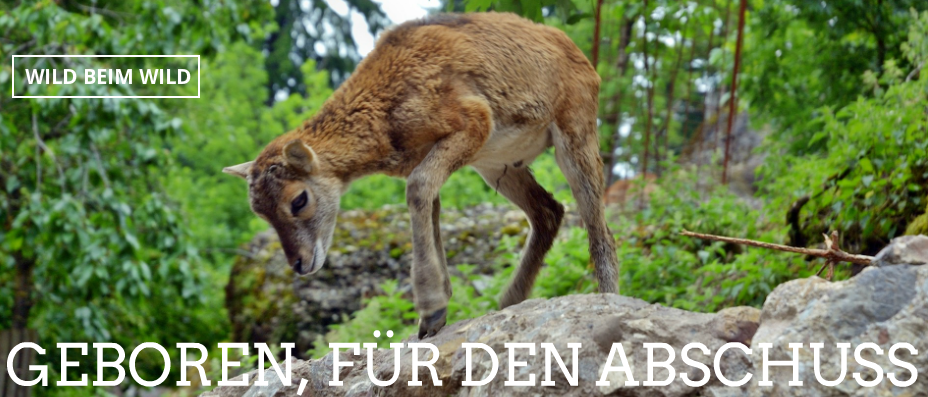
The special hunt is always also an unethical and barbaric massacre of wild animals. Pregnant and nursing hinds, as well as roe does and their young — entire social structures — are shot down without mercy, as if in a blood frenzy. Shooting nursing mother animals away from their young is shabby and despicable. You truly cannot speak of craftsmanship, wildlife biology, or science here — it is simply hunting — animal cruelty. And the hunting pressure of the preceding months bears its share of responsibility for this as well. There will never be any excuse for destroying a newborn life in this way, or for preventing mother animals from raising their young without harassment and mortal fear. Hunters thereby position their image right alongside that of the Islamic State. Graubünden hunting is simply criminal. It is just that our legal system has not yet advanced to the point of recognizing this in criminal law.
On close observation, one recognizes that the hunter's soul is something devious. Hunting is not an honorable craft. There are no standards, ethics, sound science, or rules in hunting that hold up to social norms — not even within the hunting community itself — and certainly not to animal welfare arguments. If hunters were to bake bread for society, one would use liquid manure and another would use sewage water, and both would sell it as bread. Recreational hunters do as they please and maintain a cult-like set of customs. Those who are not satisfied with their own existence go hunting. Graubünden hunters criticize earth hunting as animal cruelty, while Valais hunters revel in trophy hunting on the ibex, Obwalden hunters find high seats unsportsmanlike, Glarus hunters are not considered hunters in Graubünden, the contamination of the environment and wildlife with hunters' ammunition is deemed a sacrifice for the ecosystem — while conservationists protest against it, or among German recreational hunters it is frowned upon to shoot roe deer with shotgun pellets, whereas Swiss hunters find it amusing, etc.
Hunting is always a form of war against living beings, in which the negative traits in humans come to life.
In the deer factory of Graubünden in Switzerland alone, 1,007 (995, 964) on-the-spot fines were issued in 2014 for violations of hunting legislation and 95 (127, 125) reports were filed with the district offices. Practically every fifth hunter among the 5,804 (5,946) was a delinquent, with a large number of unreported cases in the annual cycle (statistics 2015).
2023 – ff: Publications
2022: The number of on-the-spot fines issued and reports filed was within the usual range.
2021: The number of on-the-spot fines issued and reports filed was within the usual range.
2020: 1241 Reports and fines
2019: 1,104 Reports and fines
2018: 1114 Reports and fines
2017: 1384 Reports and fines
2016: 1201 Reports and fines
2015: 1298 Reports and fines
2014: 1102 Reports and fines
2013: 1122 Reports and fines
2012: 1,089 reports and fines
On 30 June 2015, the cantonal office in Graubünden issued the following press release: «Extraordinarily high wildlife population in Graubünden». There we have the main hunting season along with special hunts, and yet warning notices as if in wartime civil defence. Accompanied by the usual platitudes such as:
The special hunt aims to adjust wildlife populations to their winter habitats while simultaneously avoiding a deterioration of the animals' condition. This implements the most important management measure, namely the adjustment of population size to the carrying capacity of the habitat. – AJF Graubünden 2015
Populations have not been genuinely regulated for decades — they have been decimated while birth rates are being stimulated. A consequence of current methods is that, for example, roe deer and red deer become even more shy and shift their daily activity patterns entirely into the night. This leads to numerous traffic accidents.
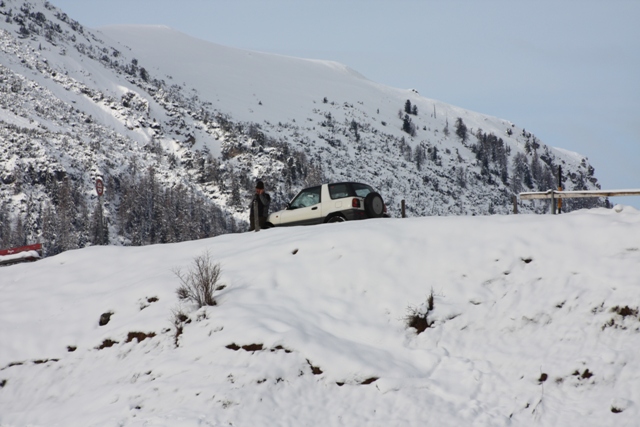
Unprofessional sniping is the management measure. That mobile phones may now officially be used during stalks as part of the traditional cultural heritage «hunting» was long considered science fiction. As early as 2010, the association Wildtierschutz Schweiz documented how wild animals were being chased through valleys and up mountains in wintry conditions, snow and cold, with the help of cars and mobile phones. There is no sign of a mild winter.
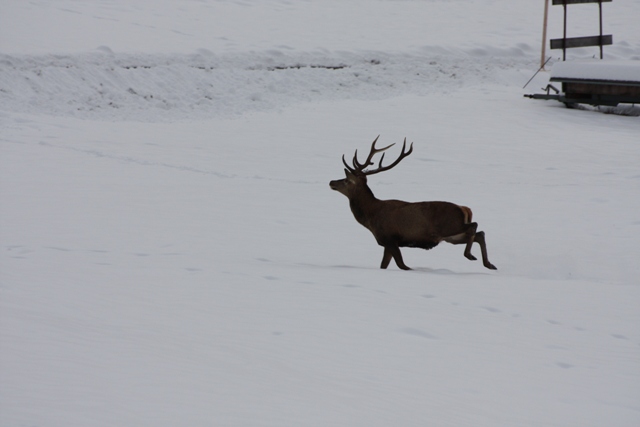




Just as it is ethically wrong to decimate one wildlife species in order to protect another, the massacring of animals cannot be right after artificially breeding unnaturally high populations for hunting over decades — and then justifying this with excuses about excessive animal mortality under harsher conditions and so on. This amounts to a declaration of bankruptcy in terms of ethical and moral social norms. That is no understanding of nature. Hunters also do not know which animals would survive natural selection, such as winter hardship.
For roe deer, the remaining necessary interventions focus primarily on correcting an imbalanced culling of male and female animals, in order to achieve an age and gender distribution that is as species-appropriate as possible. AJF Graubünden 2015
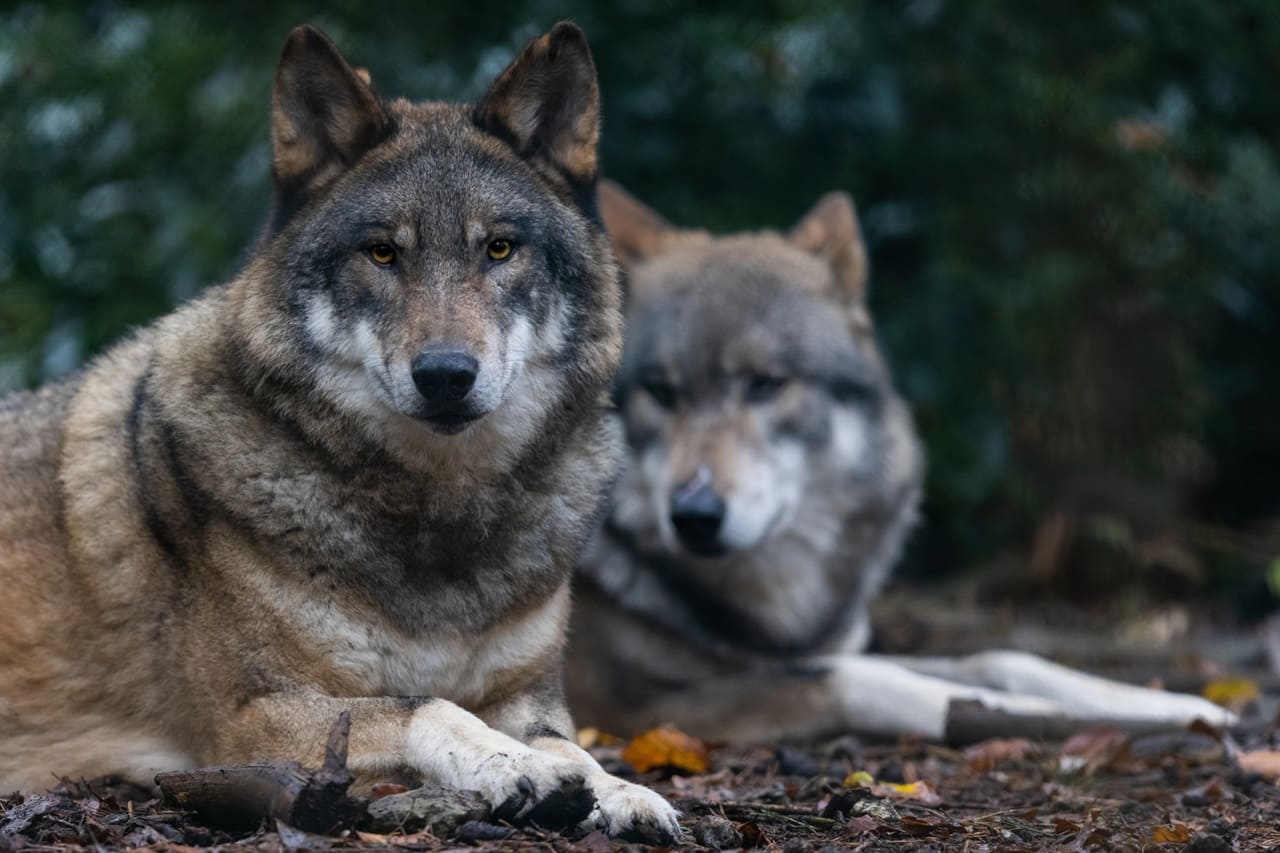
Wild animals belong first and foremost to the predators, not to the hunters — but wolves, lynx and the like are not really welcomed. Fallen wildlife is unwanted, and so is the fox, which would take care of that.Foxes are shot senselessly and randomly, as if in a frenzy. The regulation of wildlife populations is not based on natural wildlife biology, but on hunters’ tall tales. Protected species such as the brown hare, black grouse,ptarmigan and woodcock have no place on the list of huntable species either. Every hunting activity is a disturbance to the entire wildlife population.

Lowland hunting may not be necessary, but it is permitted. By the same logic, one might as well ask whether it makes sense to pick berries and mushrooms in the forest!
Robert Brunold, current president of the cantonal licensed hunters’ association
What can you expect from such problematic hunters, who cannot grasp the difference between a forest berry and a fox or songbird at heart? In today’s society, those who feel nothing when killing are considered seriously disturbed.
It is known today that in Graubünden and elsewhere, the primary concern is — much like a travel agency — organizing attractive hunts planned by the Office for Hunting and Fishing of Graubünden. The Office is increasingly degrading humans into bestial predators and wildlife into livestock and breeding animals. The number of violations of hunting legislation and the numerous reports filed with the district offices speak a clear language. Pilot trials are being launched as if in a large animal testing laboratory, wildlife sanctuaries and winter habitats are being massively disturbed, hunting rules are being suspended, and so on. Hunting fever has long since exceeded healthy limits. Wild hordes of trigger-happy recreational hunters storming the mountains for a trophy or meat, which according to the WHO can officially fall into the same category as the carcinogenic substances plutonium, asbestos, or arsenic.
Of course, protective forests must be preserved, capacities and habitats must be understood, and so on. But that is precisely what hunting has failed to achieve satisfactorily for decades. Hunting remains a negative influence on wildlife in our living environment and is not a service to the general public. The Office in Chur has recently also begun proclaiming that hunting increases the reproduction rate of red deer and roe deer — animal welfare advocates have been pointing this out for decades. Large parts of the population have long since lost any understanding for hunting activities, just as today’s “hunting” has long ceased to deserve the term hunting at all. One only needs to be able to understand the connections.
What hundreds of hunters in Geneva used to carry out in an equally inferior manner is today handled more exemplarily by 11 game wardens, alongside many other responsibilities. With more game wardens who intervene only therapeutically in cases involving foxes, lynx, wolves, birds of prey, and so on, Graubünden and the other cantons would also regain greater order, biodiversity, and protection against natural hazards. And taxpayers would likely be spared hundreds of millions of francs that the federal government, cantons, and municipalities pump into the maintenance of protective forests — in the very areas where problem hunters park and breed wildlife.
More on the subject of recreational hunting: In the dossier The Role and Criticism of Recreational Hunters we shed light on the training, power and self-image of recreational hunters. The scientific evidence is presented in the overview Studies on the Effects of Recreational Hunting.
The position of IG Wild beim Wild: IG Wild beim Wild rejects recreational hunting. Our model is the canton of Geneva, which has managed without recreational hunting since 1974: without hunting seasons, without hunting dogs, without driven hunts, without high seats, without the animal cruelty and crime that go hand in hand with hunting season elsewhere. What has worked there for over fifty years disproves every position paper by JagdSchweiz. An association that bases its policy on claims it refutes in its own documents is not a professional organisation, but a factory for misinformation.